


Babesiosis in Dogs - Symptoms, Course and Prevention
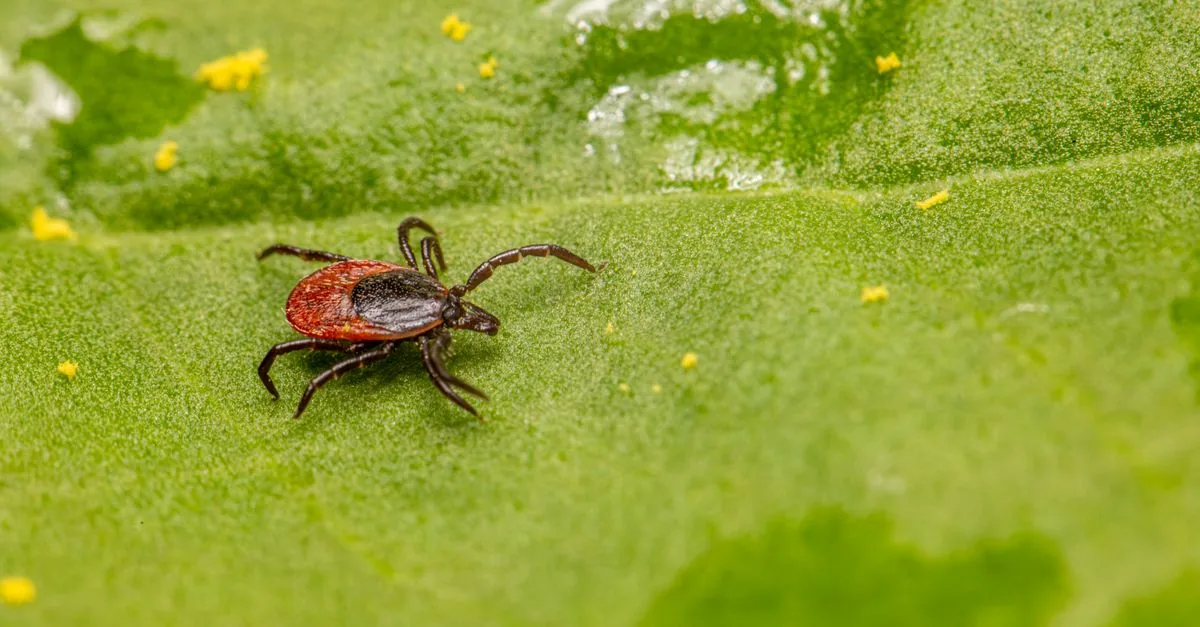
Babesiosis is a serious tick-borne disease caused by Babesia parasites, which destroy a dog's red blood cells. Typical signs are lethargy, loss of appetite, high fever, and characteristic dark, brownish-red urine. It can develop within a few days of a tick bite and, untreated, is often fatal. If you suspect babesiosis, get your dog to a vet immediately - this is an emergency, not something that can wait.
Babesiosis is one of the most serious things a tick can bring home from a walk. It develops fast, can strike a seemingly healthy dog within days, and, left untreated, is often fatal. The good news is that when caught early it usually responds well to treatment. Below we explain how to recognise babesiosis, how it progresses, and how to genuinely protect your dog - without scaremongering, but without playing it down either.
What babesiosis is and how infection happens
Babesiosis (also called piroplasmosis) is a parasitic disease caused by protozoa of the genus Babesia. These parasites invade a dog's red blood cells and destroy them, leading to anaemia and damage to internal organs.
Infection happens through the bite of a tick that carries the parasite. As the tick feeds on the dog, it passes Babesia along in its saliva. The risk rises the longer the tick stays attached - which is exactly why prompt removal matters so much.
Ticks are active from early spring to late autumn, and in mild winters practically year-round. Babesiosis is becoming more common, including in towns and cities, so it isn't a problem confined to forest or hunting dogs.
The risk rises in a few situations: on walks through tall grass, meadows, and undergrowth, at the peak of tick season (spring and autumn), and in dogs with no tick protection at all. The region matters too - in some areas a higher proportion of ticks carry the parasite. That doesn't mean a city dog is safe, though: ticks do very well in parks, on lawns, and along the paths you walk every day.
Symptoms of babesiosis in dogs
Symptoms usually appear a few days after the bite and can escalate very quickly. The most common warning signs:
| Symptom | What it means |
|---|---|
| Lethargy, weakness | The dog suddenly loses energy, won't play or get up |
| Loss of appetite | Refusing food, sometimes water too |
| High fever | Temperature often above 40 degrees C |
| Dark urine | Brown, red, or cola-coloured - red cells breaking down |
| Pale or yellowish gums | Anaemia and jaundice |
| Rapid breathing and heart rate | The body responding to anaemia |
| Vomiting, diarrhoea | Accompanying signs in more severe cases |
The most telling combination is dark urine together with lethargy and fever after a period of tick activity. If you see that pattern, don't wait - it's an emergency.
Bear in mind the course varies: from peracute, where a dog weakens within a day, to chronic, with less obvious signs. You won't always spot the tick - it may drop off before symptoms appear.
When to see a vet urgently
Babesiosis is an emergency. Get to the vet immediately if your dog - especially during tick season or after you've found a tick - shows any of the following:
- sudden lethargy and marked weakness,
- refusal to eat lasting more than a few hours,
- dark, brownish-red urine,
- pale or yellowed gums,
- high fever,
- rapid, shallow breathing.
Don't give any medication on your own and don't wait until morning. In babesiosis, time is everything - every hour of delay raises the risk of kidney failure, liver damage, and other complications. This article is here to help you recognise the danger, but diagnosis and treatment are always led by a vet.
Diagnosis and treatment
The vet diagnoses babesiosis based on symptoms, history (tick exposure), and tests. A blood test is key - the parasites can sometimes be seen in a blood smear under the microscope, and a full blood count reveals anaemia. Additional tests are used when the picture is unclear.
Treatment involves medication that targets the Babesia parasites plus supportive therapy: fluids, organ protection, and in severe cases even a blood transfusion. The specific products and doses are chosen by the vet alone - there's no room for home experiments here.
With prompt diagnosis the outlook is usually good, though a dog often needs several days to recover, and the kidneys and liver may need longer monitoring. The later treatment starts, the higher the risk of lasting complications.
Recovery and possible complications
Even after successful treatment, a dog needs time to get back to full strength. In the first days, avoid strenuous exercise, provide calm, a warm spot, and an easily digestible diet as advised by your vet. After a severe episode, the specialist may recommend follow-up blood and urine tests to check how the kidneys and liver are working.
It's worth knowing that babesiosis can be treacherous. In some dogs it leads to complications - kidney damage, clotting disorders, jaundice, or neurological problems, especially when treatment started late. Chronic courses and relapses also occur, so if your dog weakens again after recovery, loses appetite, or has recurring fever, take it back to the vet. Don't assume that because it was treated once, it's now completely safe.
Prevention - how to protect your dog from babesiosis
The best defence against babesiosis is preventing a tick bite altogether, or removing the tick quickly. The basics of effective protection:
- Anti-tick products - collars, spot-on drops, or tablets chosen by your vet, used consistently throughout the season.
- A check after every walk - go carefully through the coat, especially ears, neck, armpits, and groin.
- Prompt tick removal - the shorter a tick feeds, the lower the chance of parasite transmission. Remove it whole, with a dedicated tick hook or tweezers.
- Avoiding high-risk spots at peak season - tall grass and undergrowth are prime tick habitat.
You'll find more practical tips in our guides on ticks on dogs and tick prevention for dogs.
During tick season it also helps to know where to walk more sensibly. On the DOGOUT map you can check spots recommended by other owners and plan a route away from the most overgrown corners.
Summary - the key things to remember
Babesiosis is serious but, in most cases, treatable - provided you react quickly. Remember three things: consistent tick prevention works best, dark urine with lethargy and fever is an alarm signal, and at the first suspicion you go to the vet right away, not the next day. Your vigilance after every walk can genuinely save a dog's life.
Sources
- Babesiosis in Dogs - VCA Animal Hospitals
- Ticks in Dogs - VCA Animal Hospitals
- A Retrospective Epidemiological Analysis of Microscopically Detected Babesiosis in Dogs of Southern Poland (2018-2022) - Pathogens
- Update on prevalence of Babesia canis and Rickettsia spp. in Dermacentor reticulatus ticks in the area of Poland (2016-2018) - Scientific Reports
Frequently asked questions
- How soon after a tick bite does babesiosis appear?
- The first signs usually appear a few days after a bite from an infected tick, most often between day 3 and day 14. Sometimes the course is peracute and a dog weakens within 1-2 days. That's why it's worth watching your dog through and after tick season and acting on any lethargy or loss of appetite.
- What does urine look like with babesiosis in dogs?
- A classic sign is dark urine - brown, red, or the colour of strong tea or cola. It's the result of red blood cells breaking down and the kidneys excreting blood pigments. Dark urine in a dog after tick season always warrants an urgent vet visit.
- Is babesiosis in dogs curable?
- Yes - with prompt diagnosis and treatment, the outlook is usually good. The vet uses medication that targets the parasites plus supportive care. The problem is that untreated babesiosis quickly leads to organ failure and can be fatal, so every hour counts.
- Can a dog pass babesiosis to a person or other dogs?
- Babesiosis doesn't spread directly from dog to dog or from dog to human through ordinary contact - ticks are the carriers. There is, however, a risk of transmission via blood transfusion or, in puppies, from the mother. Humans have their own distinct Babesia species; canine babesiosis generally doesn't threaten the owner.
- Is there a vaccine for babesiosis?
- In some countries a vaccine is available, but it doesn't fully prevent infection - it only reduces the severity of the disease. The foundation of protection remains tick prevention: anti-tick products and regular coat checks. It's best to discuss the availability and value of vaccination with your vet.
- How do I protect my dog from babesiosis?
- The most effective approach is consistent tick prevention: collars, spot-on drops, or tablets chosen by your vet and used throughout the tick season. Check your dog after every walk and remove ticks as quickly as possible. The shorter a tick feeds, the lower the risk of it transmitting the parasite.