Dog Ear Infection - Symptoms, Causes and How to Prevent It
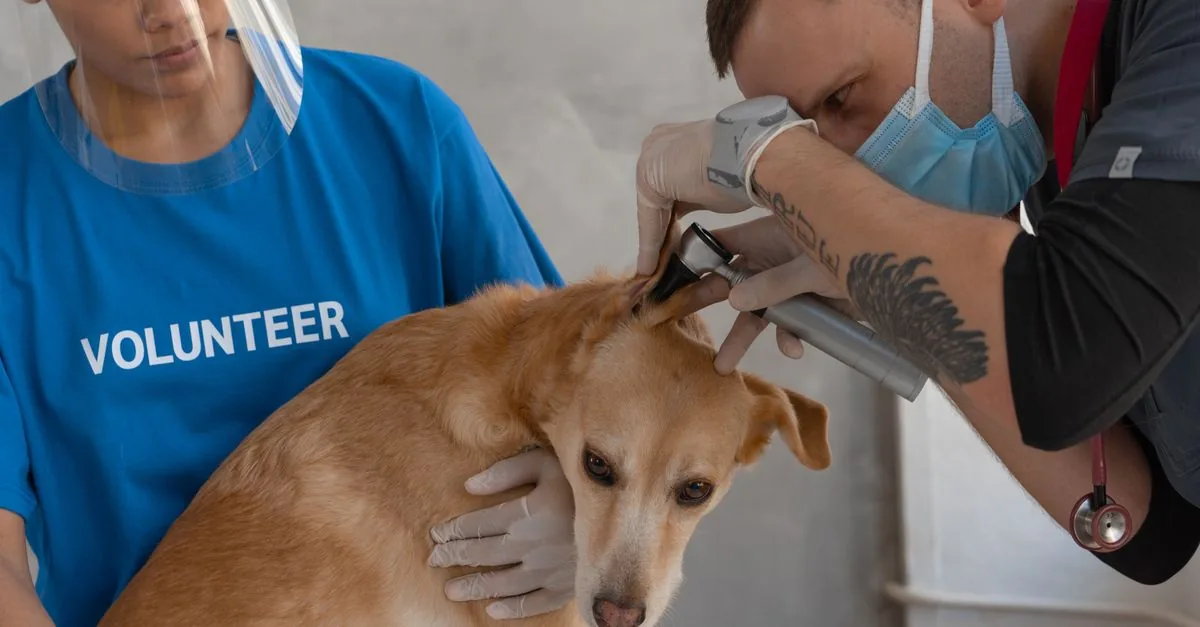
A dog ear infection (otitis externa) shows up as an overgrowth of yeast (usually Malassezia) or bacteria in the ear canal, but that overgrowth is normally the consequence of an underlying cause, most often an allergy. Signs include scratching at the ear, head shaking, a bad smell and dark or yellowish discharge. It will not clear up on its own - your vet needs to diagnose the cause and prescribe the right treatment. Regular, correct ear cleaning and drying after swims or baths significantly reduces the chance of it coming back.
Ear infections are among the most common reasons dogs visit the vet, and for many breeds they become a frustrating recurring problem. The good news: with the right habits, most recurrences are preventable. The key is knowing what to look for, caring for the ears correctly, and not waiting once something looks off.
Why do dogs get ear infections?
A dog's ear canal runs vertically downward and then bends horizontally toward the eardrum. This L-shaped design means heat and moisture get easily trapped inside - the ideal environment for yeast (mainly Malassezia pachydermatis) and bacteria (Staphylococcus, Pseudomonas and others) to take over. These organisms are part of normal skin flora; the problem starts when something upsets the balance.
The main risk factors:
- Floppy, pendulous ears - they reduce ventilation and hold in warmth and moisture.
- Lots of hair inside the ear canal - same trapping effect.
- Moisture after baths or swimming - water left in the canal is an open invitation to yeast.
- Allergies (food or environmental) - the most common underlying cause. Allergies are involved in as many as 43% of ear infection cases, and ear infections occur in 65% to 80% of dogs with food allergies. A recurring ear infection is often the first sign.
- Foreign bodies - grass seeds or foxtails can work deep into the canal.
- Hormonal conditions - such as hypothyroidism.
Breeds at particularly high risk include Cocker Spaniels, Basset Hounds, Beagles, Golden Retrievers, Labradors, Dachshunds and Poodles. That said, any breed can develop an ear infection, including those with upright ears.
What does a dog ear infection look like?
Your dog's behaviour is often the first clue. Key warning signs:
| Sign | What it may mean |
|---|---|
| Intense scratching at the ear or rubbing the head on furniture | Itching or pain inside the canal |
| Frequent head shaking | Trying to clear discharge or a foreign body |
| Tilting the head to one side | One-sided infection or pain |
| Dark brown or yellowish discharge | Yeast (dark brown) or bacteria (yellow/green) |
| Foul smell from the ear | Classic sign of both bacterial and yeast infection |
| Redness or swelling of the ear flap | Active inflammation in the canal |
| Pain when the ear area is touched | May signal a deeper infection |
A dog with an ear infection may also be irritable, go off its food, or avoid being touched near the affected ear. If you spot any of these signs - do not wait. Ear infections do not clear up by themselves, and the longer one goes untreated, the harder it becomes to resolve.
Types of ear infection in dogs
Vets distinguish three main types:
- Otitis externa - infection of the outer ear canal, from the ear flap to the eardrum. By far the most common.
- Otitis media - middle ear infection. Usually follows untreated otitis externa or a ruptured eardrum.
- Otitis interna - inner ear infection. Serious, with risks including hearing loss, loss of coordination, and facial nerve paralysis.
This is why catching and treating otitis externa early matters - it prevents the infection from travelling deeper.
Treatment - your vet must lead it
Dog ear infections must be assessed by a vet. They will examine the canal with an otoscope, take a swab for cytology, determine whether the cause is yeast, bacteria or a mix - and only then choose the right product. Treating without a diagnosis can give temporary relief while masking the real cause and setting the stage for chronic infection or antibiotic resistance.
Treatment typically involves:
- ear drops or ointment containing an antibiotic, antifungal, or anti-inflammatory agent (often a combination)
- oral medications in more severe cases
- professional flushing and cleaning of the ear canal at the clinic
If infections keep coming back, your vet may suggest allergy testing or hormonal screening to find and address the underlying cause.
How to prevent ear infections
Prevention makes the biggest difference, especially in predisposed breeds.
Regular ear cleaning is the foundation. We cover the full technique in our guide to cleaning your dog's ears. The short version:
- Use only vet-approved or vet-recommended ear cleaning solution.
- Never use cotton buds inside the canal - they can rupture the eardrum and push debris deeper.
- Squeeze the solution in, massage the base of the ear for about 30 seconds, let your dog shake, then wipe the visible part with a cotton pad or soft cloth.
- How often? Your vet decides - most healthy dogs need cleaning every 3-4 weeks; dogs that swim or have floppy ears may need it more frequently.
After every bath or swim, gently dry the outer ear flap. If your dog is a keen swimmer, ask your vet about a drying solution formulated for dogs to use after water activities.
Routine vet check-ups - catching the early signs of a problem is always easier and cheaper than treating an established infection.
Ear care is one part of looking after your dog's overall health. Staying on top of tick prevention and flea control matters too - both can affect skin and immune health, which in turn influences how often ear problems flare up.
Healthy ears mean a dog that actually enjoys the walk instead of rubbing its head against every fence post. Get out there - the DOGOUT map will show you dog-friendly spots near you where the whole pack can explore freely.
Sources
Frequently asked questions
- How do I know if my dog has an ear infection?
- Watch for repeated scratching at one or both ears, frequent head shaking, tilting the head to one side, a dark or yellowish discharge, and a foul smell coming from the ear. The inside of the ear flap may look red or swollen. Any of these signs is a reason to book a vet appointment promptly.
- Will a dog ear infection go away on its own?
- No. A bacterial or yeast infection needs the correct treatment - which means a proper diagnosis from a vet, often including a swab and cytology of the discharge. Treating without a diagnosis can mask the real cause, lead to chronic infection, or allow the infection to spread deeper into the ear.
- Which dog breeds are most prone to ear infections?
- Breeds with long, floppy ears are at highest risk: Cocker Spaniels, Basset Hounds, Beagles, Golden Retrievers, Labrador Retrievers, Dachshunds, and Poodles. Their ear flap reduces airflow and traps heat and moisture - perfect conditions for yeast and bacteria to multiply. Dogs with a lot of hair inside the ear canal also face higher risk.
- How should I clean my dog's ears to prevent infection?
- Use a vet-approved ear cleaning solution - never alcohol, water or home remedies. Squeeze some solution into the ear, gently massage the base for about 30 seconds, let your dog shake its head, then wipe the visible part of the ear flap with a cotton pad. Never use cotton buds inside the canal - they can damage the eardrum. Ask your vet how often to clean based on your dog's breed and lifestyle.
- When is a dog ear infection an emergency?
- Get to a vet the same day if your dog is scratching the ear until it bleeds, has clear signs of pain, is losing balance or walking in circles, or has a drooping lip or eyelid (possible signs of a middle or inner ear infection). Also return to your vet if there is no improvement after a few days of treatment.
- Can swimming or bathing cause an ear infection?
- Water left in the ear canal after a bath or swim creates a warm, moist environment where yeast and bacteria thrive. Gently dry the outer ear flap after every bath. If your dog swims regularly, ask your vet about a drying solution to use afterwards.