The Polish Jura with a dog - where you can walk
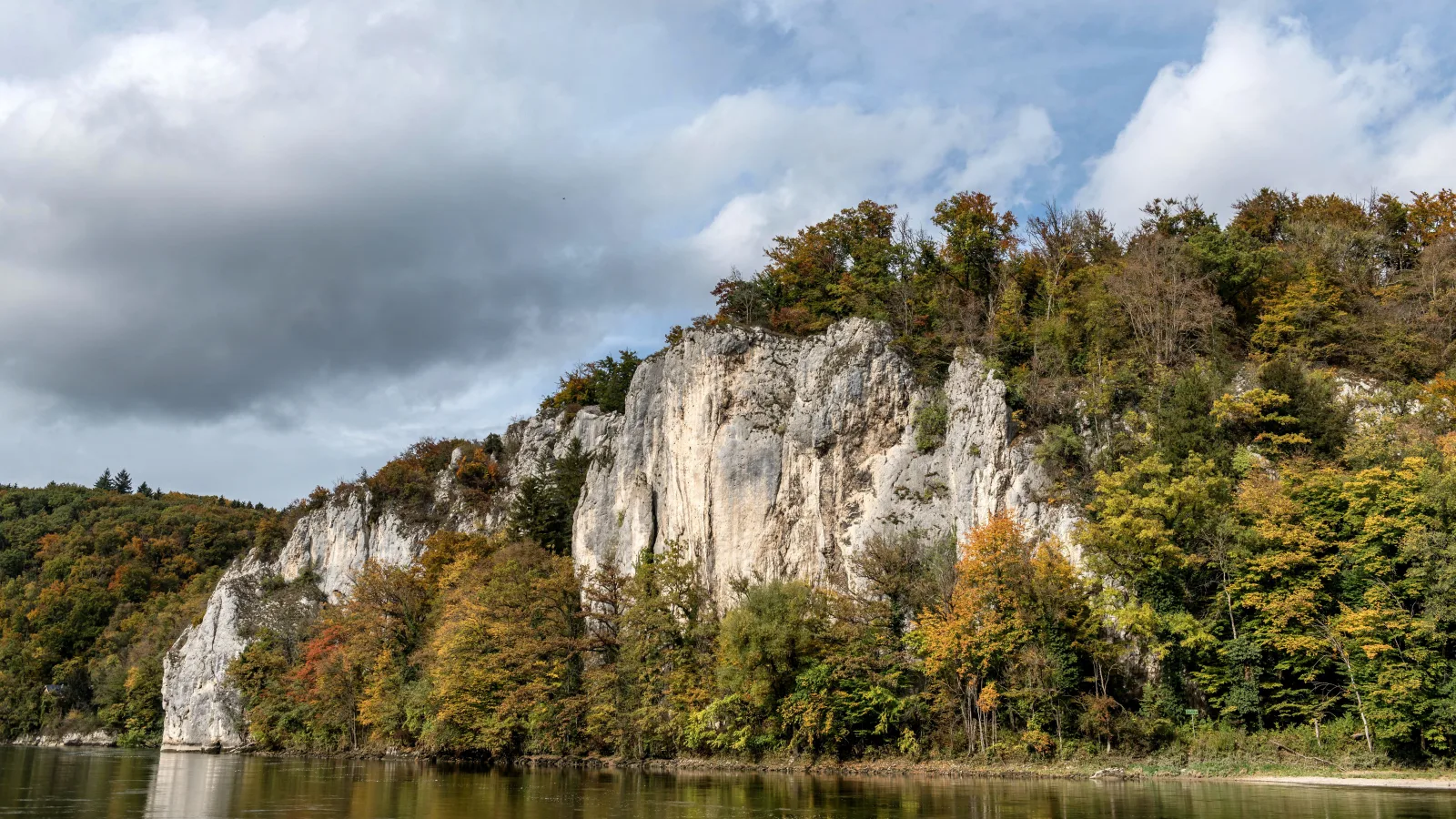
The Krakow-Czestochowa Upland is one of the easiest regions in Poland for a crew with a dog. The Trail of the Eagles' Nests and most limestone outcrops run through open country, and Ojcow National Park allows dogs on a leash and muzzle on its trails, which makes it one of the very few Polish national parks open to dogs. Dogs are not allowed inside the caves, including Lokietek Cave and Ciemna Cave, or in museum interiors at the castles. Autumn is the best season here: the beech valleys turn gold and the heat is gone.
The Krakow-Czestochowa Upland, known in Poland simply as the Jura, has one rare advantage for anyone travelling with a dog: almost nothing here is closed. Instead of a no-dogs sign at the national park entrance you get hundreds of kilometres of trails through fields, beech woods, limestone outcrops and castle ruins, and the only real restrictions apply to interiors you would not take a dog into anyway.
Ojcow National Park, the exception in Poland
Most Polish national parks say no to dogs. Ojcow is one of the few that allows them on the trails, on a leash and wearing a muzzle. That changes the planning completely: the Pradnik Valley, the Saspowska Valley and the approach to the Hercules Club rock formation are all open to you.
Two limits to keep in mind:
- Caves. Animals are not allowed into Lokietek Cave or Ciemna Cave. If there are two of you, take turns.
- Museum interiors. The inside of Pieskowa Skala castle is a museum, not a trail. You can see the courtyard and the surroundings together, but the dog stays outside.
Get the muzzle sorted in advance. A dog wearing one for the first time in the car park will spend the whole walk trying to paw it off instead of using its nose.
The Trail of the Eagles' Nests as a day route
The trail runs from Krakow to Czestochowa across more than 160 kilometres, and there is no point treating it as a single objective. Pick a section:
- Podzamcze and Ogrodzieniec castle. The most spectacular ruins on the whole trail, surrounded by open ground and rock. The castle courtyard may operate under different rules from the trail, so check before you go in.
- Bedkowska Valley. Limestone walls, a stream and plenty of shade, ideal for a calm day with a dog that likes water.
- Kobylanska Valley. Shorter, closer to Krakow and popular with climbers, so expect people around the crags.
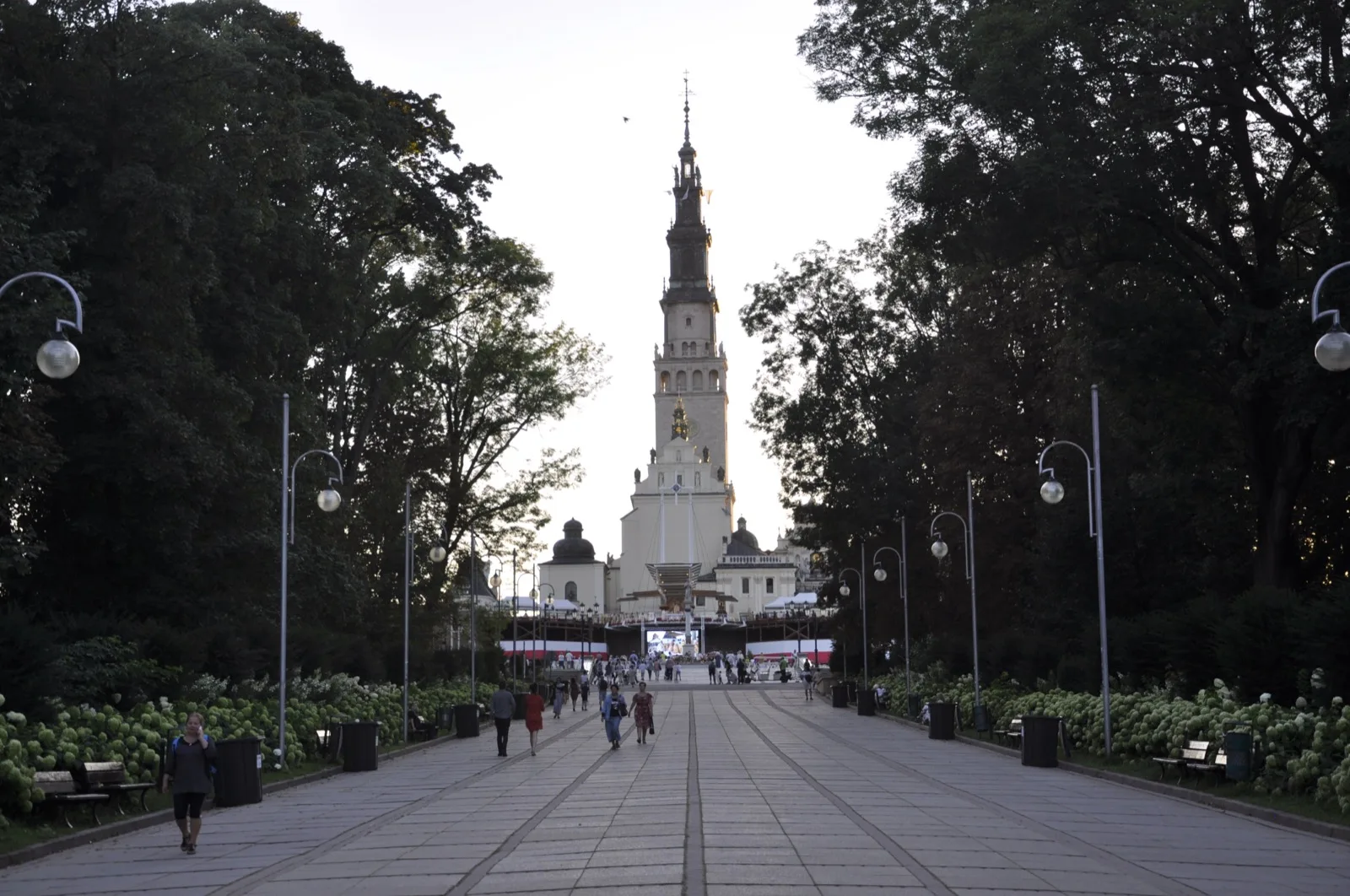
- Around Olsztyn near Czestochowa. Castle ruins on a limestone spur and gentle routes across fields, a good starting point for a dog with no mountain fitness. If you are combining this with the city, see our guides to Jasna Gora with a dog and Czestochowa with a dog.
Why autumn suits this region best
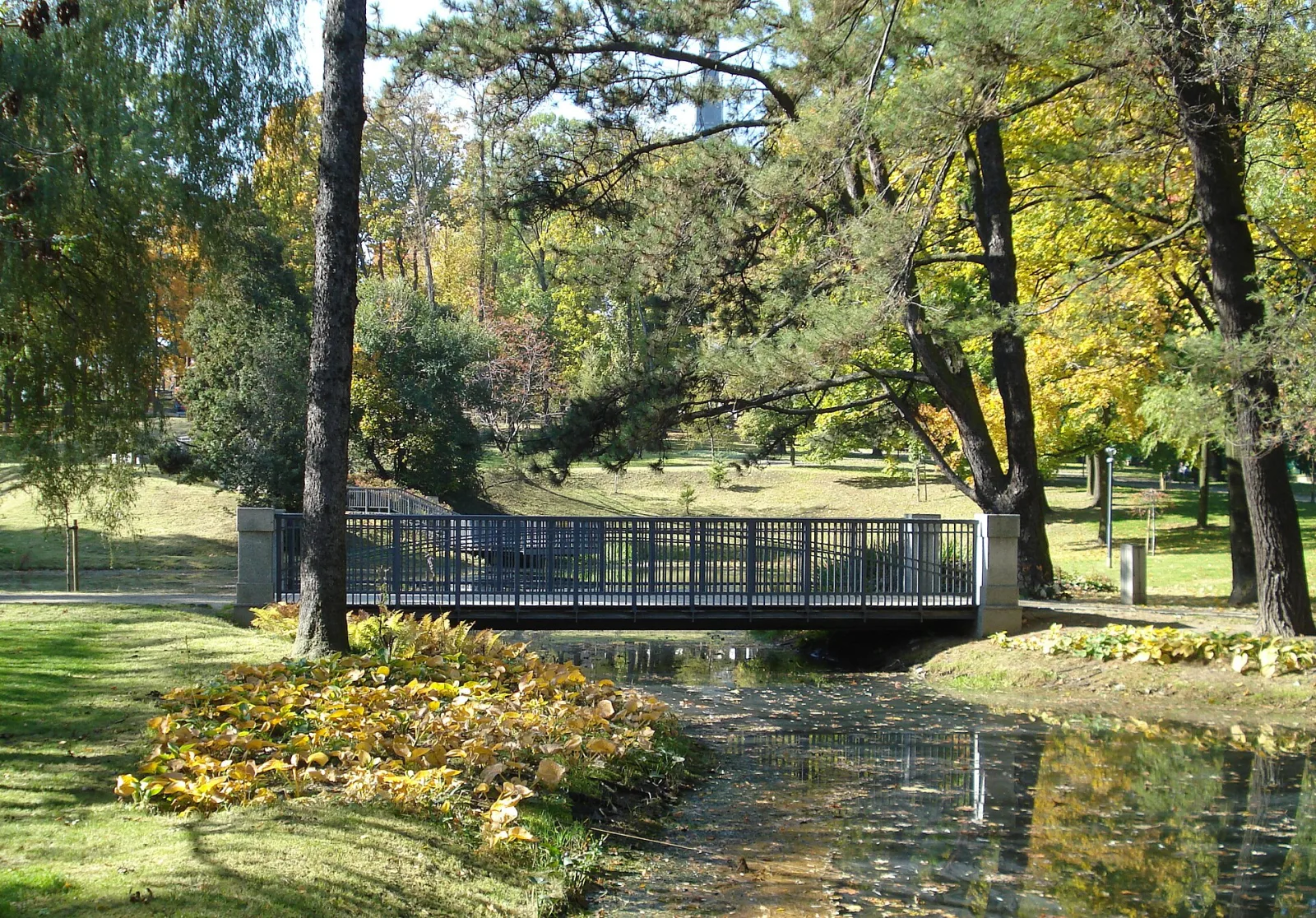
The Jura can be uncomfortable in summer. Much of the trail network crosses open fields and sun-baked limestone, there is less shade than in a typical forest, and the valley streams can dry up. In September and October the same ground feels different: the temperature is right for six or eight kilometres, the beech woods turn gold and the trails are far emptier than in the holiday season.
Autumn also brings two things to check. First, ticks, which reach their second activity peak, covered in our piece on ticks on dogs. Second, the driven hunt season across forest and farmland, which we cover in a separate guide.
Small practicalities that matter
- Paws. Limestone is sharp, and stretches of bare rock wear pads down faster than a forest path. Check them at every stop.
- Water. Do not assume the stream will be running. A bottle and a folding bowl are essential, autumn included.
- Leash. Polish law bans off-leash dogs in forests, and encounters with wildlife are likely here at dawn and dusk.
- Accommodation. Rural guesthouses in the Jura are dog-friendly more often than city hotels, but confirm it before booking.
The Jura is one of those regions where having a dog with you opens more than it closes. Check the DOGOUT map around the route you are planning, and add what you find so the next crew does not have to guess.
Frequently asked questions
- Are dogs allowed in Ojcow National Park?
- Yes, on a leash and wearing a muzzle, which sets Ojcow apart from most Polish national parks. Dogs are permitted on the trails, but not inside the caves or in museum interiors such as the rooms of Pieskowa Skala castle.
- Can I take my dog into Lokietek Cave?
- No. Animals are not allowed in the caves, which covers both Lokietek Cave and Ciemna Cave. If there are two of you, the simplest solution is to take turns while the other walks the dog along the valley.
- Is the Trail of the Eagles' Nests suitable for a dog?
- Mostly yes. It runs for more than 160 kilometres through fields, woodland and limestone outcrops, so picking a day section is easy. Watch the rocky approaches to the castle ruins, which can be steep and abrasive underfoot.
- Which sections work best for a first visit?
- Bedkowska Valley, Kobylanska Valley and the area around Podzamcze with the ruins of Ogrodzieniec castle are all easy to reach from Krakow and Czestochowa, and the routes can be shortened or extended without arranging transport.
- When is the best time to visit with a dog?
- September and October. In summer the exposed limestone and open fields get very hot with little shade. In autumn the temperature suits longer routes and the beech woods in the valleys turn gold for several weeks.