

Malbork Castle With a Dog - What Nobody Tells You Before You Go

Dogs are not admitted inside the Castle Museum in Malbork, with guide dogs for blind and partially sighted visitors and assistance dogs for people with mobility disabilities the only exception. The museum does however run a free kennel for dogs and cats on the castle grounds, open from 1 April to 30 September. To use it you need a valid admission ticket, photo ID, the animal's current health record including a rabies vaccination entry for dogs, and a signed copy of the kennel rules.
Malbork is the largest brick castle in the world and one of those places that makes a once-in-a-lifetime list. The problem is predictable: you cannot take a dog inside. What is less predictable is that the museum has a specific answer to that, and almost nobody knows about it before they arrive.
No dogs inside
Start with the fact. The Castle Museum in Malbork prohibits bringing or carrying animals in. The exceptions are guide dogs for blind and partially sighted people and assistance dogs for people with mobility disabilities.
That is no surprise if you know other museum sites. The surprise comes next.
A free kennel for dogs and cats
The museum provides a kennel for dogs and cats on the castle grounds, using boxes or carriers, where your animal waits while you tour. Using it is free of charge.
It runs from 1 April to 30 September, so in season only. That limit matters: if you are planning Malbork in October or over the winter holidays, the kennel will not be there and you need another solution.
What you need to bring
The conditions are specific and better known in advance than discovered at the gate:
| Requirement | Detail |
|---|---|
| Valid ticket | admission to the museum |
| Photo ID | yours |
| Animal health record | current |
| Rabies vaccination | current entry, for dogs |
| Kennel rules | read and signed |
| Age | users must be adults |
The most common failure is the health record. It stays at home because "we are only going sightseeing", and the whole plan collapses on arrival. If you are travelling with a dog anywhere further than the local woods, the record should be travelling too.
Is it right for your dog
Here we should be honest, because the kennel existing does not mean it suits every dog.
It works if your dog is calm, knows a carrier, can be left alone and does not make a drama of a short separation somewhere new. Touring Malbork takes hours, not fifteen minutes.
It does not work if your dog has separation anxiety, has never been alone in unfamiliar surroundings, or handles confinement badly. In that case a better plan is to split the group: one person tours while the other walks the dog along the Nogat and around the walls, then swap. The view of the castle from the outside, from the river side, is the one that ends up in all the photographs anyway.
If your dog struggles with being left, that is worth working on regardless of trips. We cover it in dog separation anxiety.
Structuring the day
- Morning walk around the walls and along the Nogat, so the dog burns energy and settles.
- Paperwork at the kennel, with the health record and ticket in hand.
- Tour without rushing, because the dog is waiting in conditions you agreed to rather than in a hot car.
- Afterwards a longer walk before you get back in the car.
Step four gets skipped and it matters. A few hours in a box followed immediately by a few hours on the road is a lot for one day.
What not to do
Do not leave the dog in the car. This is the situation where people tell themselves it is "only an hour, in the shade, with the window cracked". In season, which is precisely when the kennel operates, a car reaches temperatures that threaten life within minutes. With a free alternative on the grounds there is no reason to take the risk.
Similar cases
Malbork is not unusual: most ticketed attractions prohibit animals. The difference is whether they offer anything in return. We work through a similar case in Jasna Gora with a dog, and collect general travel rules in dog-friendly holidays in Poland.
Before you go
Museum and kennel rules get updated, and the operating season can shift. Check the museum's current information before travelling, particularly if you are going at the edge of the season in April or late September.
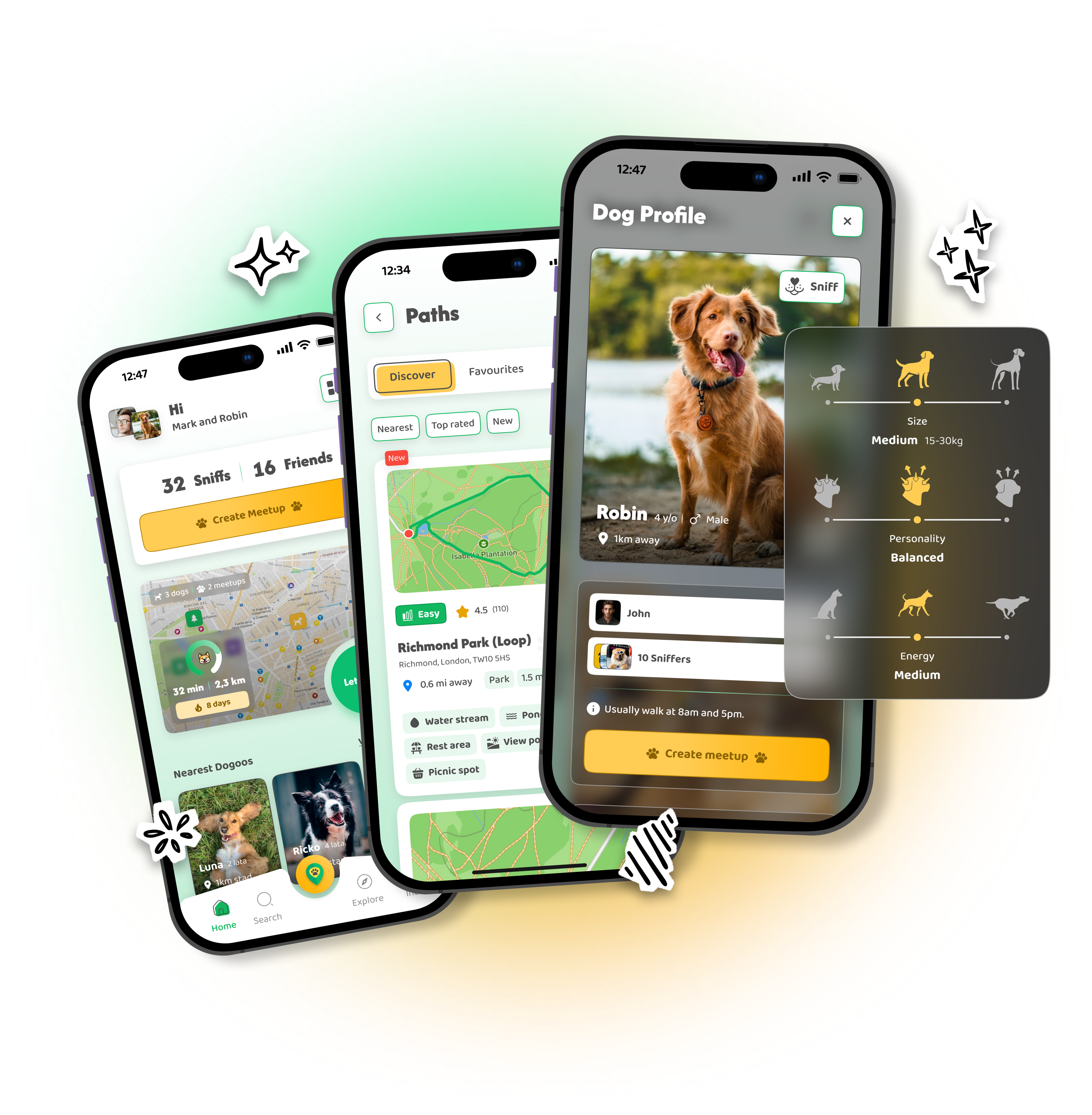
The DOGOUT map shows where guardians around Malbork walk their dogs, so the day does not come down to waiting outside the gate. Grab the lead and plan it properly.
Frequently asked questions
- Can you take a dog into Malbork Castle?
- No. The Castle Museum prohibits bringing animals in, apart from guide dogs for blind and partially sighted people and assistance dogs for people with mobility disabilities.
- What do you do with the dog while you tour?
- The museum runs a kennel for dogs and cats on the castle grounds, using boxes or carriers. Using it is free of charge.
- When is the kennel open?
- From 1 April to 30 September. Outside that window you need to arrange care yourself, so a winter trip with a dog needs a different plan.
- What do you need to bring to leave a dog there?
- A valid admission ticket, photo ID, the animal's current health record, and for dogs a certificate with a current rabies vaccination entry, plus a signed copy of the kennel rules. Users must be adults.
- How much does the kennel cost?
- Nothing. It is free provided the formal requirements are met, above all showing a current vaccination record.
- Is leaving a dog in a box a good idea?
- It depends on the dog. For a calm animal used to a carrier and a short separation it works. A dog with separation anxiety, or one that has never been alone somewhere unfamiliar, will have a bad time and the day is better planned differently.