Dog Walker in Warsaw: How to Choose the Right One
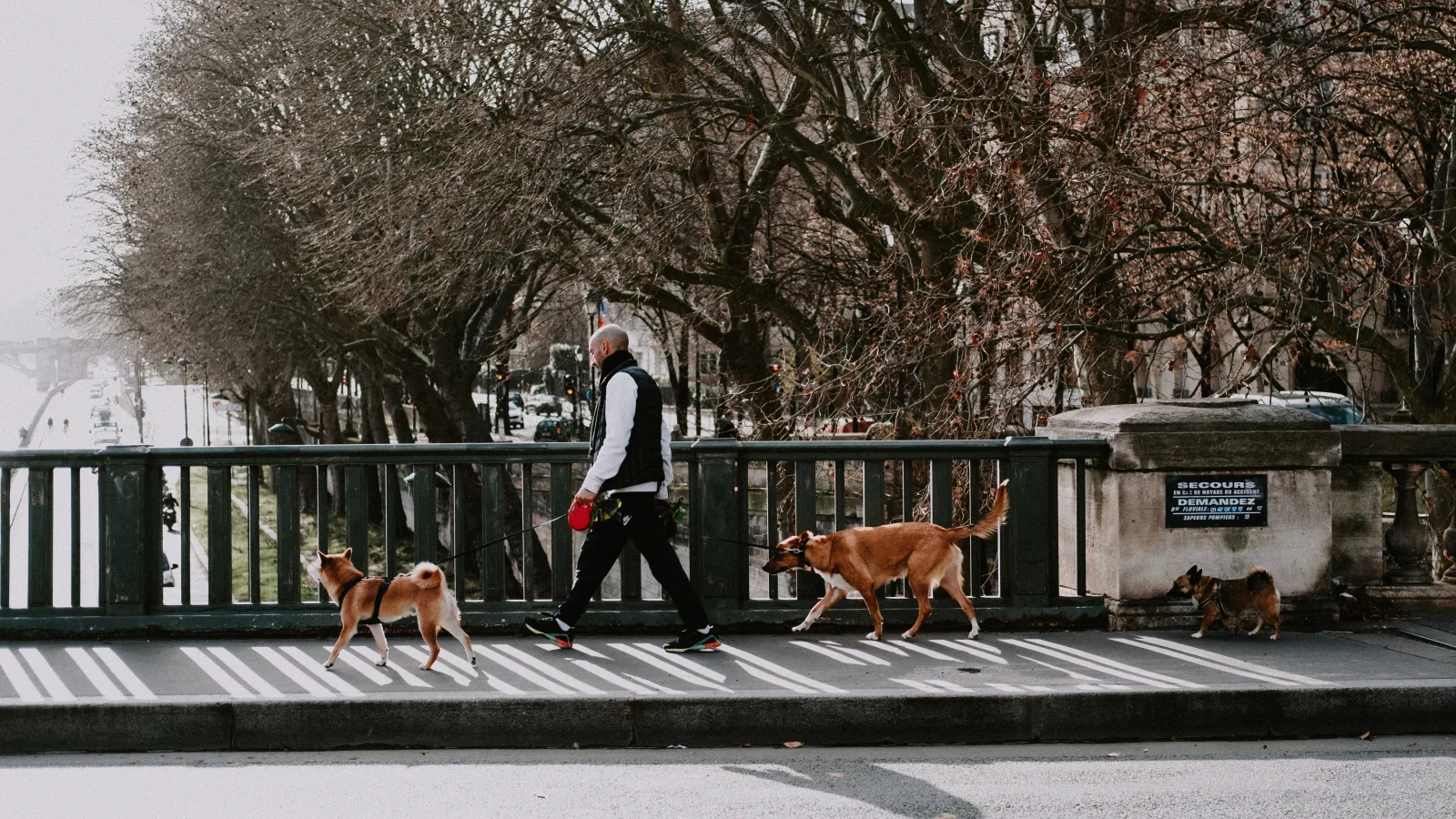
A professional dog walker in Warsaw makes sense for long working hours, recovering from an injury, business travel, or a puppy that needs a midday break. When choosing one, check three things: do they carry liability insurance, will they agree to a trial walk before a regular arrangement, and can they give you concrete references. Prices in Warsaw typically start at a few dozen zloty for a single 30-minute walk and rise with walk length, number of dogs and location, it's worth comparing a few options before committing to a regular arrangement.
Warsaw is a city where long commutes and full workdays can genuinely clash with a dog's needs. Professional dog walking isn't a luxury reserved for the few, it's a practical fix for specific life situations. The real question is how to find someone you can actually trust.
When professional dog walking is worth it
Not every dog and every situation calls for it, but a few scenarios come up again and again where a dog walker genuinely helps:
- long, irregular working hours - if you regularly get home after 9-10 hours, your dog spends the whole day without movement or a bathroom break,
- recovery - after surgery, a leg or back injury, physically walking a dog on a leash can be impossible or unsafe,
- a puppy mid house-training - a young dog needs to go out every few hours, hard to square with office work,
- travel without the dog - a single day or a few days when there's no one to leave the dog with longer, but the daily walk still needs to happen.
If none of these apply and you're mainly after more variety in your dog's walks, a better fit might be finding someone to walk together instead of a paid service, more on that below.
What to check when choosing a walker
Liability insurance. A good walker should carry liability insurance (OC), covering damage caused by a dog in their care, bites, a knocked-over cyclist, damaged property. Ask directly before signing up for regular walks. In practice, this kind of policy covers damage the dog causes to a third party or their property during the walk, and often the dog's own vet costs if it's injured while in the walker's care, a hurt paw, a cut, a leash accident. It does not cover routine vet visits or treatment for a condition the dog already had, that's the scope of the dog's own pet insurance, not the walker's liability cover. A verbal "don't worry, I'm insured" means nothing on its own, ask to see the policy, or at least the policy number and the insurer's name so you can check it yourself. A walker who bristles at that request has already answered whether they're worth trusting.
A trial walk. Before committing to a regular arrangement, ask for one test walk where you can actually see how the walker handles your dog, do they stay calm around other dogs, handle the leash correctly, does your dog visibly relax around them.
References. A trustworthy walker will happily share a contact from a past client, or point you to reviews on the platform they work through. No references at all for a paid, ongoing service is a warning sign.
An emergency plan. Ask what they'd do if the dog slipped its leash, got sick mid-walk, or ran into an incident with another dog. A specific, thought-out answer says far more about experience than enthusiasm alone.
What it costs
Prices in Warsaw vary significantly between individual walkers, districts and intermediary platforms. Roughly: a single 30-minute walk starts at a few dozen zloty, rising with walk length, the number of dogs in the household, and extras (feeding, cleaning up at home). Regular monthly packages are often better value per walk than one-off bookings, worth asking about if you're planning regular use.
Table - types of services
| Service | Best for | What to check |
|---|---|---|
| Single walk (30-60 min) | One-off need, testing a walker | Schedule flexibility |
| Regular package | Consistent long work hours | Package price vs. one-off bookings |
| Group walk | Well-socialised, sociable dogs | How many dogs one walker handles at once |
| Home visit + short walk | Older dogs, puppies, anxious dogs | Time spent at home, not just outside |
Red flags when choosing
- No option for a trial walk or any vetting before a paid, ongoing arrangement.
- One walker handling a dozen-plus dogs at once with no clear group-handling experience.
- No clear answer about insurance or emergency procedure.
- Prices noticeably below market rate, often a sign of no insurance or limited experience.
What the first contact with a walker looks like
Before you book a trial walk, a good walker will usually ask you several questions first, about your dog's temperament, how it reacts to other dogs and people, any fears or health limitations, and what route or walk length you expect. If the conversation is limited entirely to agreeing a price and a time slot, with no questions about the dog itself, that's a sign to look for someone more thorough, good care starts with getting to know the animal, not the calendar.
It's also worth agreeing communication expectations up front, will you get a message after each walk, a photo, a short note on how it went. Regular, specific feedback is one of the simplest ways to judge whether an arrangement is working before you've settled into it for good.
Warsaw specifics
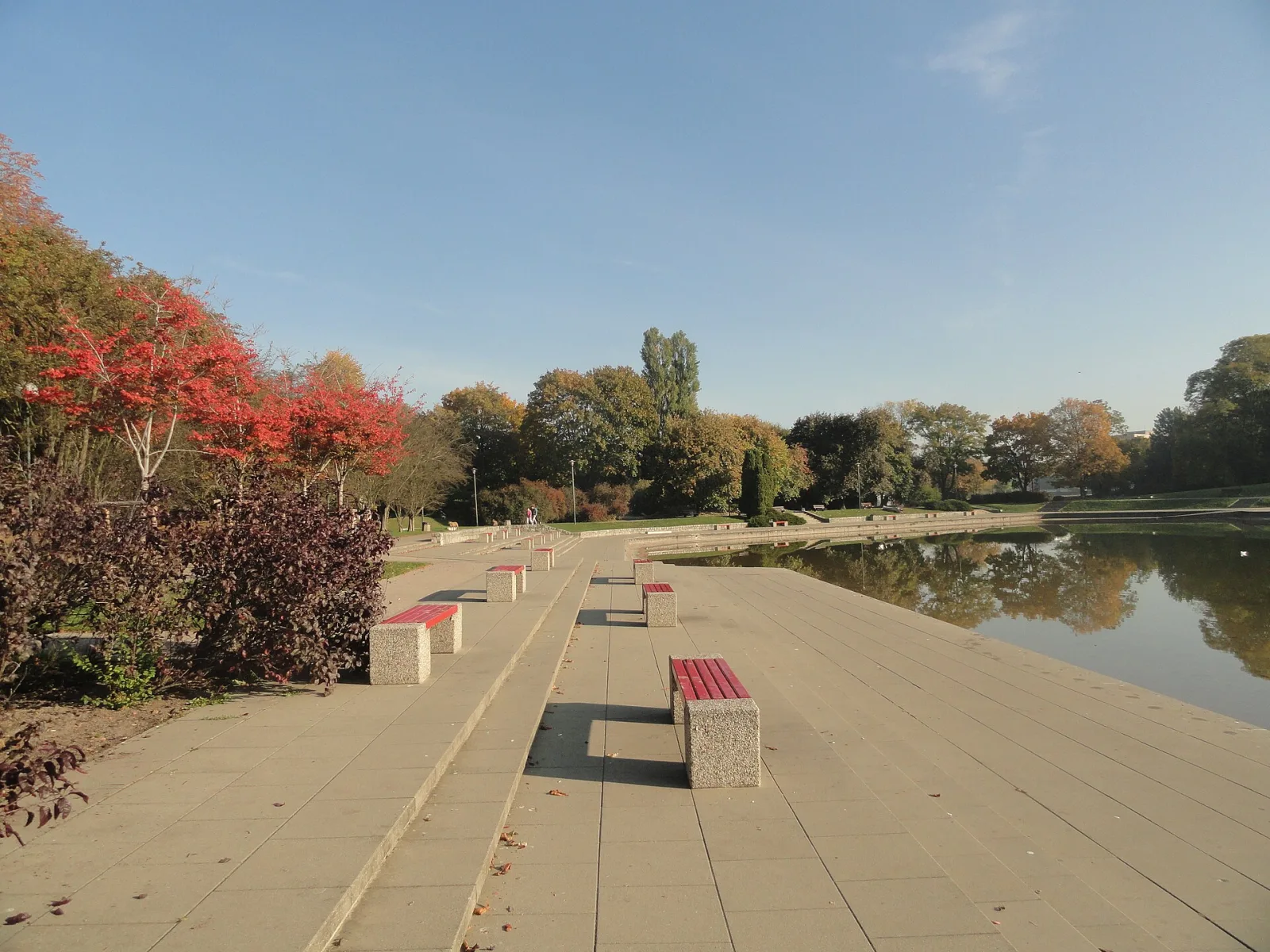
Large green spaces like Pole Mokotowskie, Las Kabacki or the Vistula boulevards are popular with professional walkers, they give room for a calm walk without constantly crossing busy junctions. If you have a specific route in mind for your dog, agree it with the walker up front rather than assuming they'll pick the same area you would.
What a good trial walk looks like, step by step
- The chat before setting off. A good walker doesn't just ask about breed and age. They dig into specifics: does the dog get tense around other dogs, is its recall solid, has it ever slipped its leash, what sets it off (fireworks, scooters, the crush of cyclists on Poniatowski Bridge at rush hour). They also ask for your vet's contact and what to do if they can't reach you.
- Punctuality. A walker who shows up late for the very first meeting, with no heads-up, is telling you something about what a regular arrangement will look like. Worth noticing before it gets explained away as a one-off.
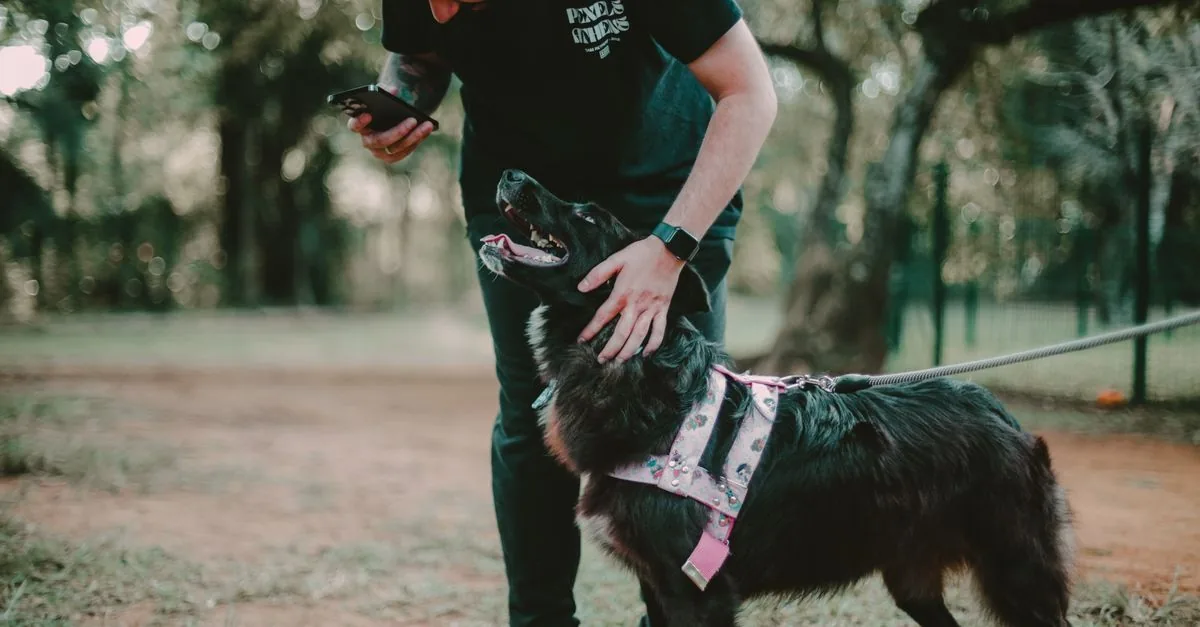
- The first contact with your dog. A good walker doesn't grab the leash straight away. They let the dog sniff them out, read its body language, then head for the door.
- The walk itself. Watch how they react when another dog, a cyclist, or anything that unsettles your dog shows up on the route, do they stay calm and in control, or yank the leash instead of redirecting attention.
- The debrief afterwards. A specific account, not a vague one, what happened on the route, how the dog reacted, what caught its attention. Some walkers send a photo as proof the walk happened, if that matters to you, say so before the trial walk.
If your dog comes back calm rather than wound up, and the walker can describe the walk without being prompted, that's a good sign to move to a regular arrangement.
The written agreement, what it should cover
Even an informal message on WhatsApp where both sides confirm the ground rules beats a verbal "we'll figure it out." Before committing to regular walks, make sure you've agreed on:
- Emergency vet authorization - your vet's name and phone number, plus written permission for the walker to authorise urgent treatment if they can't reach you.
- What happens if the dog is injured or gets loose - who covers vet costs, and what the walker actually does if the dog goes missing, when they call you, whether they search the area, whether they retrace the route.
- Cancellation and no-show policy - how many hours' notice cancels a walk without a fee, and what happens if the walker is the one who's late or doesn't show.
- Exact walk duration and route type - 30 or 45 minutes, leash-only or does the walker have discretion to let the dog off-leash in designated spots, and whether you're even comfortable with that.
- Home access - how the walker gets in (key, code, concierge), where the key lives between visits, and what happens to it once the arrangement ends.
- Photo and update frequency - a message after every walk, or only on request.
- Payment terms - upfront or after, cash or transfer, and what happens to payment for a walk you cancel.
It doesn't need a lawyer, one message with a bullet list that both sides confirm is enough. The point is that if something goes wrong, there's no argument about who agreed to what.
Alternative - walking together instead of paying
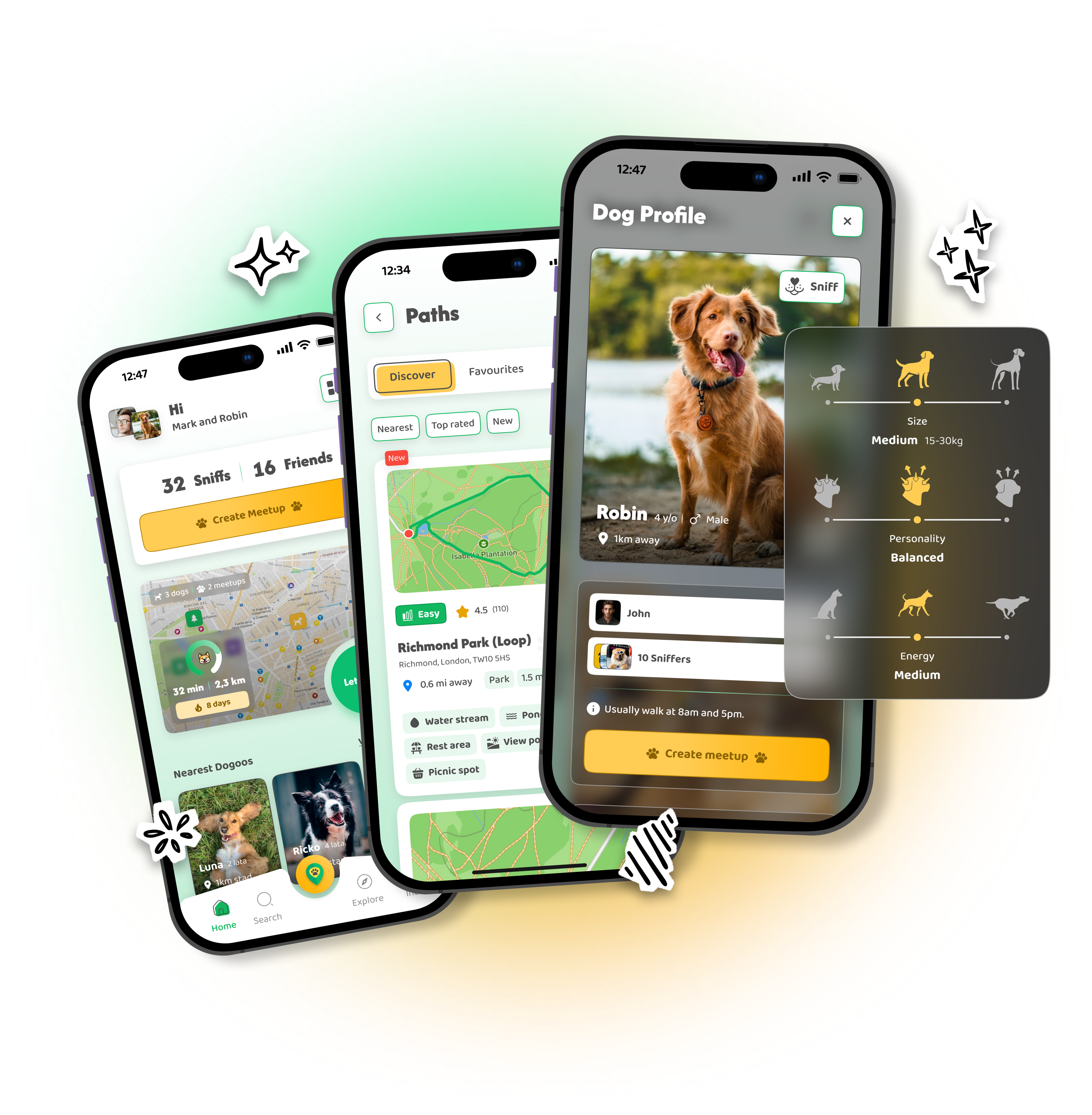
If your main goal is more variety rather than covering long absences, a better fit is often finding someone nearby to walk with, no fee, but a real chance your dogs hit it off. On the DOGOUT map you can see who's walking near you in Warsaw, plus places other owners have already tagged, a good starting point whether you're after company or a professional service.
Frequently asked questions
- How much does dog walking cost in Warsaw?
- Prices vary a lot between individual walkers and districts, but a single 30-minute walk typically starts at a few dozen zloty. Longer walks, more dogs in the household, a further-out district, or weekend care usually push the price up. Compare a few offers rather than picking the first one you find.
- Does a dog walker need insurance?
- It is worth choosing a walker who carries liability insurance (OC in Poland), it protects you if the dog causes damage while under someone else's care, a bite, a cyclist knocked over. Ask directly before agreeing to a regular arrangement, do not assume everyone has it.
- How do I check if a dog walker is trustworthy before leaving them my dog?
- Ask for a trial walk so you can observe how the walker handles your dog, their reaction to other dogs, leash handling, general calm. Ask for references from other clients too, and check whether the walker can clearly explain what they would do in an emergency, the dog slipping its leash, falling ill mid-walk.
- Can a Warsaw dog walker prove a walk actually happened?
- Some walkers and platforms share a GPS-tracked route or photos from the walk as proof. That is convenient, especially for a first booking, but not every individual walker offers it, if that matters to you, ask directly before booking.
- When is it actually worth hiring someone to walk your dog?
- The most common situations are long, irregular working hours, recovering from an injury or operation, a trip without the dog, and a puppy that needs a short break midday before it grows into longer gaps between walks.