Flying With a Dog - How to Prepare for the Journey
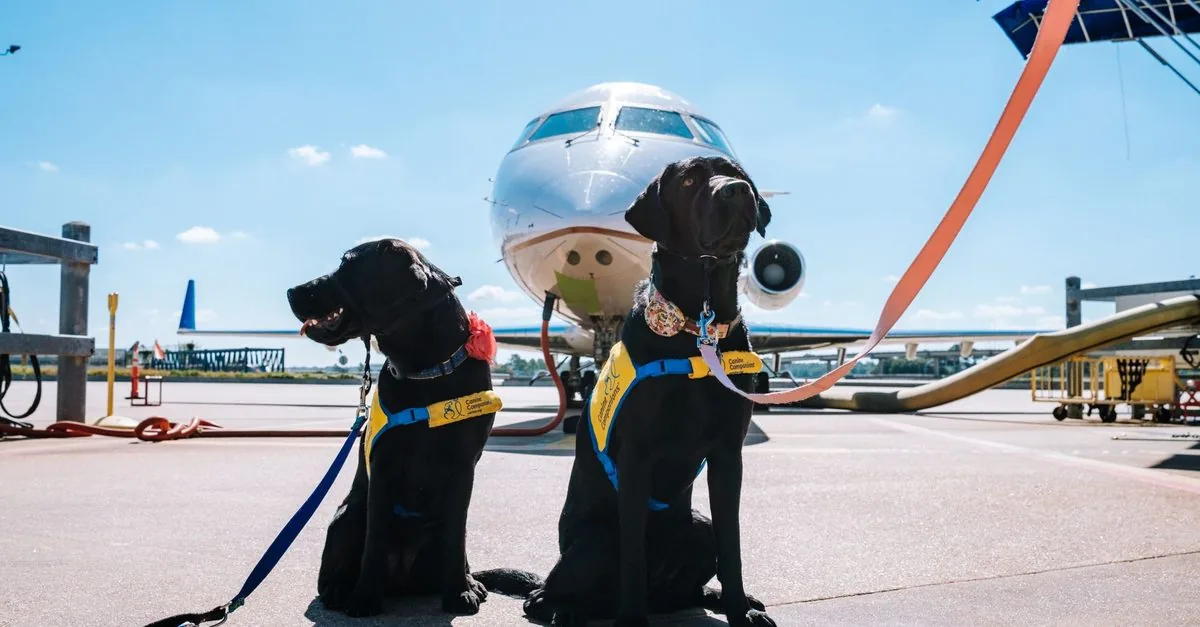
Flying with a dog takes preparation on several fronts: choosing the airline and travel method (cabin for small dogs, cargo hold for larger ones), a carrier that meets the airline's requirements, and a full set of documents (passport, up-to-date rabies vaccination, and for some destinations a titre test). It's worth getting your dog used to the carrier in advance, limiting feeding before the flight and running the whole plan past your vet. Rules vary between airlines and countries, so check them with the specific carrier.
A move abroad, a holiday far from home, a return to family on another continent - there are situations where a dog flies with us. It's doable and, for many dogs, quite safe, but it takes planning ahead rather than a last-minute decision. Below we walk through the essentials: the travel method, the carrier, documents and preparing the dog itself.
Cabin or cargo hold?
This is the first and most important decision, because everything else follows from it.
- Cabin - the option for small dogs that, together with a soft carrier, fit under the seat and stay within the airline's weight limit (often around 8 kg). The dog travels with you, which reduces stress.
- Cargo hold - for larger dogs. This is a separate, climate-controlled and pressurised part of the aircraft designated for animals. The dog travels in a rigid kennel, apart from its owner.
- Air cargo - on some routes, for relocations or larger animals, the airline may require the dog to be sent as separate air freight, often through a specialist agent.
A word of caution about short-nosed (brachycephalic) breeds - pugs, bulldogs, boxers. Their airway structure means many airlines won't accept them in the cargo hold at all, because the risk of breathing problems is too high.
A carrier that meets the requirements
The carrier isn't a detail, it's a safety item that has to meet the airline's specific requirements.
| Travel method | Carrier type | Key requirements |
|---|---|---|
| Cabin | Soft, flexible | Fits under the seat, dog can turn around and lie down |
| Cargo hold | Rigid (IATA type) | Ventilation on several sides, solid latch, water bowl |
| Air cargo | Rigid (IATA type) | Compliant with IATA standards, labelling, animal description |
Whatever the type, the dog must be able to stand, turn around and lie down comfortably inside. A carrier that's too small isn't just uncomfortable, it's also grounds for refusal at check-in.
Documents and health requirements
The formalities vary by destination, but a few things recur almost every time:
- Microchip - identification, required for international travel.
- Pet passport - the basic travel document within the EU.
- Up-to-date rabies vaccination - it must be valid and done within the required time window.
- Antibody titre test - needed for some destinations outside the EU.
- Deworming within a set window - required for entry into certain countries.
Destination-country rules can differ and change, so settle the details in advance with the airline and via official sources for the country in question. There's more on cross-border formalities in our guide to travelling abroad with a dog.
How to prepare your dog
A well-prepared dog copes with the flight far more calmly. Start early enough:
- Get the dog used to the carrier. A few weeks before the flight, place the kennel at home, feed the dog in it and reward going in. The aim: the carrier should be a safe place, not a trap.
- Practise being closed in and moving. Gradually extend the time in the carrier and take short car trips, so the dog gets used to being enclosed while moving.
- Plan the feeding. The last meal is usually given a few hours before check-in to reduce nausea. Provide water for as long as possible.
- Provide exercise before the flight. A dog tired out by a walk settles more easily and sleeps through part of the journey.
- Consult your vet. Especially for an older, unwell, anxious dog or a brachycephalic breed. Don't give any sedatives without a vet's recommendation - they can be dangerous in flight.
On the day of travel
- Arrive at the airport with time to spare - checking in an animal takes longer.
- Before check-in, let the dog relieve itself and stretch its legs.
- Put something that smells of home in the carrier (a blanket, a cloth), but avoid loose items that could get in the way.
- Label the carrier with your contact details and a note that there's a live animal inside.
- Stay calm at check-in - the dog senses your tension and responds to it.
Is it definitely a good idea?
It's worth asking this honestly. For a healthy, balanced dog, a flight is a doable if stressful experience. But for a short trip, travelling by car is sometimes the better option, which we cover in our guide to travelling with a dog by car. And sometimes the safest choice for the dog - especially an older, unwell or very anxious one - is to stay with a trusted carer rather than fly.
If the decision to fly is made, treat the preparation like a project: check the specific airline's rules, gather the documents in advance, choose the right carrier and patiently get your dog used to it. A well-planned journey is one where, once you've landed, you head straight out for a walk together in a new place. In the DOGOUT app you can check dog-friendly spots near your destination and find your feet quickly in unfamiliar surroundings.
Frequently asked questions
- Can a dog fly in the cabin?
- Yes, but usually only small dogs that fit in a soft carrier under the seat, up to a set weight limit including the carrier (often around 8 kg, depending on the airline). Larger dogs travel in the climate-controlled cargo hold in a rigid kennel. Every carrier has its own rules, so confirm them before booking.
- What documents do I need to fly with a dog?
- Within the EU the basics are a pet passport, a microchip and a valid rabies vaccination. Some destinations also require an antibody (titre) test or deworming within a set time window. Requirements differ between countries, so check them in advance with the airline and against the destination country's rules.
- Is air travel safe for a dog?
- For most healthy dogs, yes, though it's a stressful experience. The risk is higher for short-nosed (brachycephalic) breeds such as pugs and bulldogs, which many airlines refuse to carry in the hold because of breathing problems. Always consult your vet before flying, especially if the dog is older, unwell or very anxious.
- Can I give my dog a sedative for the flight?
- Not on your own initiative. Many airlines and vets advise against routine sedation, because sedatives can impair breathing and temperature regulation, particularly in the cargo hold. Any medication is a decision for a vet alone, after examining the dog. Instead of drugs, getting the dog used to the carrier beforehand is usually the better bet.
- How do I get my dog used to the carrier before flying?
- Start a few weeks ahead: place the open carrier at home, feed the dog inside it and reward going in, until it becomes a safe place. Gradually extend the time closed inside and take short car trips, so the dog links the carrier with something neutral. A dog that knows its kennel copes with the flight far more calmly.
- Should I feed my dog before the flight?
- It's usually recommended not to feed a dog right before travel, giving the last meal a few hours earlier to reduce the risk of nausea. Provide water up to check-in, and fix a water container inside the carrier. It's best to agree the details with your vet, depending on the dog and the length of the flight.