Hip Dysplasia in Dogs - Symptoms, Treatment and Daily Care
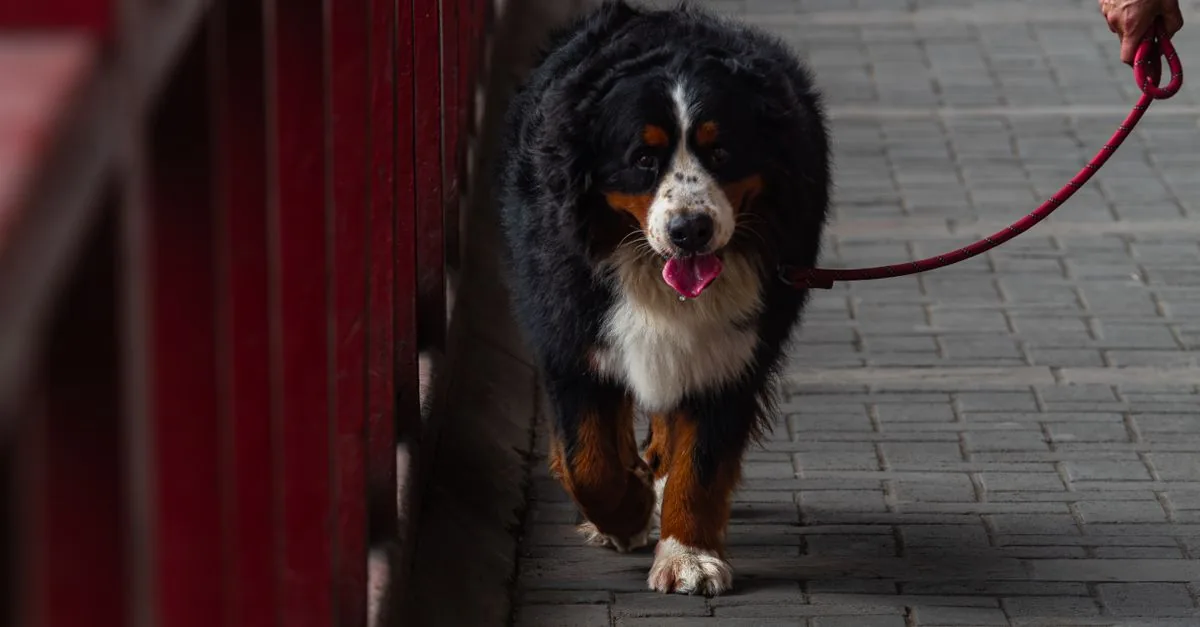
Hip dysplasia in dogs is a developmental fault in which a joint (most often the hip or elbow) doesn't fit together properly, leading over time to pain and degenerative change. Common signs include a stiff gait, reluctance to jump or get up, lameness and a characteristic swaying of the hindquarters. Dysplasia is more common in large breeds, but it's genetic at root, made worse by fast growth, excess weight and over-exercising a puppy. A vet diagnoses it from an examination and X-rays - treatment depends on severity and ranges from weight control and physiotherapy to surgery.
A stiff walk after lying down, a refusal to jump onto the sofa, a sway of the hindquarters when running - these are signs that are easy to put down to age or tiredness. Yet in many dogs, especially large breeds, they point to joint dysplasia. It's one of the most common orthopaedic conditions in dogs, and the earlier you spot it, the more you can do. Below we explain what dysplasia is, how to recognise it and how to genuinely help your dog.
What is hip dysplasia in dogs?
Dysplasia is a developmental abnormality in the structure of a joint, where its parts don't fit together properly. In the hip, the head of the femur doesn't sit snugly in the socket; in the elbow, the individual bones don't align correctly. The result is excess play, friction and instability.
Over time the body tries to compensate, but this leads to chronic inflammation and degenerative change - osteoarthritis. That's why dysplasia and arthritis are closely linked: one often leads to the other. For more on the degenerative process itself, see our guide to arthritis in dogs.
Causes - why does a dog develop it?
Dysplasia is primarily genetic. A dog inherits a tendency towards a faulty joint structure, which is why responsible breeding with X-ray screening of the parents lowers the risk so much. That isn't the whole story, though - environmental factors also shape how the disease develops:
- fast growth and overfeeding of a large-breed puppy,
- excess weight, which loads developing joints,
- over-exercising a young dog - long runs, jumping and pushing joints before they've matured,
- slippery flooring at home, where the legs slide apart.
The good news is that some of these factors are within your control. You can't change your dog's genes, but you can look after its weight, growth rate and type of activity.
Symptoms of dysplasia in dogs
Symptoms depend on which joint is affected and how advanced the disease is. They can be subtle, especially early on, which makes them easy to miss.
| Symptom | What it may mean |
|---|---|
| Stiff gait after rest | Joint pain and stiffness, a typical "warm-up" at the start of movement |
| Bunny hopping (both hind legs together) | Offloading painful hips |
| Reluctance to jump or use stairs | Pain when loading the joint |
| Swaying hindquarters when walking | Hip joint instability |
| Lameness that worsens after exercise | Overloading the affected joint |
| Muscle wastage in the hind legs | Long-term offloading of the limb |
| Clicking or "popping" in the joint | Poorly fitting joint surfaces |
In large-breed puppies, the first signs can appear as early as 5-8 months. In other dogs the disease only shows up in adulthood, once degenerative change sets in. If you notice lameness that won't clear, it's worth reading it alongside the whole picture - more on the sign itself in our guide to limping in dogs.
Diagnosis - how a vet confirms dysplasia
You can't diagnose dysplasia yourself - the symptoms overlap with many other conditions. A vet makes the diagnosis based on:
- History and gait observation - how the dog moves, gets up and sits down.
- Orthopaedic examination - assessing joint range and tenderness, tests for hip instability.
- X-rays - the key investigation, usually done under sedation so the dog can be positioned precisely and the severity assessed.
From this information the vet decides how serious the dysplasia is and what plan will work best for the individual dog.
Treatment and daily care
Dysplasia as a structural fault can't be reversed, but the pain can be managed effectively and progression slowed. Treatment is tailored to the individual, depending on severity:
Conservative management (in milder cases):
- Weight control - the single most important and free part of care. Every extra kilo is more load on the affected joints.
- Appropriate exercise - regular, moderate walks and swimming build the muscles that stabilise the joint. Avoid sudden bursts and long runs.
- Physiotherapy and rehabilitation - exercises, massage and hydrotherapy chosen by a specialist.
- Pain and anti-inflammatory relief - only on a vet's prescription. Never give your dog human painkillers, as many of them are toxic to dogs.
- A comfortable, warm bed and avoiding slippery floors at home (mats, rugs).
Surgical treatment (in more severe cases) - several types of procedure exist, chosen according to the dog's age and the type and degree of dysplasia. The decision to operate is made by the vet together with the owner.
How to reduce the risk in a young dog
If you have a large-breed puppy or are only planning a dog, a few things genuinely lower the risk:
- choose a breeder whose parent dogs have had joint screening,
- don't overfeed the puppy or force fast growth,
- dose exercise sensibly - avoid long runs, jumping and stairs before the dog matures,
- provide non-slip flooring at home,
- keep the dog lean throughout its life.
Living with a dog that has dysplasia
A dysplasia diagnosis sounds alarming, but many dogs with the condition lead active, happy lives - given sensible care. The key is regular but controlled movement: frequent calm walks beat one intense effort now and then. It helps to plan routes on soft ground, avoid the heat and frost that worsen stiffness, and watch how your dog responds to a given level of activity.
Good spots for such walks - soft forest paths, quiet parks, routes away from slippery concrete - are easier to find when a community of other owners points them out. On the DOGOUT app you can check places flagged by people in your area and pick a route matched to your dog's ability.
Finally, the most important point: this article is here to help you understand the problem, not to replace your vet. If your dog suddenly won't bear weight on a leg, yelps in pain or lameness appears abruptly, don't wait - book an urgent visit. With dysplasia, as with most joint conditions, time is on your side only when you act early.
Sources
Frequently asked questions
- How can I tell if my dog has hip dysplasia?
- Typical signs are a stiff or swaying gait, reluctance to jump, climb stairs or get up, 'bunny hopping' (pushing off with both hind legs together) and lameness that worsens after exercise. In a puppy, signs can appear as early as 5-8 months. Only a vet can confirm it with an examination and X-rays, so don't try to diagnose your dog yourself.
- Can hip dysplasia in dogs be cured?
- Dysplasia as a structural fault can't be reversed, but the pain can be managed effectively and the progression slowed. In mild cases, weight control, physiotherapy and well-chosen exercise are enough. In more severe cases a vet may recommend medication or surgery. The goal is a pain-free, functional dog, not a perfect joint on an X-ray.
- Can a dog with hip dysplasia go on walks?
- Yes, and it should - appropriate exercise strengthens the muscles that stabilise the joint. The key is regular, moderate movement rather than sudden bursts: frequent calm walks on soft ground beat one frantic run once a week. Swimming is one of the best activities for such a dog. Plan the routine with your vet or a physiotherapist.
- Which breeds are most at risk of dysplasia?
- Most often large and giant breeds - German Shepherd, Labrador, Golden Retriever, Bernese Mountain Dog, Rottweiler, Great Dane. That doesn't mean smaller dogs are risk-free. Elbow dysplasia more often affects large, working breeds. Responsible breeding with parental joint screening significantly lowers the risk.
- Does diet affect hip dysplasia in dogs?
- Yes, indirectly but significantly. Excess weight loads the affected joints and speeds up degeneration, so keeping a healthy weight is one of the most important parts of care. In large-breed puppies it also matters not to overfeed or push growth. Work out the specific diet and any supplements with your vet.
- When should I take a dog with suspected dysplasia to the vet urgently?
- Book a prompt visit if the dog suddenly won't bear weight on a leg, yelps in pain, has clearly restricted movement, or lameness appears abruptly. Sudden, severe signs can mean an acute problem needing quick help, not just slow-progressing dysplasia. When in doubt, always check sooner rather than later.