How to Choose a Dog Boarding Hotel: A Step-by-Step Guide
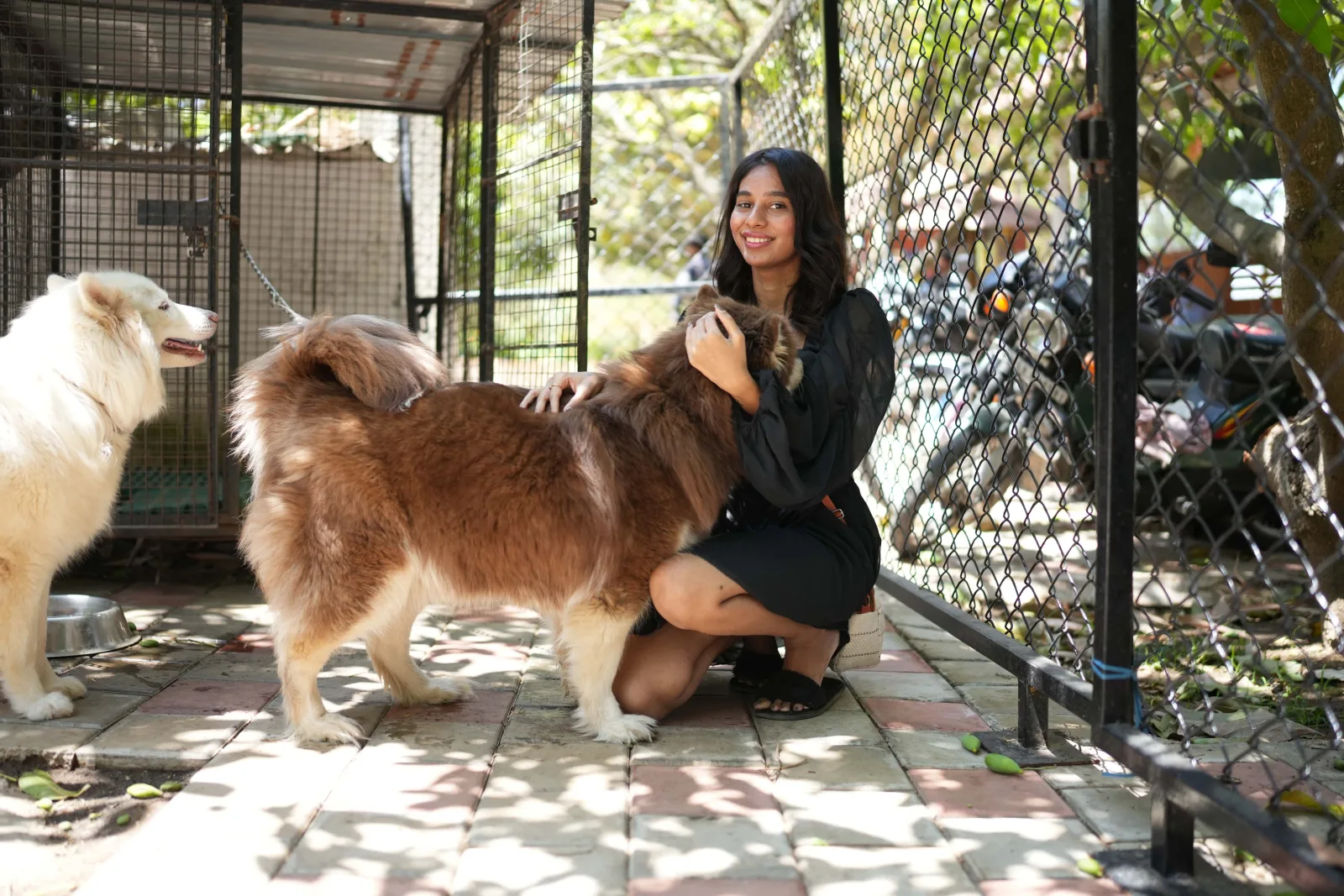
A good dog boarding hotel (kennel) should require up-to-date vaccinations before accepting a dog, offer separate runs or spaces for reactive dogs, and let you visit and see the facility before you book. It should also have a standing relationship with a vet for emergencies. A place that doesn't ask for a vaccination record is a serious red flag, it means it isn't protecting your dog from other animals' illnesses on site either.
A trip without your dog, a holiday, a work trip, a family situation, comes up for most owners sooner or later. That's when the question of a dog boarding hotel comes up, a place to leave your dog under professional care. A good kennel is not just a run and a food bowl, it's a specific set of standards worth checking before you sign anything.
Boarding hotel vs dog-friendly hotel - don't mix them up
These are two different things that are easy to confuse online. A dog-friendly hotel is a regular accommodation where you and your dog stay together, you're travelling on holiday as a pair. A dog boarding hotel, or kennel, is where you leave your dog under care while you're away, you aren't there. This guide covers the second case. For the first, see our guide to dog-friendly accommodation.
What a good boarding kennel should offer
A vaccination requirement. This is the absolute baseline. A facility that accepts dogs without checking vaccination records and deworming status puts every animal on site at risk of infection. If nobody asks you about this when booking, that's a serious red flag, not a sign of "flexibility."
Separate spaces for reactive dogs. Not every dog handles constant company well. A good kennel has runs or zones for dogs that need quiet, and staff capable of judging which dog fits which group, rather than putting every dog together regardless.
The option to see the facility before booking. A trustworthy kennel has nothing to hide, it will show you the runs, the outdoor space, the general conditions before you sign anything. If you hear a refusal, or vague excuses about why "now isn't a good time," that's one of the most serious red flags on this list.
A standing relationship with a vet. Ask which clinic the kennel works with and what happens in a medical emergency, will you be kept informed as it happens, or does the facility have authority to make decisions in your absence?
Questions worth asking before you book
- Do you require an up-to-date vaccination record and proof of deworming before accepting a dog?
- What does a typical day look like for a dog on site, how much time outside versus in a run?
- Are dogs grouped by temperament, or do they stay together with no distinction?
- What happens in a sudden illness or injury, who do you contact, and who makes the call in my absence?
- Can I see the facility before booking, and speak with whoever will actually be caring for my dog?
- What's your cancellation and refund policy if plans change?
Red flags - when to keep looking
- No questions about vaccinations - the most serious and clear-cut red flag on this list.
- Refusal to show the facility before booking, or vague excuses.
- No clear procedure for illness during a dog's stay.
- Prices noticeably below market with no explanation, often a sign of limited care, overcrowding, or unqualified staff.
- Recurring negative reviews about specific, checkable problems (no water, no time outside), rather than general dissatisfaction.
- No visible exercise space. If a visit turns up nothing but rows of runs with no area for free movement, that's a sign dogs spend most of the day in a confined space.
- Runs or crates used as full-time housing rather than just an overnight spot. A dog kept there essentially all day, with breaks only for the basics, is a very different standard from a run used as a place to sleep between activities.
- Staff can't answer basic questions about emergency procedure. If you ask "what happens if my dog gets sick in the middle of the night" and get a vague non-answer, that procedure probably doesn't actually exist.
- No separation between reactive or aggressive dogs and social ones. Housing every dog together regardless of temperament is a fast route to conflict and stress, and sometimes to a more serious incident.
- No visible, ongoing access to fresh water in the runs. A basic thing that's easy to check on a visit, empty or dirty bowls signal that day-to-day care isn't the priority.
What a good facility's daily routine typically looks like
There's no single universal schedule, but well-run facilities tend to share a few habits worth knowing before you judge whether a given kennel measures up.
Set blocks of outdoor time. Dogs don't spend the whole day in a run, a typical day is split into a few defined windows for exercise or walks, morning, midday and evening, rather than one random outing whenever staff happen to have a spare minute.
Feeding that matches the dog's normal routine. A good facility asks upfront about feeding times and frequency at home and tries to replicate them, instead of forcing its own rigid schedule, a sudden change in feeding rhythm is one more stressor on top of an already unfamiliar environment.
Separating reactive and social dogs throughout the day, not just overnight. That means separate exercise windows or separate play zones, so a dog that doesn't handle company well isn't forced to for the whole day just because it's more convenient for staff.
Rest periods between activity blocks. Constant stimulation, noise, other dogs, new people, wears a dog out more than a long walk would. A good kennel alternates outdoor time with quieter downtime in a calmer part of the facility.
A daily update for the owner. A photo, a short message, or a phone call, the form varies, but the fact that a facility keeps you informed about how your dog's day is going, instead of total silence for the whole stay, says a lot about the standard of care.
If a facility you're visiting can't describe something close to the above, that's not an automatic disqualifier, but it's worth asking why your dog's day looks different there.
Table - what to check before booking
| Area | What to check | Why it matters |
|---|---|---|
| Vaccinations | Are they required from every dog on site | Protects your dog from infections carried by others |
| Space | Run size, access to outdoor time | Affects welfare during a longer stay |
| Grouping | Separate zones for reactive dogs | Prevents conflict and stress |
| Medical care | Vet relationship, emergency procedure | Critical in a sudden illness or injury |
| Visiting | Can you see the facility before booking | Builds real trust, not just photos on a website |
What it costs
Prices for dog boarding vary a lot depending on standard, location and the dog's size, larger dogs usually cost somewhat more due to bigger runs and larger food portions. Roughly, a night's stay starts at a few dozen zloty at simpler facilities and can reach several hundred zloty at places offering extended care, individual walks, extra activities, online monitoring. For longer stays, ask about weekly or monthly discounts, the nightly rate often drops for a longer booking.
Common mistakes when choosing a boarding kennel
- Booking without a phone call or a visit. A website with nice photos tells you nothing about actual conditions, only a conversation, ideally a visit, lets you judge what a dog's day-to-day actually looks like there.
- Not preparing your dog for the stay. A dog that has never spent a night away from home can experience real stress on its first longer stay, if possible, test a single day of daycare first before committing to a longer trip.
- Not sharing full medical history. Allergies, medication, a specific diet, this is information staff need to provide proper care. Leaving it out because it "doesn't seem relevant" is a risk not worth taking.
- Choosing purely on lowest price. A price significantly below the market average usually means a compromise somewhere else, less staff, smaller runs, limited time outside.
When to book
During peak holiday and around-the-holidays season, good facilities can be fully booked weeks in advance. If you already know you're travelling during a popular period, book a spot right away rather than searching at the last minute, a good kennel is hard to find a week before your flight.
Before you decide
Choosing a boarding kennel is a decision worth making ahead of time and without rushing, this isn't a place for compromise, since it affects your dog's safety and comfort during a time you can't directly supervise. Ask people nearby for facilities they've actually used, or look for recommendations in the DOGOUT community, reviews from real owners who've already left their dogs there carry far more weight than a facility's own website.
Frequently asked questions
- What's the difference between a dog boarding hotel and a dog-friendly hotel?
- A dog boarding hotel (kennel) is where you leave your dog under professional care while you're away, you aren't there. A dog-friendly hotel is a regular accommodation where you and your dog stay together. They solve two completely different needs.
- Does every dog boarding kennel require vaccinations?
- It should, that's a baseline safety standard protecting every dog on site at the same time. A facility that doesn't ask for a vaccination record or proof of current deworming isn't controlling infection risk, a serious red flag regardless of how friendly it looks in photos.
- Is it worth visiting a dog boarding kennel before booking?
- Definitely. A trustworthy facility will let you see the runs, the outdoor space and the on-site conditions before you sign up. A refusal to show you the facility before booking is one of the most serious red flags on this list.
- What if my dog is reactive or doesn't handle other dogs well?
- Ask directly whether the facility has separate runs or zones for dogs that shouldn't be housed in a group, a good kennel has that option and can describe what such a dog's day looks like. If staff brush off the topic of reactivity, take that as a sign to keep looking.
- How far ahead should I book a spot at a dog boarding hotel?
- During peak holiday and around-the-holidays season, good facilities can be fully booked weeks or even months ahead. If you're planning a trip during a popular period, book a spot as soon as your travel dates are set, not the week before you fly.