Puppy House Training - Schedule, Method, and What to Do About Accidents
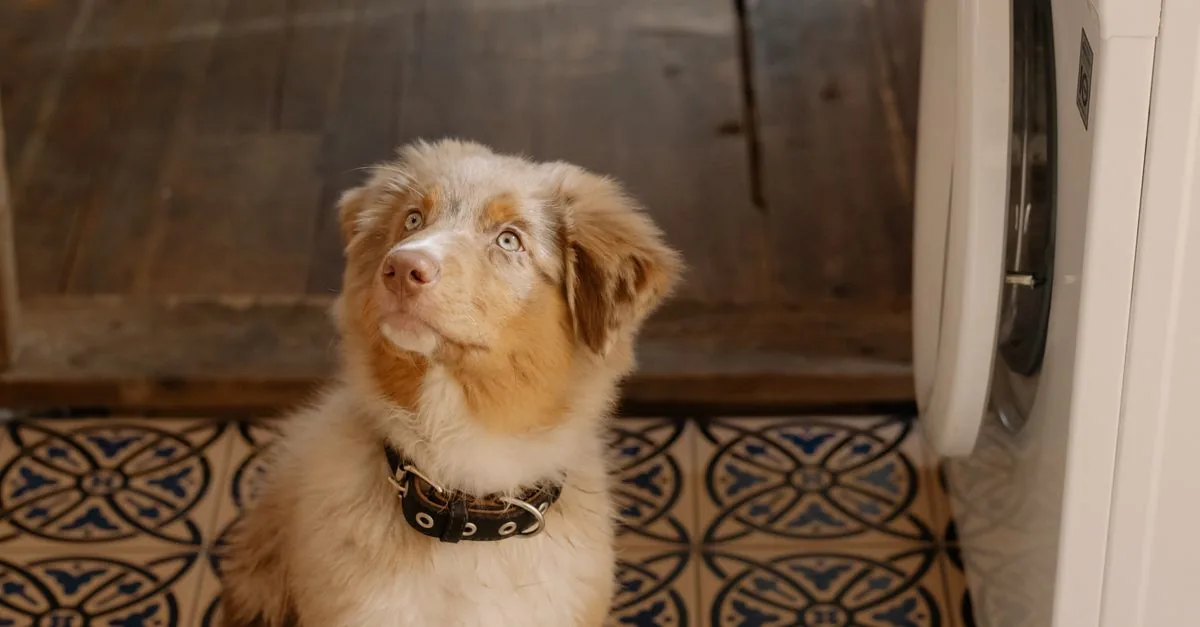
Puppy house training is built on a regular outdoor schedule, rewarding toileting outside, and reacting calmly to accidents indoors. A puppy is not being naughty - its bladder is simply too small to hold for long. Most puppies are reliably house trained between 4 and 6 months of age.
A new puppy in the house means an intense few weeks - multiple trips outside at odd hours, moments of triumph when the puppy toilets in the right place, and accidents that happen despite your best efforts. This is normal. House training is not an endurance test of patience - it is a matter of having the right system, being consistent, and understanding how a puppy's brain and bladder actually work.
Why Does a Puppy Toilet Indoors?
Before you build new habits, it helps to understand: a puppy is not being spiteful or testing you. It simply:
- Has a very small bladder - it physically cannot hold for long. This is a physical limitation, not a behavioural one.
- Lacks conscious control over its bladder and bowel - this develops gradually over the first few months.
- Does not know the rules yet - you are teaching them from scratch.
Accidents indoors are part of the process. The question is not how to eliminate them entirely but how to build the habit of going outside.
The Outdoor Schedule - the Foundation
What those first outings look like is covered in our guide to walking a puppy.
A regular schedule is the single most important tool in house training. A puppy needs to go out:
| When | Why |
|---|---|
| After waking up | Bladder is always full after sleep |
| After every meal | Eating stimulates the gut (usually 5-20 minutes after) |
| After play | Activity speeds up the need |
| After a nap | Same as after overnight sleep |
| Every 1.5-2 hours during the day | For puppies up to roughly 10-12 weeks |
A guideline recommended by many veterinary sources: age in months plus 1 = approximate hours between outings. A 2-month-old puppy can hold it for roughly 3 hours during the day - not necessarily at night.
At night puppies need outings less frequently (sleep slows the bladder), but in the first weeks many puppies still wake once or twice.
How to Reward Correct Behaviour
The reward must be immediate - within 2-3 seconds of the puppy finishing. Waiting until you are back indoors means the puppy will not connect the reward with the right location.
What works:
- Verbal praise - an enthusiastic "yes!", "good dog!", bright and genuine
- A small treat - something genuinely tasty
- Continued walk as reward - for many puppies, getting to keep exploring is reinforcement in itself
Over time the association builds: "I went outside, I toileted = good things happen." No magic required - just consistency.
Crate Training as a Tool
The crate arrives with the puppy - we set out the first days in your puppy's first day at home.
A crate is not punishment - introduced correctly it becomes the puppy's safe den. Dogs instinctively avoid soiling where they sleep, which makes the crate a useful tool for building bladder self-control.
Key rules:
- The crate must be the right size - big enough to turn around and stand up, but not so big the puppy can use a corner as a toilet area.
- Never use the crate as punishment - the puppy should not associate it with anything negative.
- Do not leave the puppy in the crate longer than it can hold it - that does not prevent accidents; it forces them and sets back training.
- Build up crate time gradually, starting with short sessions with the door open and treats scattered inside.
What to Do When There Is an Accident
Accidents will happen - this is certain. What matters is how you respond:
Do not:
- Shout at the puppy, rub its nose in the mess, or use physical punishment
- Punish after the fact - a puppy does not remember what it did a minute ago
- React with dramatic disappointment - it does not help and can build anxiety
Do:
- If you catch the puppy mid-act - say a calm "no" and immediately take it outside
- Clean the spot thoroughly with an enzyme-based cleaner - remaining scent encourages return visits to the same spot
- Think about what to adjust in the schedule - an accident is information, not a failure
How to Speed Up the Process
Several things noticeably shorten training time:
- Supervise actively - when a puppy roams unsupervised, accidents multiply. Under supervision or in the crate, you have control.
- Learn the warning signs - circling, sniffing the floor, squatting. You can intervene before the accident happens.
- Choose a consistent outdoor spot - the same familiar scent encourages repeat behaviour.
- Do not cut outdoor time short - if the puppy is excited and distracted on the walk, give it more time before coming back in.
For more on making early walks work well, see our article on walking a puppy. And for the broader picture of helping your puppy learn about the world, read about dog socialisation.
House training means a few intense weeks, then fewer accidents, then finally a dog that tells you when it needs to go out. Getting there systematically is worth it. And once you do - every walk becomes genuine pleasure rather than obligation. Use the DOGOUT map to find parks, off-leash areas, and calm routes near you, recommended by other puppy owners. Getting outside more often is good for training - and for both of you.
Frequently asked questions
- How often does a puppy need to go outside?
- Very often. Young puppies (8-12 weeks) need outings every 1.5-2 hours during the day. A common guideline: age in months plus 1 equals the approximate number of hours the puppy can hold it. This is a guideline, not a hard rule - every puppy is different.
- Can you punish a puppy for an accident indoors?
- No - and this is one of the most important points in the whole process. A puppy does not understand that it has done something wrong - it does not yet have conscious control over its bladder. Punishment only teaches the puppy to fear you, not where to toilet. It can add months to the training process.
- What is crate training and is it cruel?
- A crate, used correctly, becomes the puppy's safe den. Dogs instinctively avoid toileting where they sleep, which helps build bladder control. The crate must be the right size - large enough to turn around and lie down, but not so large that the puppy can use a corner as a toilet. A crate introduced positively is not punishment.
- When should I reward the puppy?
- Immediately after toileting outside - within 2-3 seconds. If you wait until you are back indoors, the puppy will not connect the reward with the right behaviour.
- Why does my puppy come inside and immediately wee?
- Usually because the puppy is too stimulated by the walk to focus on toileting outside. A longer, calmer time outdoors before coming back in often solves it.
- When will the puppy be fully reliable?
- Most puppies reach full reliability between 4 and 6 months of age, though some take a little longer. Accidents until then are a normal part of the process, not a failure.