How to Teach a Dog to Speak on Command
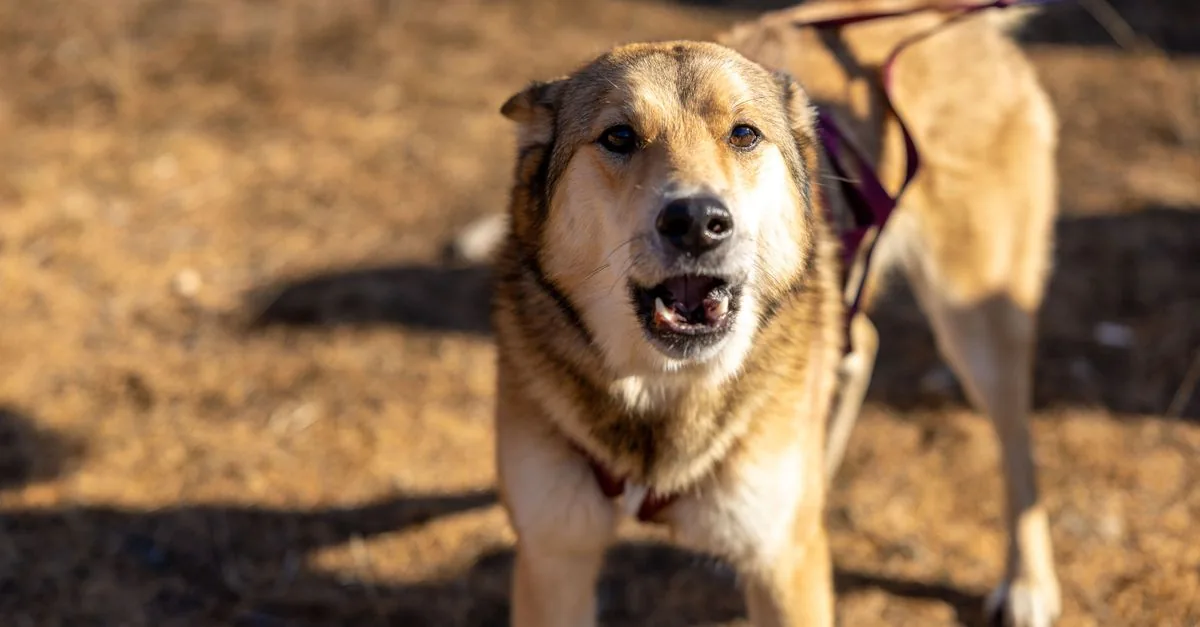
You teach the speak command by catching a natural bark - one your dog gives while excited, frustrated, or waiting for a toy - and rewarding it instantly with a marker word and a treat. After a dozen or so repetitions your dog starts linking the sound to the reward, and you add the verbal cue right before the bark happens. Most dogs get the basics in 1-3 weeks of short, daily 5-10 minute sessions.
How do you teach a dog to speak on command? The most reliable way is to catch a bark your dog already gives spontaneously - out of excitement, over a favorite toy, or from mild frustration - and reward it instantly along with a verbal cue. After a series of these repetitions your dog starts linking the sound to the reward, and you gradually take control of when the bark happens. It's one of the more entertaining tricks to teach - and a solid foundation for more advanced vocal commands later on.
Why teach the speak command at all?
Speak is more than a party trick. It teaches your dog control over its own voice - which matters when you later want to add a quiet command. The training also strengthens communication between you two: your dog learns to watch your cues instead of acting purely on impulse. For dogs that already bark a lot, this is a way to redirect that behavior into something you control, rather than fighting it blindly.
Step-by-step training method
Split the training into stages, and only move to the next one once your dog has solid grasp of the current step.
- Find a natural trigger. Watch for moments your dog barks on its own - holding a toy up high, waiting for a meal, or when someone knocks at the door. That's your starting point.
- Catch it and reward it. The instant your dog barks, say "yes" or click a clicker, then give a treat. Timing matters more here than anything else - the reward needs to land within 1-2 seconds of the sound.
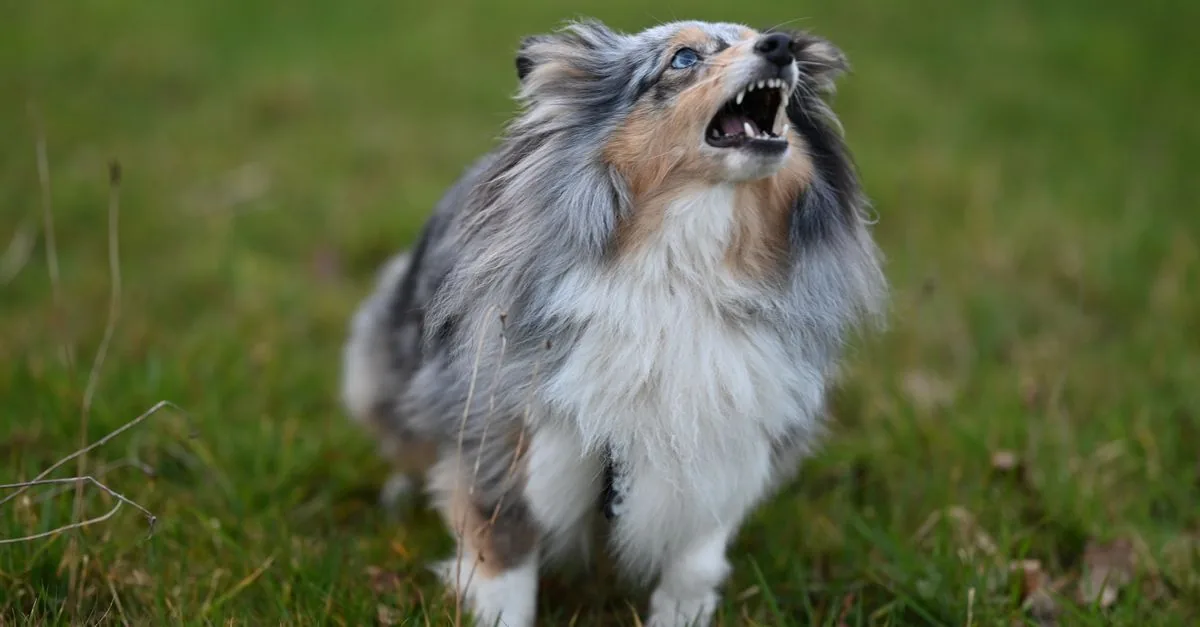
- Add the cue word. When you can tell a bark is coming - tense body, raised head - say "speak" right before the sound happens. After enough repetitions, the word starts to precede the behavior.
- Test without the trigger. Say the cue in a neutral situation, with no toy or food in sight. If your dog barks, reward it. If not, go back to step 3 for a few more days.
- Practice in different places. Move the training from your kitchen to the yard, then to a walk. Your dog needs to learn the cue works everywhere, not just where the treat jar lives.
Common mistakes when teaching speak
| Mistake | Result | Fix |
|---|---|---|
| Reward comes too late (several seconds) | Dog doesn't link the sound to the reward | Shorten reaction time, use a clicker |
| Rewarding every bark at home | Dog barks more than needed | Reward only barking that follows the cue |
| Dropping the trigger too soon | Dog doesn't understand the word alone | Stay on the trigger stage a bit longer |
| Low-value treats | No motivation to repeat the behavior | Use high-value rewards (cheese, chicken) |
| Training in one location only | Cue doesn't hold up on walks | Practice in 3-4 different locations |
Adding a quiet command afterward
Once your dog reliably responds to speak, you can move on to the flip side - a quiet command. Wait for your dog to bark on cue, then wait for a natural, even split-second pause in the sound. Say "quiet" right then and reward the silence. Gradually extend how long the pause needs to last before the treat comes. This speak-plus-quiet pairing gives you real control over barking, instead of just trying to suppress it. If your dog barks excessively outside of training - at the mailman, at neighbors, at nothing in particular - it's worth reading a dedicated guide on how to stop excessive dog barking, since that's a different training track than teaching a cue.
Can puppies learn to speak too?
Yes, though it helps to wait until a puppy already has the basics down - sit and stay - so it can focus on one new thing at a time instead of everything at once. Puppies tend to bark more readily than adult dogs, so you'll get more chances to catch and reward a natural bark. Shorter sessions - 3-5 minutes instead of 10 - work better too, since a young dog loses focus fast.
What to train next
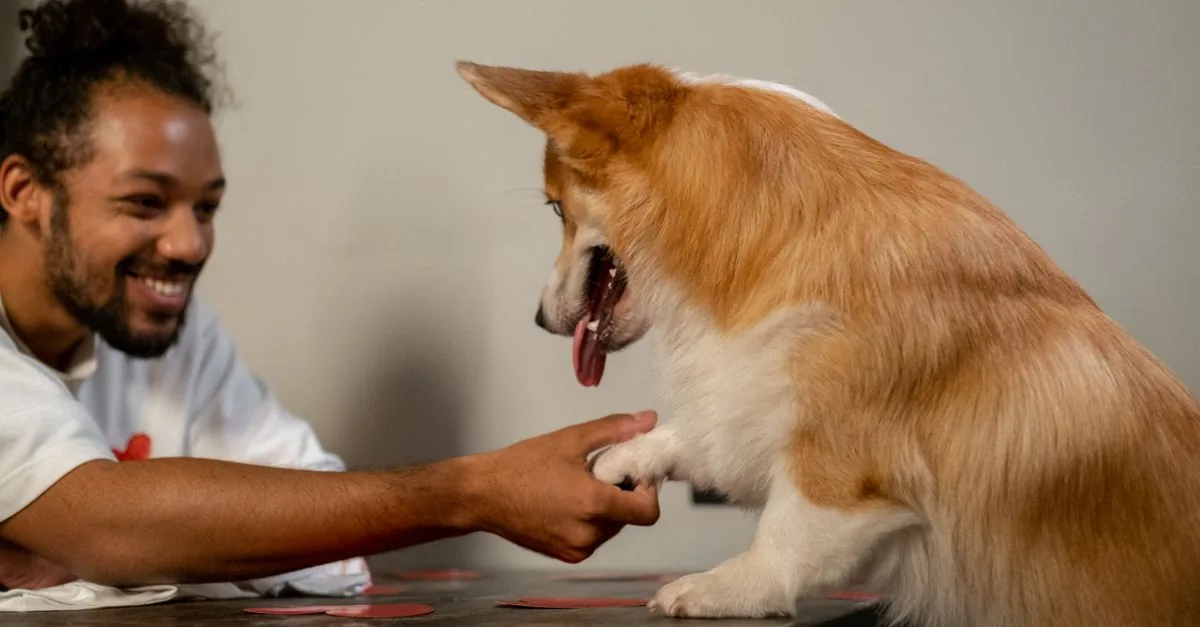
Speak pairs well with other vocal tricks and basic obedience. If you're just starting out with commands, it's worth solidifying the fundamentals first - like teaching your dog to shake hands or fetch - before moving on to more advanced vocal tricks. Training tends to go better once your dog has already had a proper walk - a tired dog learns calmer and focuses better than one that's bursting with pent-up energy.
Looking for a spot for a quick training session outdoors instead of four living-room walls? Check the DOGOUT map - you'll find parks and green spaces flagged by other owners near you, perfect for practicing commands and maybe meeting the local pack along the way. Get out there, run through a few cues, and see who else is walking nearby.
Frequently asked questions
- How do I teach my dog to speak on command?
- Catch a bark your dog gives naturally - out of excitement, while playing, or when it wants something - and say the cue word right as it happens, followed by an instant reward. After enough repetitions your dog starts barking on the cue alone, without needing the original trigger.
- How long does it take to teach the speak command?
- Most dogs pick up the basics in 1-3 weeks of short, daily 5-10 minute sessions. The pace depends on your dog's temperament, how motivated it is by the reward, and how often it barks spontaneously in the first place.
- Can every dog learn to speak on command?
- Almost any dog can, though the learning speed varies. Naturally vocal breeds - some terriers, spitz types, herding breeds - tend to pick it up faster because they give you more chances to catch and reward a bark. Quieter dogs need more patience and a cleverer trigger.
- Will teaching speak make my dog bark more overall?
- Not if you train it correctly. The key is rewarding barking only on cue and pairing it with a consistent quiet command. Problems show up when every bark gets rewarded indiscriminately - that's when a dog learns that noise in general pays off.
- How do I add a quiet command after speak?
- Wait for your dog to bark on cue, then wait for a natural pause in the sound - even a split second - and say 'quiet' while rewarding the silence. Gradually extend how long the pause needs to last before the reward. This works best once your dog already knows speak, since you control exactly when the barking starts.
- Why won't my dog bark on command even after training?
- The usual culprits are a reward that isn't exciting enough, too much distraction in the environment, or skipping the early stage where you catch a natural trigger. Go back to rewarding spontaneous barks and use a higher-value treat.