Why Do Dogs Howl - The Real Reasons
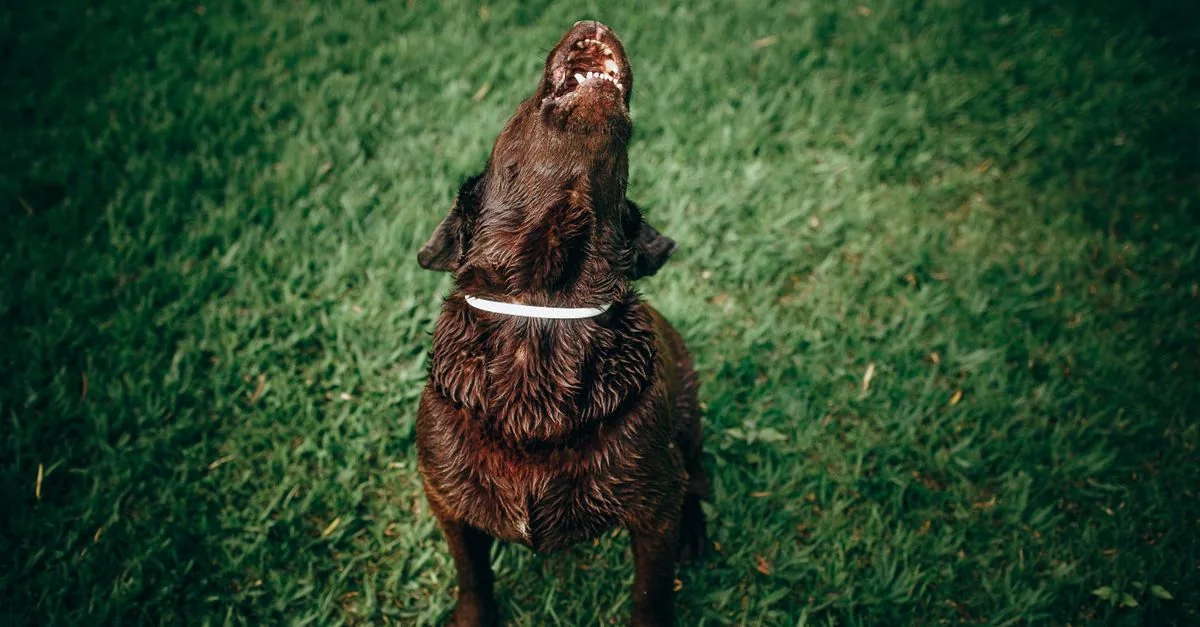
Dogs howl for three main reasons: they are reacting to a sound (sirens, music, other dogs), communicating over distance, or feeling anxious about being left alone. Howling is a natural, wolf-inherited behavior - not a sign of anger or illness. If your dog only howls when left alone and shows other signs of distress, separation anxiety is worth looking into.
Howling can catch you off guard - especially when your dog suddenly does it, loudly, with no obvious cause in sight. Before you write it off as a problem, it helps to know that why do dogs howl has a fairly specific answer: it is one of the oldest forms of communication in the canine world, inherited directly from wolf ancestors.
Where does howling actually come from?
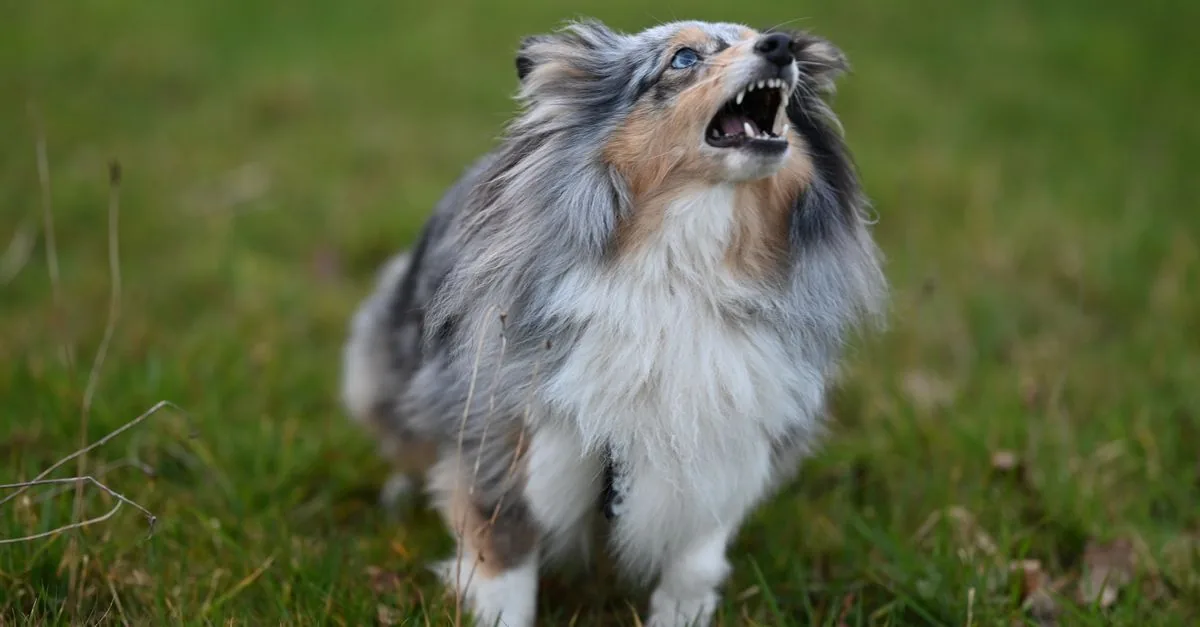
Wolves howl to mark territory, call a pack scattered across a wide area, and stay in contact over distances that barking simply cannot cover. Domestication reshaped a lot of dog behavior, but this mechanism stuck around - especially in breeds closely related to wolves. Howling travels farther than barking and sits at a different frequency, which is why nearby dogs pick it up from a long way off and often answer in kind.
That explains a scene familiar to anyone living near other dogs: one dog howls somewhere on the street, and within seconds several more join in. That is not coincidence or "catching boredom" - it is a pack response baked into the species.
Why do dogs howl - the most common concrete reasons
Here is a breakdown of the situations where howling shows up most often, along with what usually triggers it.
| Situation | What's happening |
|---|---|
| High-pitched sounds | Sirens, certain instruments, a phone ringtone can resemble another dog's howl |
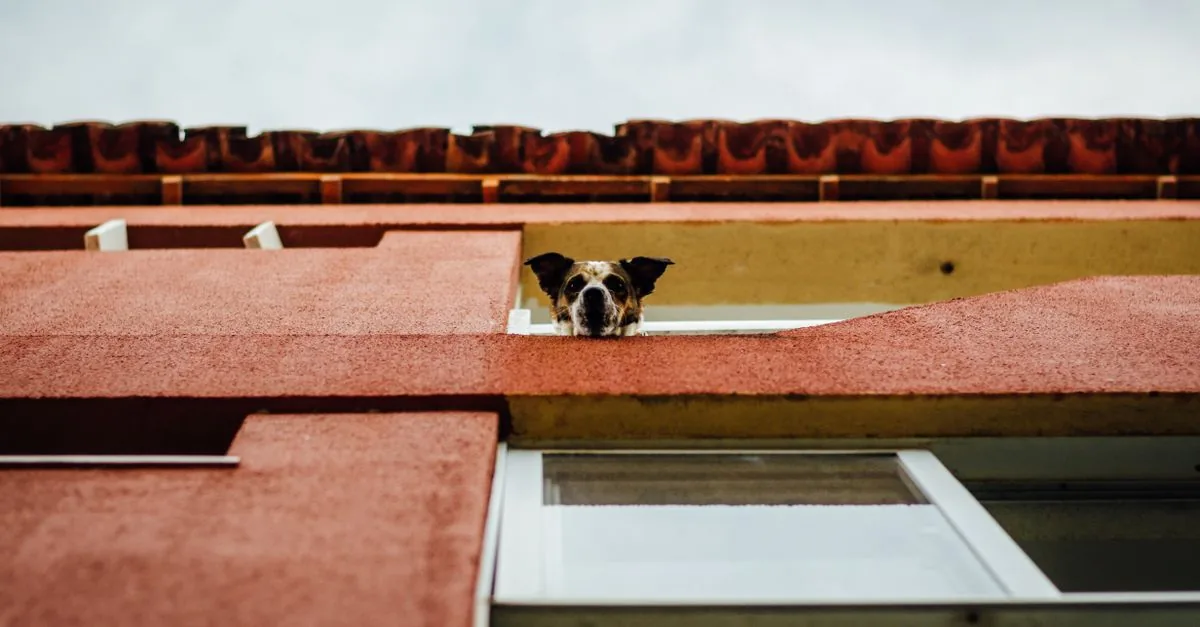
| Loneliness / separation anxiety | Your dog is alone and trying to "call" the pack back |
| Communication with other dogs | Responding to a neighboring dog's howl or bark, signaling presence |
| Pain or discomfort | Sudden howling in a dog that never howled before, especially seniors |
| Excitement | Some dogs howl out of excitement before a walk, at the sight of a leash |
| Instinct / genetics | Breeds like Huskies or Beagles howl more often regardless of context |
In practice, the most common daytime trigger is a sound-based one - an ambulance or fire truck siren is a classic culprit, since its pitch resembles the frequency of another dog's howl. Your dog is not "scared" of the siren - it is responding the way it would respond to another member of the pack.
Why does my dog howl at night?
Nighttime howling usually has a different backdrop than daytime howling. In the quiet of night, sound carries farther and your dog simply hears more - distant dogs, wildlife, street noise that daytime traffic would normally drown out. That is the simplest explanation for why dogs howl at night more than during the day.
The second, more important reason is separation anxiety - if your dog only howls when left alone (including at night, if you sleep in a different room), and it comes paired with scratching at doors, pacing, or destructive behavior, that is a signal your dog needs help coping with being apart from you. We cover this in detail in our guide to separation anxiety in dogs - worth a read if the howling shows up alongside other stress signs.
Older dogs can also howl at night due to age-related disorientation (cognitive dysfunction syndrome) or joint pain that worsens after long periods of lying down. If your dog never used to howl and suddenly starts in its senior years, it is worth checking with a vet rather than waiting for it to pass on its own.
Howling vs. barking - not the same behavior
It's worth telling these two sounds apart, since they have different causes and different fixes. Barking is usually a reaction to something happening right now - someone at the door, movement outside the window - and it can also be a bid for attention. Howling more often serves as long-distance communication or a response to a similarly pitched sound. If barking, not howling, is your main issue, take a look at our guide on how to stop a dog barking - the training approach overlaps but the emphasis differs. A related read is dog barking at night, where we break down the difference between alertness and anxiety.
When is howling a warning sign?
Howling on its own is rarely cause for concern - it's a natural, species-wide behavior. Still, pay attention if:
- your dog suddenly starts howling despite never having done it before,
- the howling comes with loss of appetite, reduced activity, or a change in gait,
- howling only happens when you're not home and is paired with destructive behavior, escape attempts, or drooling at the door,
- your dog is a senior and the howling comes with disorientation, wandering around the house, or a disrupted sleep pattern.
In any of these cases, it's worth checking in with a vet or a behaviorist - howling can be the only visible sign that something has shifted in your dog's wellbeing.
What to do if the howling bothers neighbors or the household
Fully eliminating howling is hard, since it's instinctive, but you can dial it back:
- Identify the trigger - watch what happens right before the howling (a sound, being alone, time of day).
- Don't respond by yelling - a raised voice reads to your dog as joining in the howl, not as a correction.
- Add more stimulation during the day - a dog that's physically and mentally tired is less likely to react nervously to background sounds.
- Work on being alone gradually - short, controlled absences rewarded for calm behavior, rather than jumping straight to a few hours alone.
- Consider a behaviorist if the howling is intense, frequent, and doesn't ease up with your own efforts.
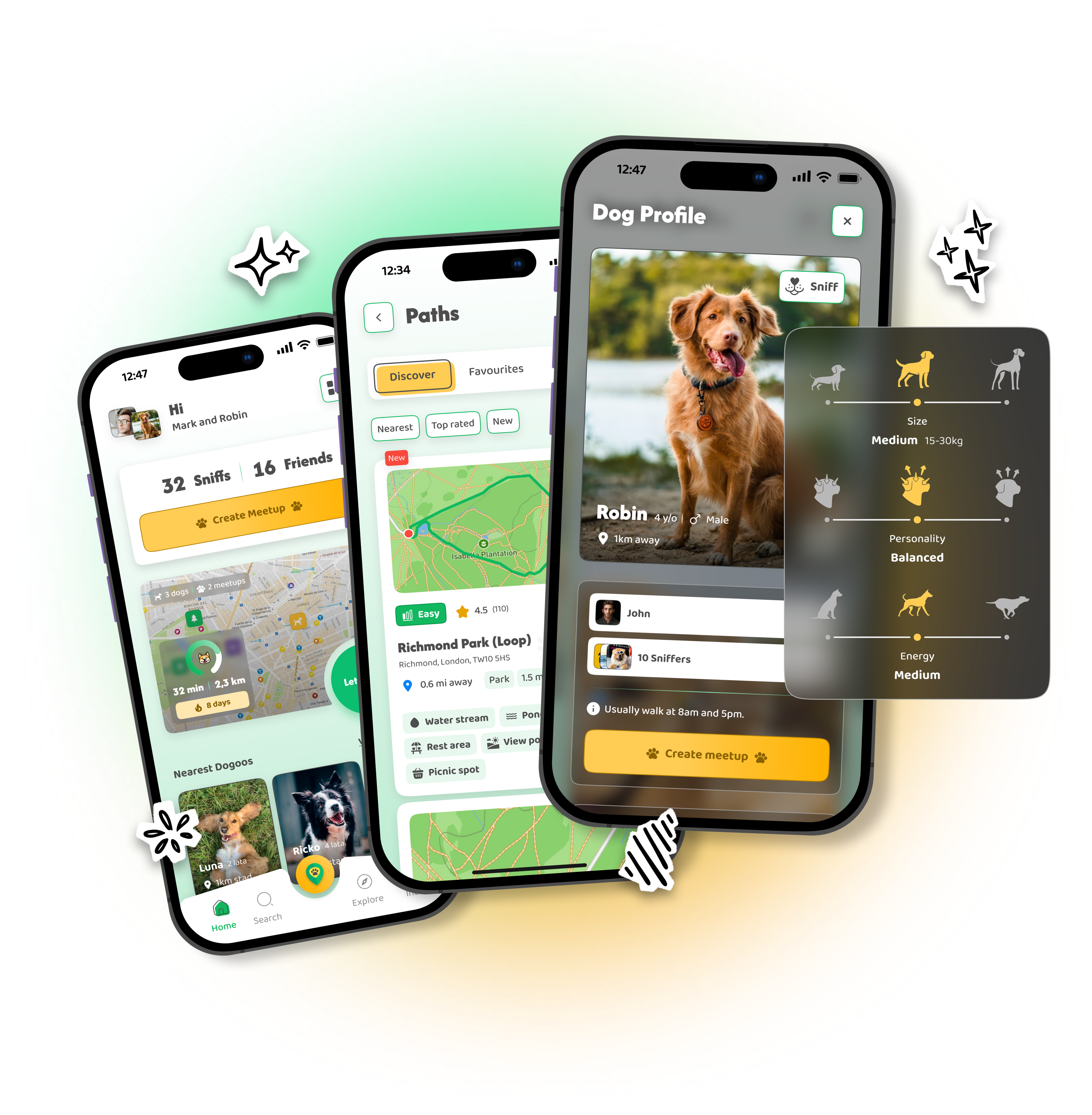
Regular, varied walks and contact with other dogs genuinely lower the anxiety levels that often sit behind howling - a tired, well-socialized dog simply has fewer reasons to "call out" to the pack. If you're looking for good places for a longer walk, or you'd rather your dog actually meet the neighborhood dogs instead of howling at them through a fence, check the DOGOUT map - you'll find real walking spots plus people and dogs out walking near you, ready to meet up with one tap.
Howling is a language dogs were speaking long before they ever moved in under our roofs. Instead of trying to shut it down, it's worth understanding it - and if you catch something off early, you'll be quicker to help your dog find its calm again.
Frequently asked questions
- Why does my dog howl for no reason?
- It almost never happens for no reason - you just cannot see the trigger. Your dog may be hearing a sound outside your own hearing range (a distant siren, other dogs, a high-pitched instrument), picking up a scent, or reacting to a discomfort you have not noticed yet. Watch what happens right before the howling starts and you will usually find a clear trigger.
- Why does my dog howl at night?
- Night amplifies sound - sirens, neighborhood dogs, traffic noise - and a quiet environment makes your dog more likely to react to them. Nighttime howling can also point to separation anxiety if your dog is left alone, or to physical discomfort in older dogs who sleep less soundly.
- Does howling mean my dog is in pain?
- Howling on its own is not proof of pain, but in senior or chronically ill dogs it can accompany it - especially if it starts suddenly in a dog that never howled before, alongside changes in appetite, activity level, or gait. In that case, talk to your vet rather than assuming it is just a new habit.
- How do I stop my dog howling at sirens?
- You can rarely eliminate this reaction completely since it is instinctive, but you can soften it through desensitization - playing siren recordings at low volume and rewarding calm behavior, gradually increasing the volume over time. The key is not to yell when your dog howls, since raised voices read as joining in, not as correction.
- Do puppies howl more than adult dogs?
- Yes, puppies often howl intensely during their first weeks in a new home - a natural reaction to separation from their litter and an unfamiliar environment. It typically fades as socialization progresses and the puppy builds confidence, which we cover in our guide to socializing a puppy.
- Which breeds howl the most?
- Breeds closely related to wolves or bred for vocal work - Siberian Huskies, Alaskan Malamutes, hounds, Beagles, and some herding breeds - howl noticeably more often than, say, Bulldogs or Pugs. It comes down to genetics and breed history, not a worse temperament.