Australian Shepherd Temperament - Energy, Traits, and Who It Suits
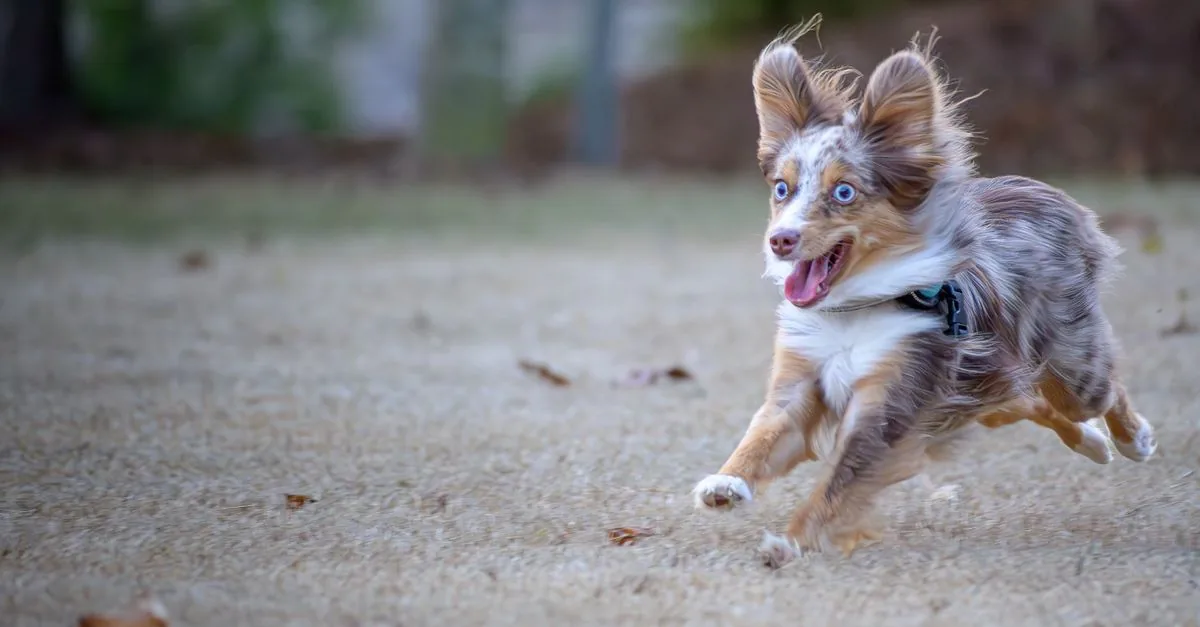
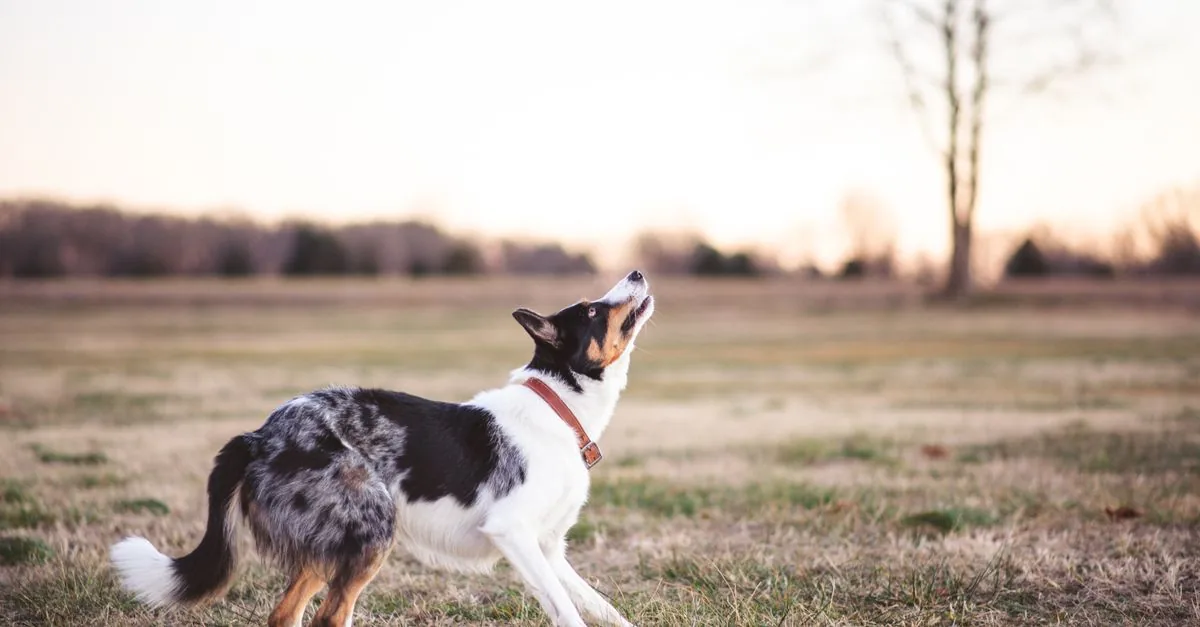
The Australian Shepherd is a highly intelligent, high-energy herding dog that needs a real job for both body and mind every single day. It bonds hard to its owner, learns astonishingly fast, and thrives on tasks, but without enough exercise and mental work it quickly becomes frustrated. It tends to be reserved with strangers and carries a strong herding instinct. This is a breed for active people ready for training and dog sports, not for quiet afternoons on the sofa.
The Australian Shepherd, or aussie for short, is one of those dogs that looks like a magazine cover and learns faster than most owners can invent the next task. But behind that striking looks sits a working herding dog with enormous needs, and those needs decide whether the breed fits your life. Before you fall for the merle coat and amber eyes, read what living with an aussie actually involves.
Where the Australian Shepherd comes from
Despite the name, the breed wasn't developed in Australia but in the United States, where it was shaped to work livestock on ranches along the west coast. The name refers to the sheep imported from Australia that the dogs worked alongside. The aussie was bred for all-day effort: herding, guarding, and reading the smallest signal from its handler.
That heritage explains almost everything about its character. The Australian Shepherd wasn't bred to lie at your feet - it was bred to work in constant contact with a person. Hence its alertness, its readiness to act, and its need to be involved in whatever its owner is doing.
Key temperament traits
Intelligence is the breed's calling card. An aussie picks up new cues in a handful of repetitions. That's a huge asset in training and also a trap: the dog learns unwanted things just as fast and invents its own entertainment when bored.
Strong attachment to its owner means the aussie wants to be close and involved in your day. It's often called a "velcro dog" because it follows its person from room to room. It copes poorly with long stretches of being left alone.
Herding instinct doesn't disappear without sheep. An aussie may try to round up children, cyclists, other dogs, even the vacuum cleaner. This isn't naughtiness - it's a hardwired pattern that has to be channelled deliberately.
Reserve with strangers is natural in a herding and guarding breed. A well-socialised aussie is polite but not effusive with people it doesn't know - this is not a labrador that greets everyone like a friend.
| Trait | Description |
|---|---|
| Energy level | Very high - needs intense daily exercise |
| Intelligence and trainability | Outstanding - learns very quickly |
| Attachment to owner | Very strong - dislikes being alone |
| Attitude to strangers | Reserved - alert, not effusive |
| Herding instinct | Strong - tendency to round things up |
| Tendency to bark | Medium to high - an alert watchdog |
| Need for mental stimulation | Very high - boredom breeds problems |
How much exercise and mental work an aussie needs
There's no room for understatement here: the Australian Shepherd is one of the most demanding breeds when it comes to activity. An adult dog needs a minimum of 1.5 to 2 hours of exercise a day, plus regular mental work.
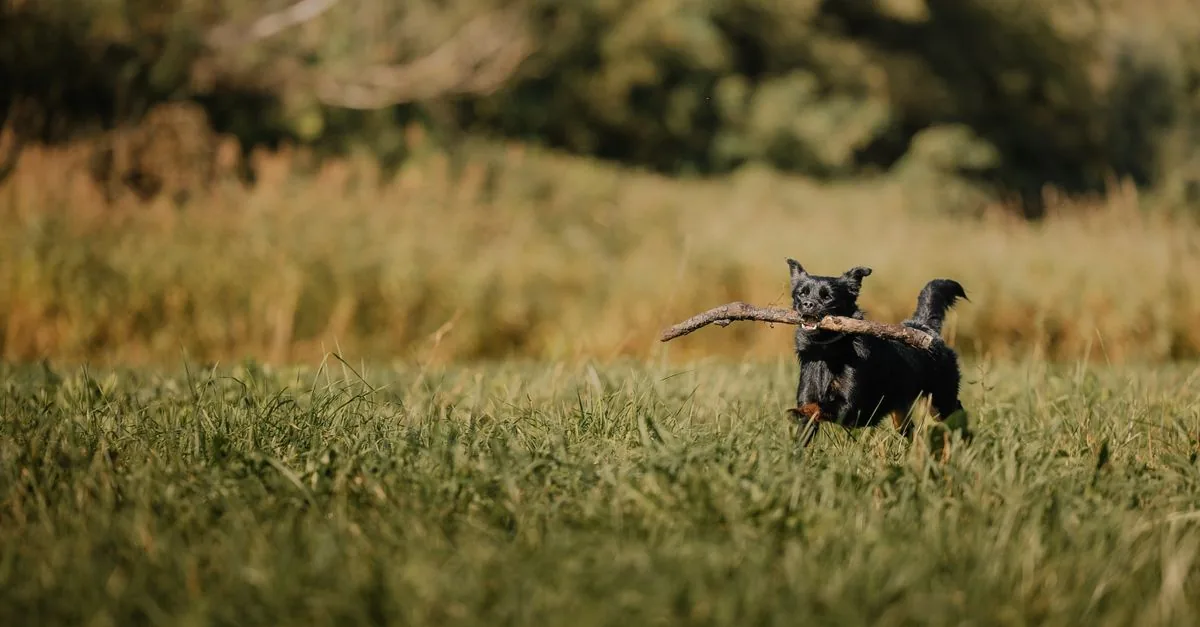
- Physical exercise: long walks, running, fetch, swimming, and dog sports such as agility, frisbee, or dogtrekking.
- Mental work: learning cues and tricks, snuffle mats, puzzle toys, scent work, and obedience training.
- Meaningful tasks: the aussie thrives when it has a "job" - targeted training, searching for hidden objects, or learning new sequences.
The key rule: running alone isn't enough. If you only drive the body, you'll raise a dog with the fitness of an athlete that is still frustrated. Tiring the brain counts at least as much as tiring the muscles. For practical ideas, see our guide on how to tire out a dog indoors.
An under-occupied aussie slides very quickly into behaviour problems: obsessive herding, barking, destruction, and hyperactivity. If that sounds like your dog, our article on the hyperactive dog is worth a read too.
Who the Australian Shepherd is and isn't for
Let's be blunt - this is not a breed for everyone.
An aussie suits you if:
- You live an active life and want a dog for running, hiking, or dog sports.
- You have the time and appetite for daily training and mental work.
- You enjoy an engaged dog that wants to work with you.
- You're ready for consistency and socialisation from the first weeks.
An aussie may be a poor choice if:
- You spend many hours away from home and the dog is left alone with nothing to do.
- You want a calm companion dog that will settle on the sofa.
- You lack the time or ideas for daily training and activity.
- You want a dog that is instantly friendly with all strangers.
Health and grooming
Australian Shepherds live on average 12 to 15 years. The breed is generally healthy but carries a few characteristic risks. The most important is the MDR1 gene mutation, which causes sensitivity to certain medications - so always tell your vet the breed before any drug is given. Aussies also see more eye conditions (including collie eye anomaly), hip and elbow dysplasia, and epilepsy. Responsible breeding with health-tested parents lowers these risks significantly.
The dense, double coat needs regular brushing, usually 2 to 3 times a week, and more often during shedding season. Aussies shed heavily twice a year, so a vacuum cleaner becomes a permanent companion.
Socialisation and raising an aussie
The aussie's intelligence is a double-edged sword. Well guided, it's one of the most rewarding dogs to train. Poorly guided, it can build habits in a few weeks that are hard to undo. That's why socialisation and basic training should start from the first days at home.
Focus especially on habituating it to movement: bikes, scooters, running children, and other dogs are natural triggers for the herding instinct. Teaching a calm response to these things while it's young saves you a great deal of trouble later. It's also worth teaching an aussie to "switch off" from the start - a dog that knows a settle cue and can wind down is far easier to live with than one stuck permanently at full throttle.
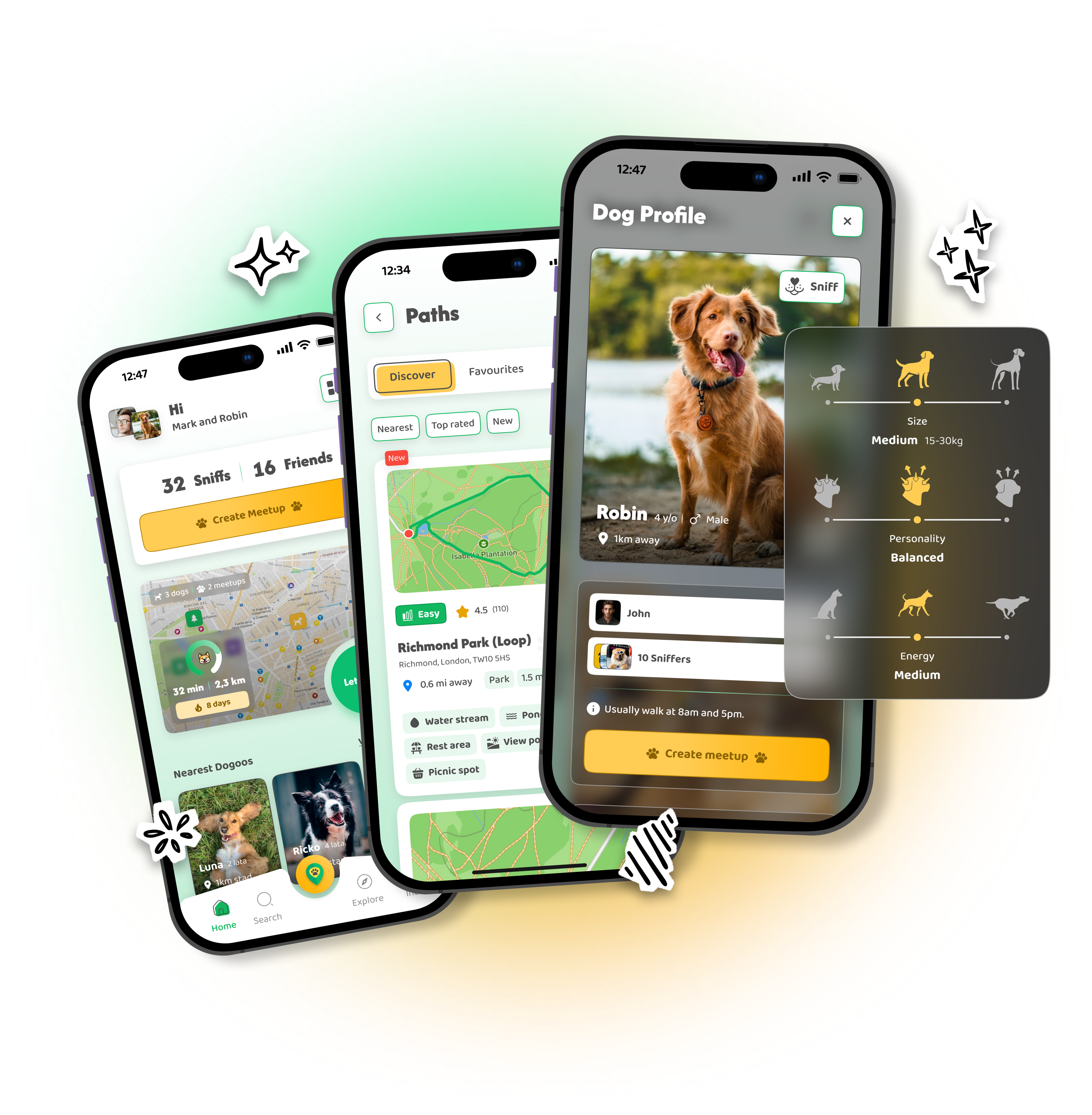
The Australian Shepherd gives an enormous amount, but it charges you for every hour of boredom. If you're looking for a partner for an active life and you genuinely have time for it, the aussie repays you with devotion, brilliance, and energy that many a younger dog would envy. If you want to find nearby trails, open spaces, and other active owners to walk with, open the map in the DOGOUT app and plan your first outing.
Frequently asked questions
- Is an Australian Shepherd good for apartment living?
- Yes, but only with a genuinely large amount of daily exercise and mental work. Floor space matters less than how much activity you actually provide. An aussie shut in with nothing to do will bark, herd the household, and become destructive, so without a real plan for daily exertion, a calmer breed is a better fit.
- How much exercise does an Australian Shepherd need?
- An adult aussie needs at least 1.5 to 2 hours of activity a day, and not just lead walks. Running, obedience training, dog sports, scent work, and cue-based tasks all count. Physical exercise alone isn't enough - this dog tires out mainly through its brain.
- Is an Australian Shepherd good with children?
- It can be a wonderful family dog, but its herding instinct means it may try to round up running children, sometimes nudging them or gently nipping at heels. It needs socialisation from puppyhood and supervision around small kids. With thoughtful handling it is devoted and patient.
- Do Australian Shepherds bark a lot?
- They are prone to barking, especially when bored, guarding territory, or trying to herd. This is an alert dog that comments on movement around the home. Enough activity plus training an interrupt cue for barking greatly reduces the problem.
- How long do Australian Shepherds live?
- Australian Shepherds live on average 12 to 15 years. It's a relatively long-lived breed, though it carries a risk of eye conditions, joint dysplasia, and a drug sensitivity linked to the MDR1 gene mutation. Regular checks and responsible breeding matter a great deal.
- Is an Australian Shepherd hard for first-time owners?
- For a complete beginner it can be a challenge - its intelligence and energy demand consistency and a daily plan for keeping it busy. Someone who has never worked with a dog may struggle to keep up with its needs. It can be a first dog, but only with a real willingness to learn and genuine time for activity.