Border Collie Temperament - what you need to know before getting one
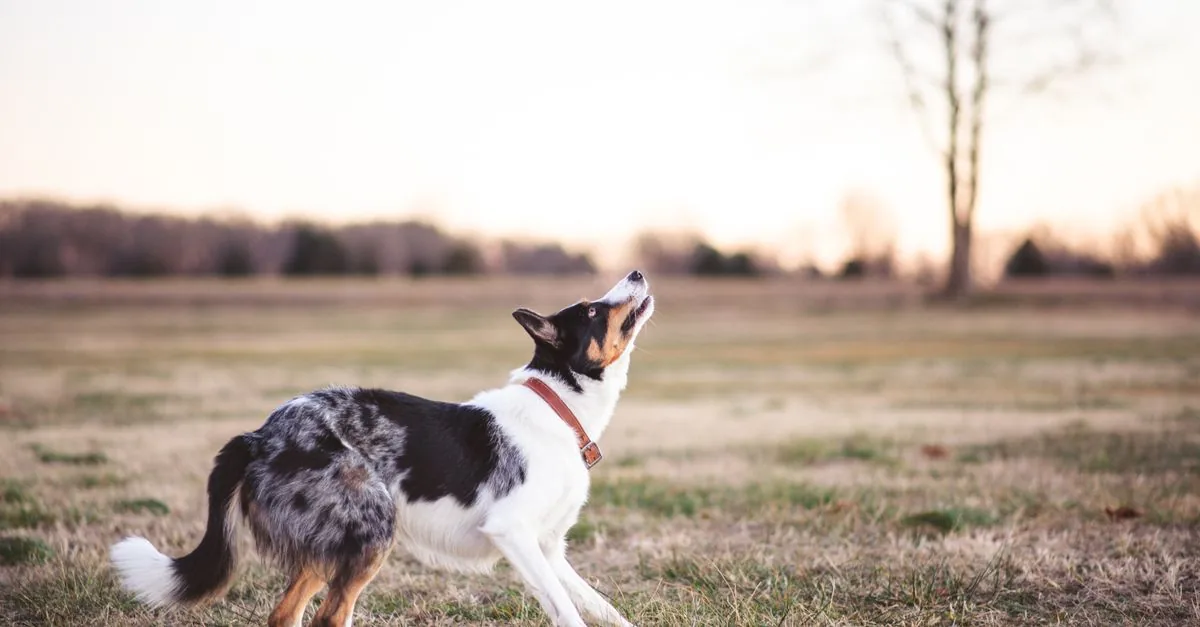
Border Collies are exceptionally intelligent, intensely energetic, and deeply work-oriented dogs. They need at least 2 hours of vigorous exercise daily plus consistent mental stimulation. A Border Collie thrives with an active, experienced owner who can provide structure and a job - but is a poor fit for sedentary households or first-time dog owners.
A Border Collie can learn a new command in a handful of repetitions, read your mood before you name it, and move a flock of sheep across a hillside with nothing but eye contact and body pressure. This is the breed - extraordinary, demanding, and absolutely not for everyone.
What defines Border Collie temperament?
Three words capture it: intelligence, work-drive, intensity. Border Collies were bred over centuries for demanding herding work along the Scottish-English border. Every trait in their character flows directly from that selection pressure.
According to Stanley Coren's landmark intelligence research, Border Collies rank first among all dog breeds in working and obedience intelligence. They can learn a new command in fewer than five repetitions and execute it reliably on first command over 95% of the time.
That sounds impressive - because it is. But bear in mind: a highly intelligent dog that lacks tasks will find its own. Your shoes, sofa upholstery, garden - consider yourself warned.
Border Collie character traits at a glance
| Trait | Description |
|---|---|
| Intelligence | Exceptionally high - ranked no. 1 |
| Energy level | Very high - needs min. 2 h vigorous activity daily |
| Herding instinct | Strong - may herd children, bikes, other animals |
| Bond with owner | Deep, often fixated on one primary person |
| Trainability | Very high - learns at remarkable speed |
| Boredom tolerance | Very low - becomes destructive without stimulation |
| Sensitivity | High - attuned to the owner's mood and body language |
The herding instinct - your biggest context clue
The Border Collie's famous intense gaze - "the eye" - is not a personality quirk. It is a functional herding tool refined over generations of selective breeding. Dogs use it to control flock movement through sustained eye contact and body pressure.
In a domestic setting, that instinct does not disappear. It shows up as:
- circling or chasing children, cyclists, joggers, or other animals
- flanking movement around groups of people
- nipping at the heels of anyone "breaking away" from the group
- anxious pacing when unable to control movement around it
This is normal breed behavior, not a character flaw. It can be channeled - through sport, agility, nose work, fetch, frisbee - but it cannot be trained away entirely. If you have young children or other small animals, early socialization and structured training from puppyhood are non-negotiable.
How much exercise does a Border Collie actually need?
There is no softening this. Border Collies were bred as working dogs; their exercise requirements are among the highest of any breed.
The minimum is 2 hours of vigorous activity per day. Not leash walks around the block - running, fetch, agility, training sessions, scent work, frisbee, or structured play. Many experienced Border Collie owners and breed experts suggest 2-3 hours for young adults.
On top of physical exercise, they need mental stimulation: puzzle toys, learning new tricks, nose work, problem-solving tasks. A Border Collie that is physically tired but mentally idle can still be restless and difficult.
Activities Border Collies tend to excel at and love
- Agility - combines physical output with split-second decision-making
- Disc dog (frisbee) - uses speed, body awareness, and anticipation
- Flyball - team relay sport that channels herding energy productively
- Nose work and tracking - exhausts the brain even without hard physical effort
- Obedience and trick training - feeds the hunger to learn
Looking for trails and open spaces to keep your Border Collie properly exercised? Making walks more varied is not optional with this breed - it is how you keep them sane.
Who should and should not get a Border Collie
This is arguably the most important question the article can answer.
A Border Collie is likely a good fit if you:
- are genuinely active and spend significant time outdoors
- can commit to daily training and structured activity - not occasional weekends
- want a deep, collaborative relationship built on communication and teamwork
- are interested in dog sports, nose work, or similar activities
- have prior experience with dogs and understand what consistent handling requires
A Border Collie is likely a poor fit if you:
- work long hours and the dog would be home alone most of the day
- lead a predominantly sedentary lifestyle
- want a dog content with shorter, calm outings
- are getting your first dog - gain experience with a less demanding breed first
- do not have reliable access to spaces where the dog can run freely
This is why Border Collies rarely appear at the top of lists of best dogs for apartments - it is not about space, it is about the lifestyle required.
Size, coat, and lifespan
Border Collies are medium-sized dogs. Males stand 48-56 cm at the shoulder and typically weigh 14-20 kg; females are slightly smaller. The breed lives 12-15 years on average, with many reaching 17-18 years - placing them among the more long-lived medium breeds.
Coats come in two lengths (rough and smooth) and a wide range of colour combinations - black and white being the most common, but also tricolour, blue merle, red and white, and others. Rough-coated dogs need regular brushing to prevent matting; smooth-coated dogs are considerably lower maintenance on that front.
A breed that changes your life - for better or worse
Border Collies form unusually deep bonds with their people, learn at a pace that can feel astonishing, and can become genuine partners in sport, activity, and daily life in a way that few breeds match.
But they will not accept half-measures. Give them movement, tasks, contact, and structure - and you will have one of the most rewarding relationships you can have with a dog. Skip those needs, and an intelligent, frustrated Border Collie will find creative ways to make that felt.
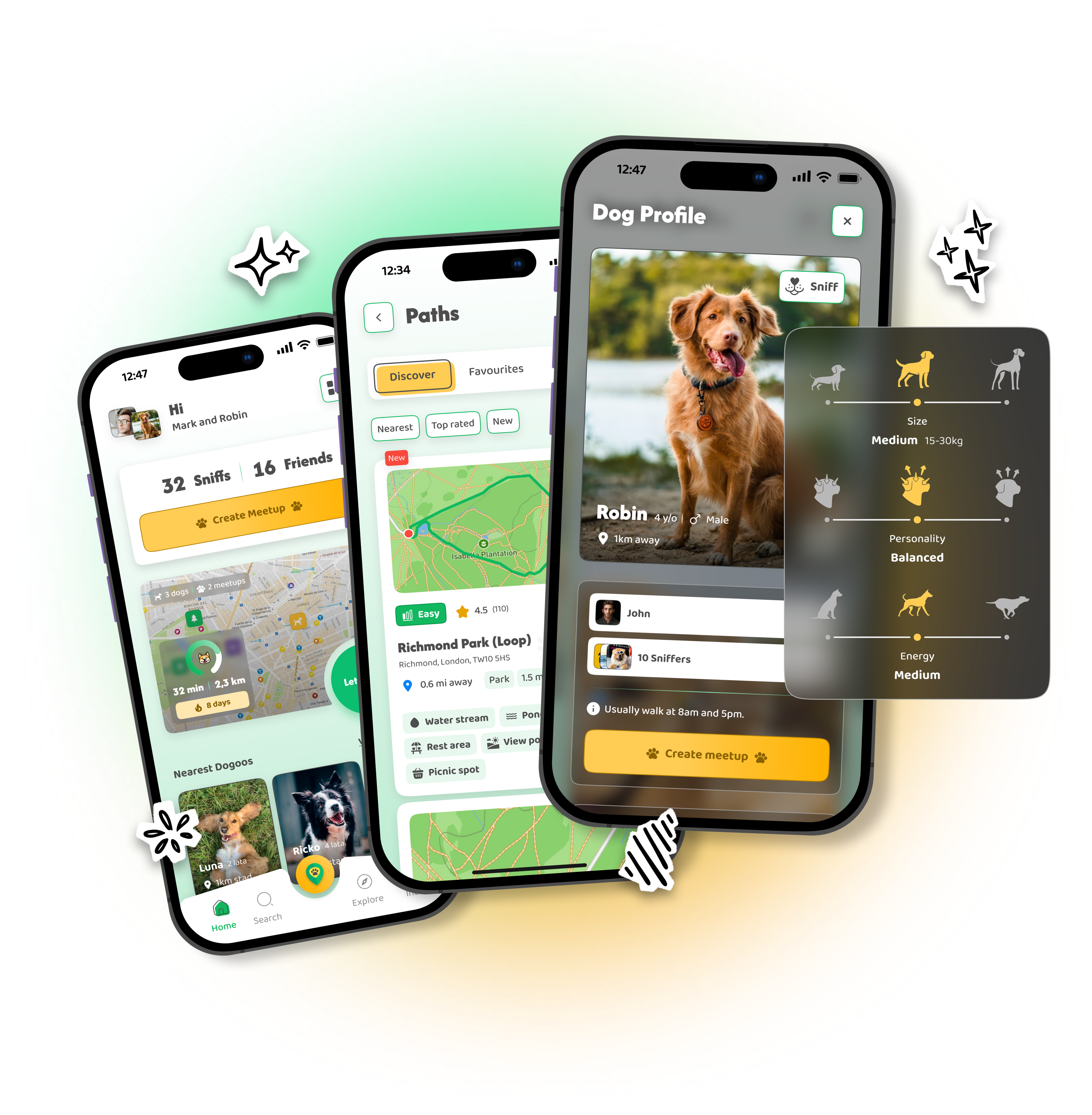
If you have a Border Collie and want to find off-lead areas, parks, and active walking companions nearby, the DOGOUT map is the quickest way to discover spots marked by other owners and arrange walks with dogs that match your dog's energy and temperament.
Frequently asked questions
- Are Border Collies good family dogs?
- Border Collies can be excellent family dogs, but they need early socialization and consistent training. Their herding instinct can lead to nipping at heels or circling small children. With active children who respect the dog's boundaries and an owner committed to training, the combination can work very well.
- How much exercise does a Border Collie need each day?
- At least 2 hours of vigorous, varied activity daily - not just walks on a leash. Border Collies need running, fetch, agility, scent work, or other forms of engaged physical effort. Without enough activity, expect destructive behavior, excessive barking, and anxiety-driven problems.
- Can a Border Collie live in an apartment?
- Yes, if the owner provides sufficient outdoor activity. The size of the living space matters less than how much time the dog spends running and training outside. A Border Collie in a small flat with a highly active owner can thrive; a Border Collie in a large house with a sedentary owner will not.
- How intelligent is a Border Collie?
- Border Collies rank first in Stanley Coren's canine intelligence rankings, the most widely cited research on dog breed intelligence. They can learn a new command in fewer than five repetitions and obey on first command over 95% of the time. That intelligence is double-edged - an under-stimulated Border Collie will invent its own jobs.
- Are Border Collies suitable for first-time owners?
- Generally no. Their intelligence, energy, and sensitivity mean they need an experienced handler who can provide consistent structure. An inexperienced owner can quickly find themselves outpaced by the dog. It is usually better to gain experience with a less demanding breed first.
- How long do Border Collies live?
- Border Collies typically live 12-15 years, with some reaching 17-18 years. They are among the longer-lived medium-sized breeds.