Bloat (GDV) in Dogs - Symptoms and Acting Immediately
Bloat, or GDV, is an immediate life-threatening emergency in which a gas-filled stomach twists on itself and cuts off its own blood supply. It develops within minutes, mainly in large, deep-chested breeds. The most alarming signs are unproductive retching (the dog tries to be sick but nothing comes up), a swollen, hard belly, restlessness and drooling. This is not a situation to watch and wait on - with these signs, drive to a 24-hour emergency vet at once, because without surgery a dog can die within hours.
Bloat is one of those conditions where an owner's knowledge quite literally saves a life. It develops in a flash, mainly in large dogs, and within minutes turns a healthy dog into a critical patient. So rather than scare you, we want to equip you: to show what it looks like, why it's so dangerous, and what to do in the first minute. This is knowledge that should sit in the head of every large-dog owner.
What bloat (GDV) in dogs actually is
In short: the stomach fills with gas and fluid (dilatation), then rotates on its own axis (volvulus). The abbreviation GDV stands for "gastric dilatation-volvulus" - dilatation and twisting of the stomach.
The rotation is so dangerous because it seals off the entrance and exit of the stomach - the gas has no way out and the pressure climbs. A twisted stomach compresses major blood vessels, blocks blood returning to the heart, and cuts off the blood supply to its own walls and to the spleen. Tissues begin to die and the dog goes into shock. It's a cascade that, without surgical intervention, ends in death - and it happens faster than most people expect.
Symptoms you must not ignore
The key is spotting the first signals before the dog collapses. The table below organises the symptoms by how alarming they are in the context of GDV.
| Symptom | What it may mean | How urgent |
|---|---|---|
| Unproductive retching | Classic sign of a twisted stomach | Immediately |
| Rapidly swelling, hard belly | Gas build-up, dilatation | Immediately |
| Obvious restlessness, pacing | Pain, onset of an emergency | Immediately |
| Excessive drooling, gulping | Stomach obstruction | Immediately |
| Pale gums, fast shallow breathing | Shock | Immediately |
| Weakness, collapse | Advanced shock | Immediately |
Notice: with GDV there's no "mild" column. All of these signs mean one thing - go now. If it's a choice between calling and driving, do both at once: call the emergency clinic on the way so the team is ready for you.
Which dogs are most at risk
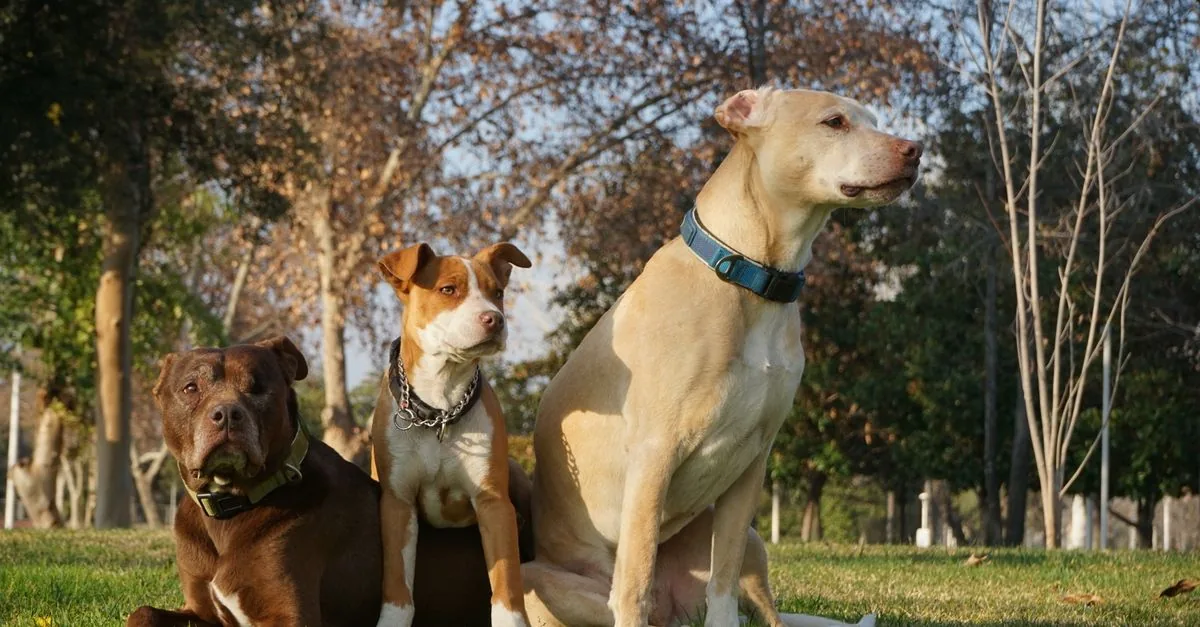
Bloat isn't spread evenly across the population. By far the most affected are large and giant breeds with a deep, narrow chest. In the higher-risk group are the Great Dane, setter, pointer, German Shepherd, Dobermann, Akita and Saint Bernard, among others. We cover the specifics of these dogs in our guide to large dog breeds.
Risk is also shaped by factors you can genuinely influence:
- fast, greedy eating and gulping air,
- one large meal a day instead of several smaller ones,
- vigorous exercise right after eating,
- age - risk rises in older dogs,
- stress and excitement at the bowl.
Belonging to an at-risk breed doesn't mean a dog will develop bloat - but it does mean you should know the symptoms by heart and put prevention in place.
What to do in the first minute
There's no room here for home treatment - only one right move: immediate transport to a vet. Even so, a few things are worth getting right:
- Don't wait to "see if it passes". With unproductive retching and a swollen belly, assume the worst.
- Call a 24-hour clinic on the way. Warn them you suspect bloat so the team can prepare for your arrival.
- Don't give food, water or any "home remedies". Don't try to induce vomiting or puncture the belly.
- Transport calmly but fast. Limit the dog's movement and let it settle into whatever position is most comfortable for it.
- Bring someone to help if you can. A large dog in shock can be heavy and hard to move alone.
The basics of handling emergencies are worth knowing in advance - we've gathered them in our guide to dog first aid. With GDV, though, the most important "first aid" is getting to the operating table as fast as possible.
Treatment and prevention
Treating GDV is always urgent and comes in two stages. First the vet stabilises the dog - giving intravenous fluids to counter shock and releasing gas from the stomach. Then comes surgery: the surgeon untwists the stomach, assesses tissue viability, and usually performs a gastropexy, tacking the stomach to the abdominal wall to prevent recurrence. The prognosis depends on how quickly the dog reached the table - which is why time is the most precious currency here.
Prevention comes down to everyday habits: splitting the ration into several smaller meals rather than one large one, slowing eating with a slow-feeder bowl, restricting strenuous exercise and play immediately before and after meals, and keeping calm at the bowl. For especially at-risk dogs, a vet may suggest a preventive stomach tacking, for example during another procedure - an individual decision to discuss with your vet, not a universal prescription.
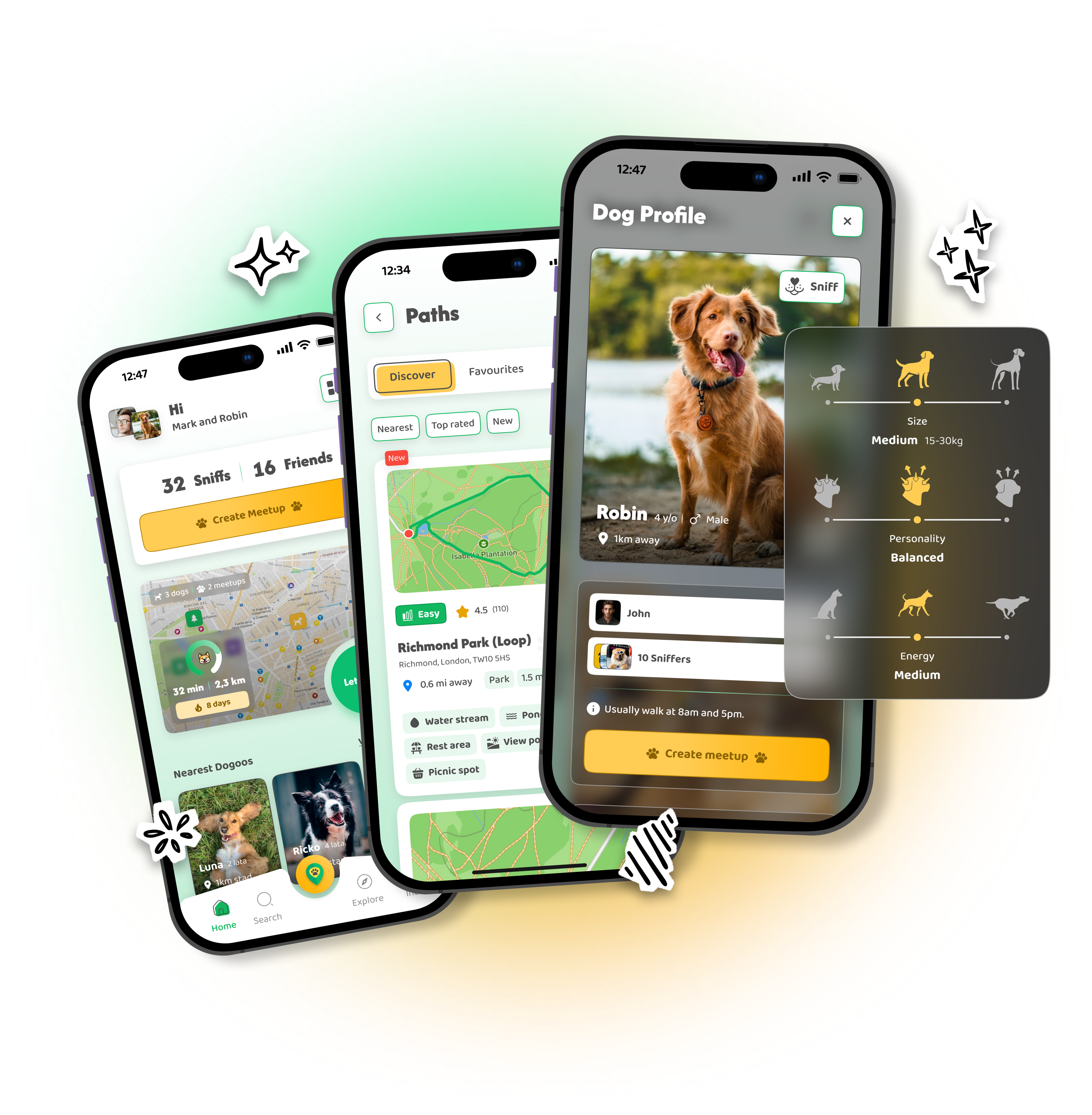
Bloat isn't a topic to learn during a crisis - better to have this knowledge in hand, calmly, before it's needed. If you share your life with a large dog, remember one image: the dog tries to vomit but nothing comes up, and the belly swells before your eyes. That's the cue to act immediately. Save the number of your nearest 24-hour clinic in your phone in advance, and when planning active outings in the DOGOUT app, keep one simple rule in mind: rest after a meal first, play later. This knowledge may one day decide your dog's life.
Sources
Frequently asked questions
- How do I recognise bloat in a dog?
- The most telling sign is unproductive retching - the dog heaves and tries to vomit, but nothing comes up, or only saliva and foam. Add a rapidly swelling, drum-tight belly, obvious restlessness, drooling, laboured breathing and weakness. Symptoms build over minutes, not hours, so any of these signs is a cue to leave for the vet immediately.
- How much time does a dog have with bloat?
- Very little - it's often described as hours, but the condition can worsen drastically within tens of minutes. A twisted stomach cuts off circulation, tissues start to die, and the dog goes into shock. There's no room for 'let's wait until morning' - the sooner it reaches the operating table, the greater the chance of survival.
- Can bloat in dogs be treated without surgery?
- No. Full gastric torsion (GDV) needs surgery, in which the surgeon untwists the stomach and usually tacks it to the abdominal wall to prevent recurrence. Beforehand the vet releases the trapped gas and stabilises the dog. Simple gastric dilatation without a twist can be milder, but telling them apart is a vet's job - you can't judge it at home.
- Which dogs are most at risk of bloat?
- Above all, large and giant breeds with a deep, narrow chest: Great Dane, setter, pointer, German Shepherd, Dobermann, Saint Bernard. Risk rises with age, fast eating, one large meal a day, and vigorous exercise right after eating. Small breeds are rarely affected but aren't entirely risk-free.
- How do I reduce the risk of bloat in a dog?
- Split the daily ration into several smaller meals rather than one large one, slow eating with a slow-feeder bowl, restrict strenuous exercise and play immediately before and after meals, and keep things calm at the bowl. For especially at-risk dogs, a vet may suggest a preventive stomach tacking, for example during spaying - a decision to discuss with your vet.
- Is a swollen belly in a dog always bloat?
- No, but it always deserves attention. A swollen belly can have other causes, yet combined with unproductive retching, restlessness and rapid deterioration it's the classic picture of GDV. Don't risk a home diagnosis - a hard, enlarging belly in a large dog is reason to contact a vet immediately.