Dog First Aid - How to React When Every Second Counts
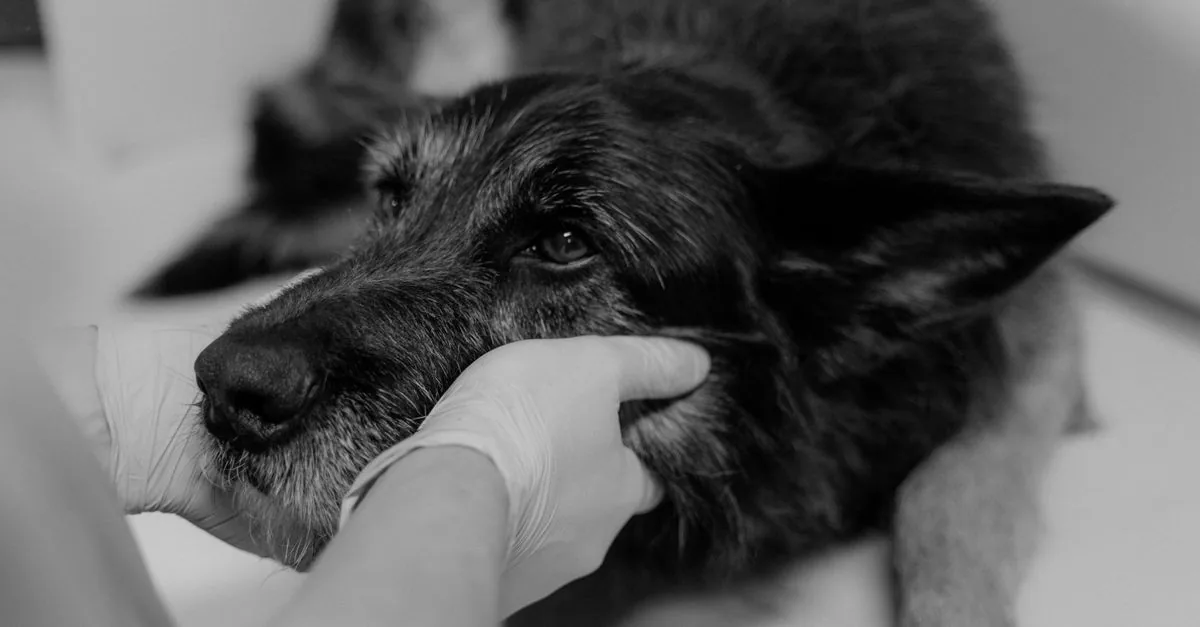
Dog first aid means stabilizing your dog until you reach a vet - it is not a substitute for veterinary care. In any emergency, stay calm, keep yourself safe, and call your nearest 24-hour clinic immediately. For bleeding, apply firm pressure; for choking, check the mouth; for heatstroke, cool the body with cold water - cool first, transport second; for suspected poisoning, never make your dog vomit on your own - call the vet or a pet poison helpline first.
Nobody wants to picture it, but emergencies do not ask permission. Your dog swallows something on a walk, comes back limping and bleeding, or starts overheating in the sun - and suddenly you have a few minutes to act. Dog first aid does not turn you into a vet. It does something else, just as important: it lets you stabilize your dog and get them safely to where real help is waiting. Here is the practical version - no panic, no improvising with medication.
Rule number one: stabilize, then call the vet
Burn one sentence into memory: first aid does not treat, it buys time. Your job is to steady the situation enough that your dog reaches the clinic in the best possible shape. So before you do anything:
- Stay calm. Your dog reads your energy. A panicking owner acts chaotically and makes more mistakes.
- Keep yourself safe. A dog in pain or shock can bite, even the gentlest one. Use an improvised muzzle (a bandage works) if you must - but never on a dog that is vomiting, struggling to breathe, or showing heatstroke.
- Call the vet right away. Ideally before you get in the car - the on-call team can tell you what not to do and prepare for your arrival.
The single most useful thing you can do today, while nothing is wrong: find your nearest 24-hour clinic and save the number in your phone. At 3 a.m. there is no time to go searching.
What to do and what to avoid - a quick reference
| Situation | First move | What NOT to do |
|---|---|---|
| Bleeding | Firm, steady pressure with clean gauze | Do not remove a soaked pad - add another on top |
| Choking | Check the mouth, remove a visible object | Do not blindly push it deeper with your fingers |
| Heatstroke | Shade, cold water, airflow | Do not delay cooling until you reach the vet |
| Suspected poisoning | Call the vet, save the packaging | Do not induce vomiting without a vet's say-so |
| Fracture / accident | Limit movement, transport on a firm surface | Do not set bones or give human medication |
A dog first-aid kit - what actually earns its place
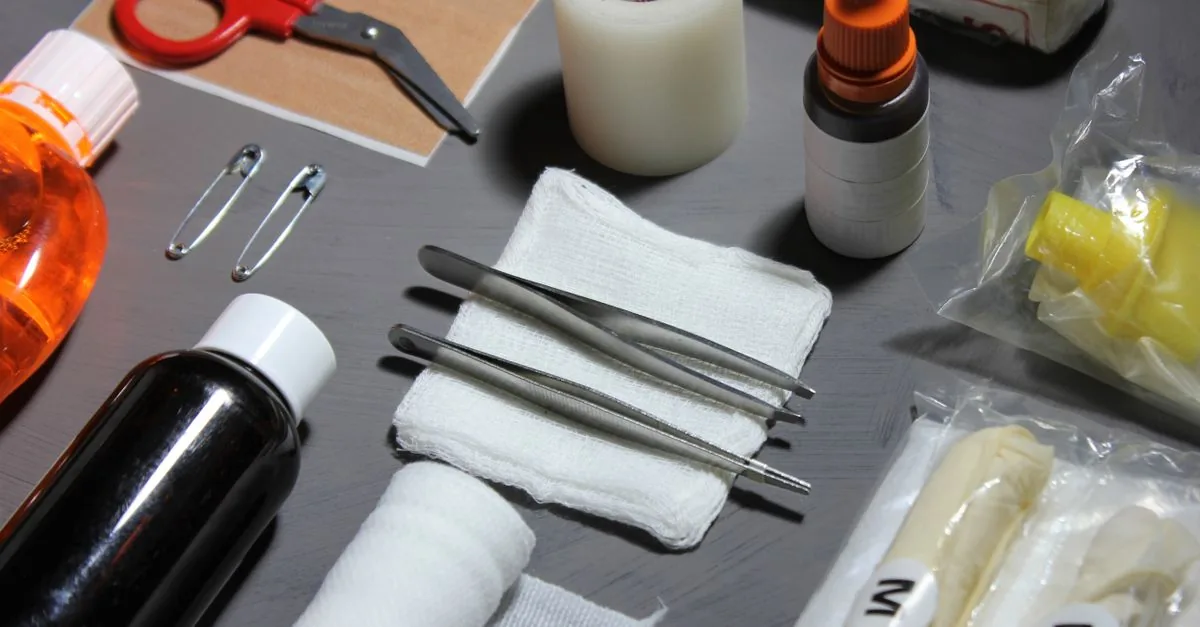
A good kit fits in one box and costs almost nothing next to the peace of mind it gives. Build it before you need it.
- Sterile gauze and bandages, plus self-adhesive elastic wrap.
- Tape, blunt-tipped scissors, tweezers.
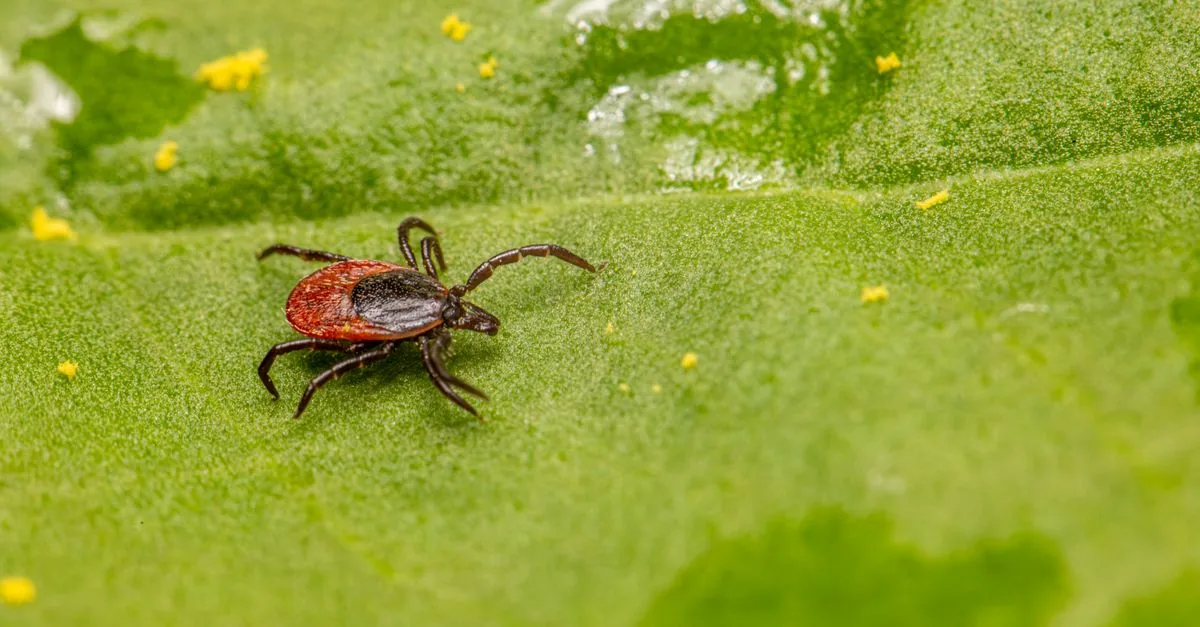
- A tick remover - more on that in our guide to ticks on dogs.
- Disposable gloves and saline for flushing wounds and eyes.
- A thermometer (a dog's normal temperature is roughly 38-39°C / 100-102°F).
- An emergency blanket, a collar, or material for an improvised muzzle.
- A card with numbers: your vet, your nearest 24-hour clinic, a pet poison helpline.
Do not add medications on your own. Many human products are toxic to dogs, and only a vet sets the dose.
Bleeding - pressure is everything
For a wound that is bleeding, one simple rule does the heavy lifting: direct, firm pressure. Press a thick, clean gauze pad against the wound and hold it for at least several minutes without peeking every few seconds - that only tears the clot that is forming. If blood soaks through, do not lift the first layer. Add another pad on top and keep pressing.
Heavy, spurting, or uncontrolled bleeding is an emergency. Keep up the pressure and get to a vet immediately.
Choking - when and how to act
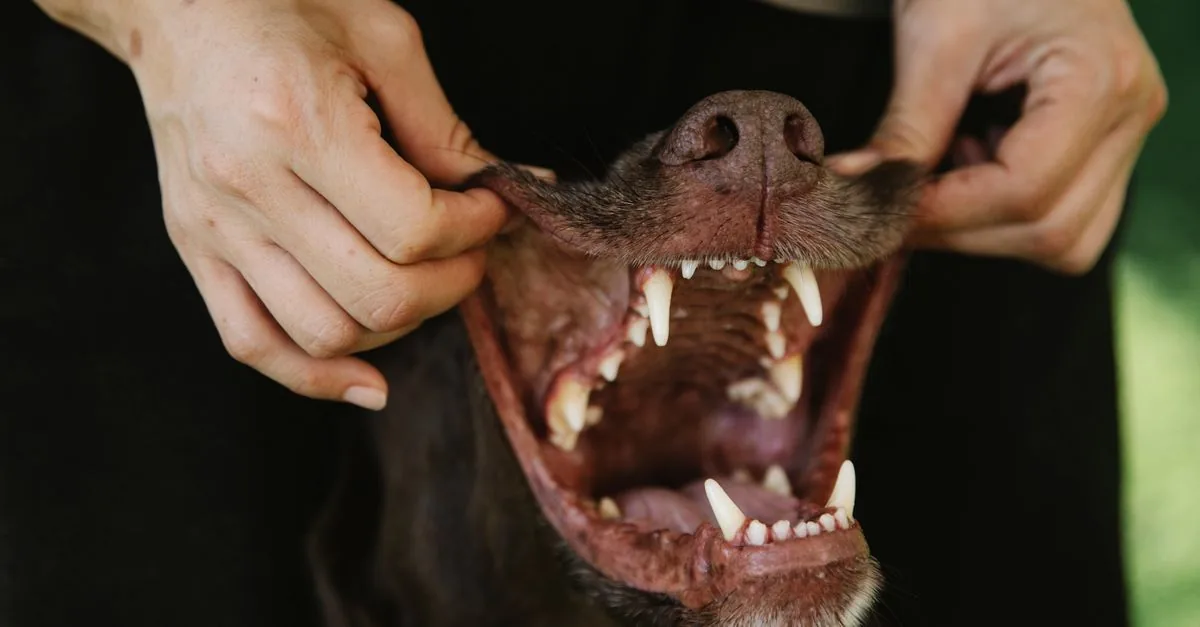
A choking dog coughs, paws at its mouth, panics, makes loud raspy sounds, and with severe oxygen loss develops blue or pale gums. This is a matter of minutes.
- If your dog is conscious, gently open the mouth and look for the object. Remove it only if you can grip it safely - a blind finger sweep can easily wedge it deeper.
- If your dog is actively choking and cannot breathe, give abdominal thrusts (the dog equivalent of the Heimlich maneuver), scaling the force to your dog's size.
- Even if you clear the object, go to the vet - the throat or esophagus may be injured.
Heatstroke - cool down, but do it right
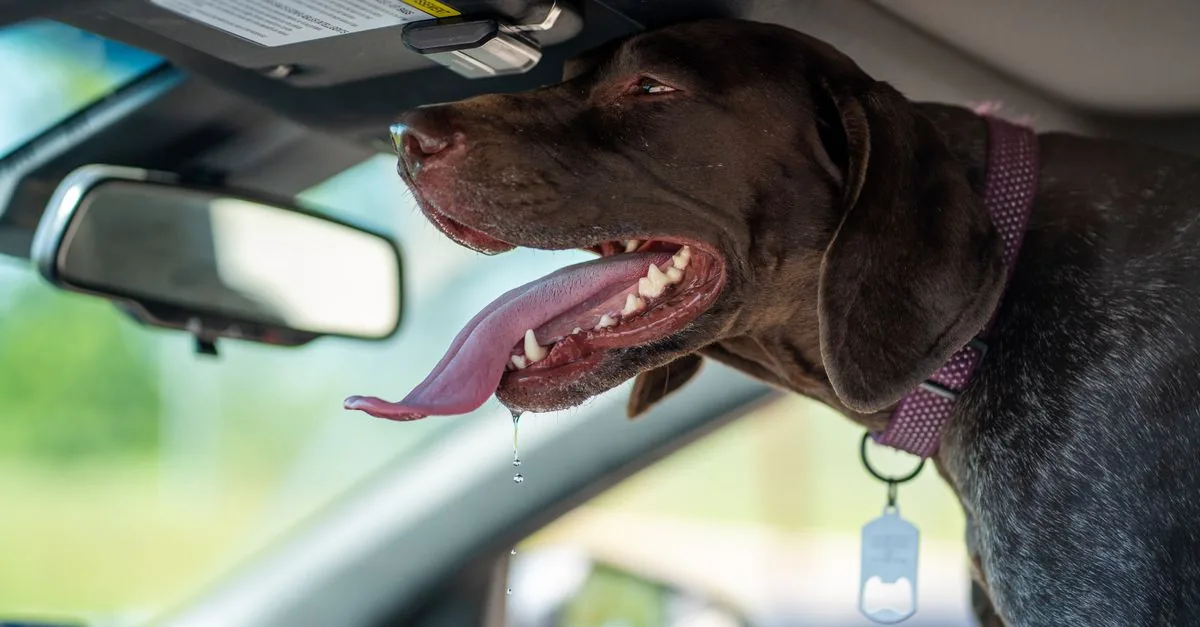
In summer this is one of the most common dangers. Dogs cool themselves by panting, not through their skin, so they overheat faster than people do. Heatstroke signs: heavy non-stop panting, drooling, an unsteady gait, weakness, vomiting, very hot skin, and in extreme cases collapse.
What to do: move your dog into shade and pour cold water over the whole body (neck, chest, belly and groin especially), with a fan to help evaporation. The lukewarm-water advice is out of date - Royal Veterinary College research found no substantial evidence for it, and fast cooling with cold water saves lives. For a young, healthy dog even a brief cold-water immersion works; for an older, weakened or heart-diseased dog, pour any water cooler than the dog rather than immersing. The rule is cool first, transport second - do not interrupt cooling to leave sooner. The best move of all is preventing overheating in the first place, with early-morning and evening walks on hot days.
Suspected poisoning - do not improvise
If your dog has eaten something suspect - chocolate, onion, xylitol, a medication, a household chemical, or bait - do not make them vomit on your own. With some substances (corrosives, for example) vomiting causes extra damage and risks choking. Instead:
- Save the packaging or a sample of what your dog ate - it helps decide the treatment.
- Call your vet or a pet poison helpline immediately and report what, when, and how much your dog ate, plus its weight.
- Follow the professional's instructions exactly.
You will find a list of dangerous items in our guide to foods that are toxic to dogs. Remember that some hazards lurk on the walk itself - from bait to ticks that spread tick-borne diseases.
The best first aid is the kind you never have to use. Get out on tried-and-tested routes, flag hazards on the DOGOUT map, and lean on warnings from other owners - the more eyes on your area, the safer it is for the whole pack.
Sources
Frequently asked questions
- What should be in a dog first-aid kit?
- The basics: sterile gauze and bandages, self-adhesive elastic wrap, tape, blunt-tipped scissors, tweezers and a tick remover, disposable gloves, a thermometer, a collar or improvised muzzle, an emergency blanket, and the numbers for your vet and nearest 24-hour clinic. Only add medications on your vet's advice.
- How do I stop my dog from bleeding?
- Press a clean, thick gauze pad firmly against the wound and hold steady pressure for several minutes without lifting to peek. If blood soaks through, do not remove the first pad - add another on top and keep pressing. Heavy or spurting bleeding is an emergency, so get to a vet immediately.
- What do I do if my dog is choking?
- First, carefully open the mouth and remove any visible object only if you can grasp it safely - watch for bites and never push it deeper. If your dog is actively choking, has blue gums and cannot breathe, give abdominal thrusts (a dog Heimlich maneuver sized to your dog) and get to a vet as fast as possible.
- How do I recognize heatstroke in a dog?
- Signs include heavy non-stop panting, drooling, an unsteady gait, weakness, vomiting, very hot skin and, in severe cases, collapse. Move your dog into shade and pour cold water over the body - for a young, healthy dog even a brief cold-water immersion works. Do not pause the cooling to leave sooner; call the vet while you cool. For older, weakened or heart-diseased dogs, skip ice and ice-cold water.
- Should I make my dog vomit after eating something toxic?
- Not on your own. With some substances, vomiting makes things worse and risks choking. Call your vet or a pet poison helpline immediately, tell them what your dog ate, when, and its weight, and follow the professional's instructions exactly.
- When should I take my dog straight to the vet?
- Without delay if your dog struggles to breathe, has blue or pale gums, loses consciousness, has seizures, heavy or uncontrolled bleeding, signs of heatstroke, suspected poisoning, or has been hit by a car. In these cases first aid only stabilizes your dog on the way to the clinic.