Dog Panting at Night - Normal Causes and Warning Signs
A dog panting at night is usually reacting to a warm room, stress, pain (like joint pain in a senior dog) or leftover excitement before bed. If the panting comes with a swollen, hard belly, dry unproductive retching, restlessness and an inability to settle - especially in a large, deep-chested breed - it could be gastric dilatation-volvulus (bloat), a life-threatening emergency that needs immediate veterinary care. Calm panting that settles once the room cools down is nothing to worry about.
Night-time panting can pull you right out of sleep - your dog pacing, sapping air, unable to settle. Most of the time the cause is mundane: a room that's too warm, stress after a storm outside, or joint pain in an older dog. But in some breeds, panting at night combined with specific signs can point to a condition where minutes matter. It's worth being able to tell the two apart.
Common, harmless causes
Before jumping to the worst case, check these more likely explanations first:
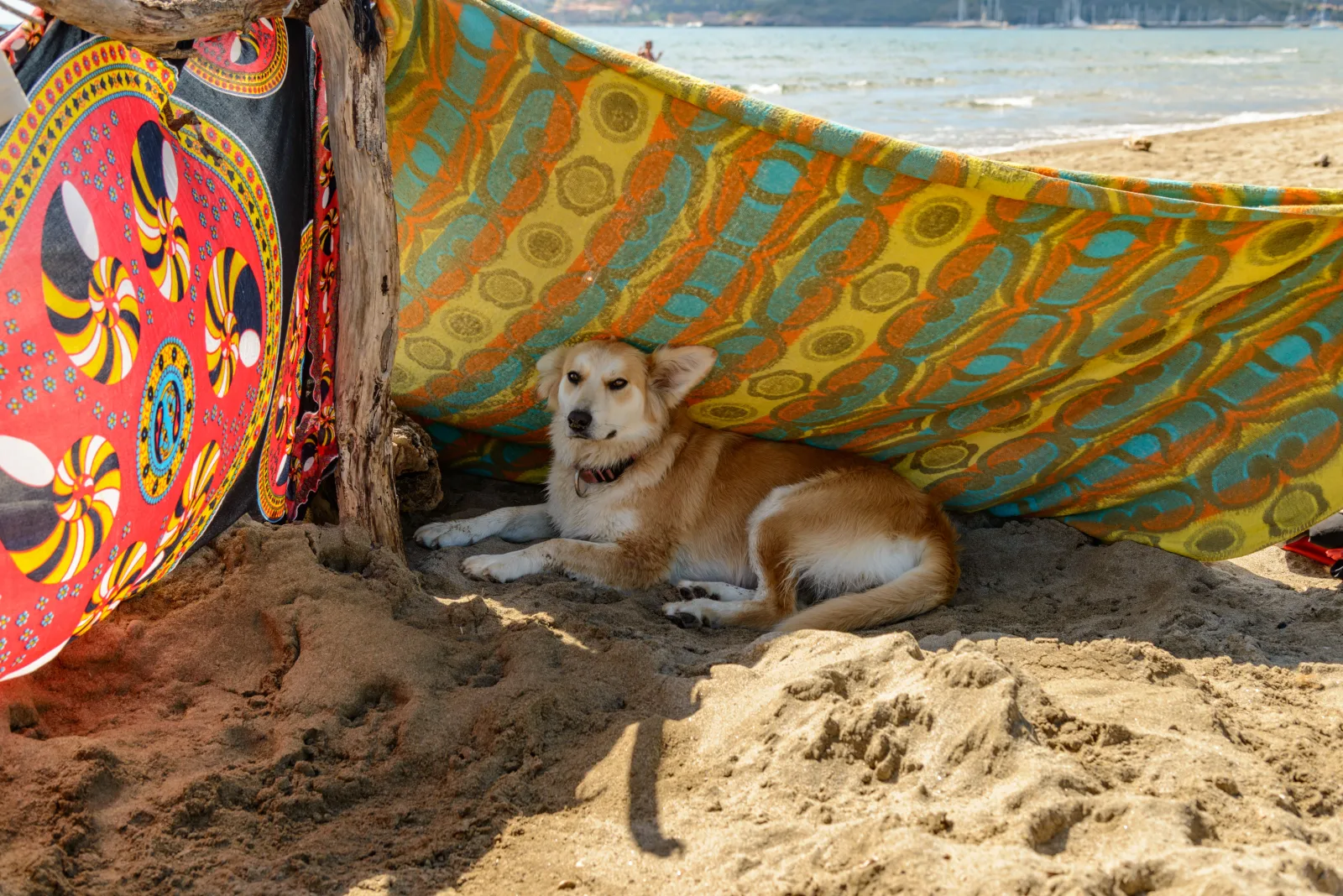
- The room is too warm. Dogs don't sweat the way we do - panting is their main way of shedding heat. Even a room that feels cool to you can be too warm for a dog in a fur coat.
- Stress or anxiety. A storm, fireworks, street noise, or even a change at home (a new piece of furniture, a guest) can trigger tension-related panting. Learn more about spotting these signs in our article on dog stress symptoms.
- Pain, especially in seniors. Dogs with osteoarthritis often pant at night once lying in one position starts to feel uncomfortable.
- Excitement before bed - intense play right before settling down can leave a dog "warmed up" for a while afterward.
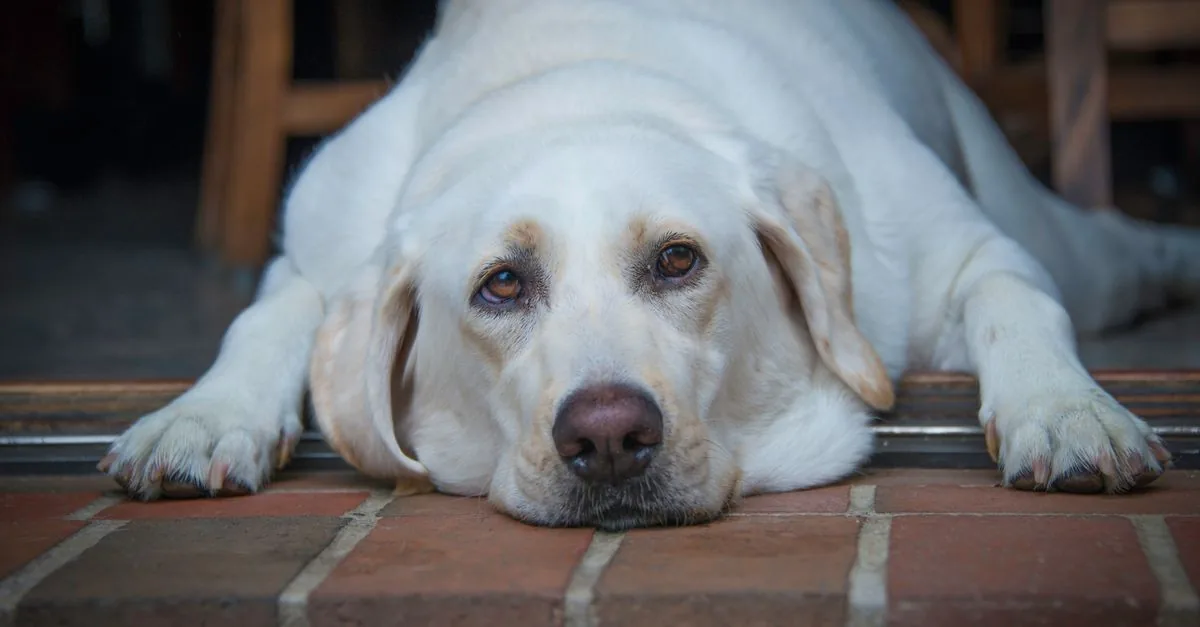
- Excess weight. Overweight dogs pant more often because extra fat makes breathing and temperature regulation harder - more in our article on dog obesity.
If the panting is mild, settles within 30-60 minutes, and the gums are pink and moist, you can usually just monitor - open a window, offer water, and see whether your dog settles.
When panting could signal bloat
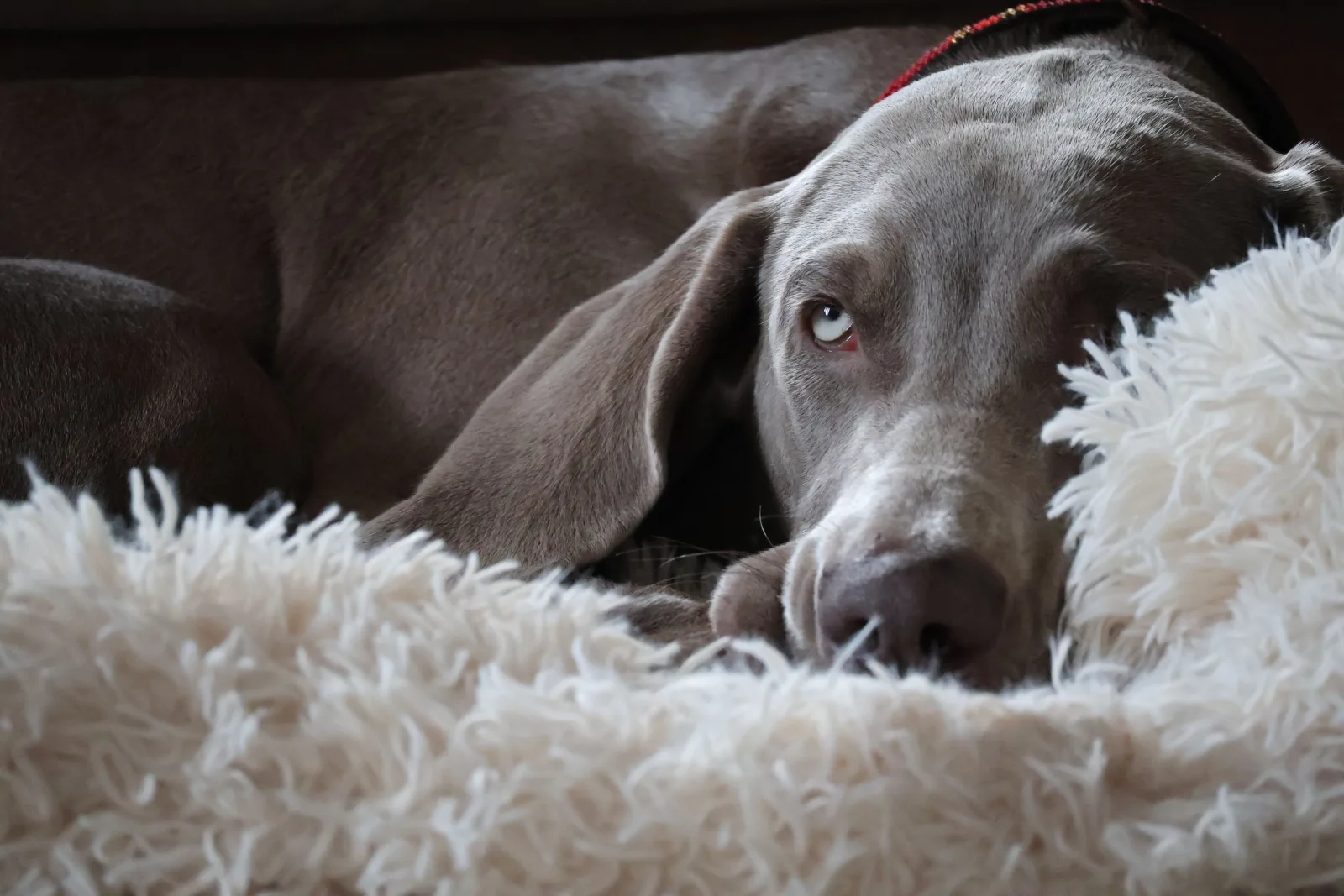
This is the part worth memorizing if you have a large, deep-chested dog - a Great Dane, German Shepherd, pointer, setter, Weimaraner, Dogue de Bordeaux or Saint Bernard. Gastric dilatation-volvulus (GDV), or bloat, is when the stomach fills with gas and twists on itself, cutting off blood flow. Without immediate surgery it can kill a dog within hours.
Signs that together call for an immediate trip to an emergency clinic (ideally one open 24 hours):
- a visibly swollen, tense or hard belly,
- dry, unproductive retching - your dog tries to vomit but nothing comes up,
- strong restlessness, pacing, an inability to get comfortable, often standing with an arched back,
- heavy, rapid panting, sometimes whining or groaning from pain,
- in advanced stages - pale or bluish gums, weakness, collapse.
Risk goes up after a large meal eaten quickly, especially combined with intense exercise right after eating. Panting alone, without a swollen belly and dry retching, rarely means GDV - but if your dog fits the risk profile, it's better to know these signs before you ever need them.
What else a fast night-time breathing rate can mean
Beyond GDV, it's also worth heading to a clinic if you see:
- a breathing rate above 40 per minute at rest - the normal range is roughly 10-30 (count chest movements for 15 seconds and multiply by 4),
- pale, whitish or bluish gums instead of pink,
- your dog can't stand or collapses.
When it's fine to just watch
If the room is simply warm, the gums are pink and moist, the belly looks normal, and your dog responds to you and settles within an hour - it's most likely nothing serious. Open a window, make sure fresh water is available, and keep an eye on the next few nights. If the panting keeps coming back with no obvious cause, book a routine (not urgent) check-up to rule out joint pain or another underlying issue.
A dog who sleeps well at night is a dog ready for a good walk during the day. Find cooler, shaded routes near you on the DOGOUT map and plan a walk that won't overheat your pack.
Sources
Frequently asked questions
- Why is my dog panting at night even though the room is cool?
- Besides heat, night-time panting can come from pain (most often joint pain in senior dogs), stress or anxiety (like a strange sound outside), leftover excitement before bed, or excess weight, which makes breathing harder. If the panting is mild, settles within 30-60 minutes, and your dog otherwise acts normal, you can just keep an eye on it.
- How do I tell normal panting apart from a sign of bloat?
- Bloat (GDV) usually shows up as a combination of signs: a visibly swollen, tense or hard belly, dry unproductive retching, restlessness and an inability to get comfortable, sometimes a breathing rate above 40 per minute at rest. Panting on its own without these signs rarely means GDV, but if you have a large, deep-chested breed (Great Dane, German Shepherd, pointer, setter) it's worth knowing these signs cold.
- Which breeds are most at risk of bloat?
- The highest risk is in large and giant deep-chested breeds: Great Danes, German Shepherds, Irish Setters, Weimaraners, Dogues de Bordeaux, Saint Bernards and similar. Risk goes up after a large meal eaten quickly and after intense exercise right after eating.
- Can joint pain cause panting at night in an older dog?
- Yes. Senior dogs with joint pain (such as from osteoarthritis) often pant at night as they lie in one position and stiffen up. If the panting comes with difficulty getting up, limping or reluctance to climb stairs, it's worth discussing with your vet - there are effective ways to manage the pain.
- When should I take my dog to the vet in the middle of the night for panting?
- Immediately if you see a swollen or hard belly, pale, whitish or bluish gums, your dog can't stand or collapses, or the panting comes with unproductive retching. These are signs where every hour counts - don't wait until morning.