

Dog Losing Appetite in Summer - Normal Response or Emergency
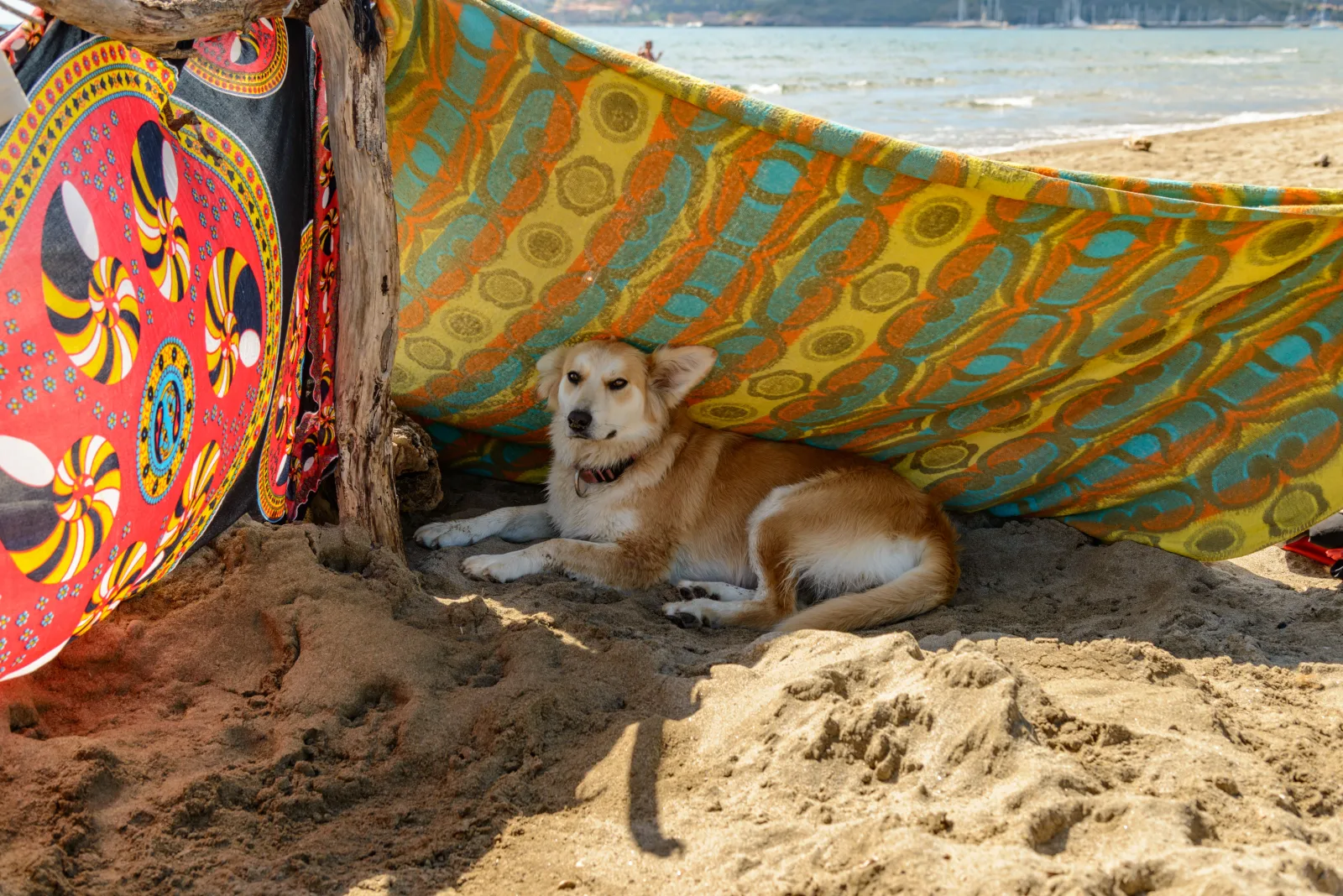
A mild drop in appetite on hot days is a normal response - digestion generates heat, so the body dials it back to make cooling down easier. Appetite usually returns once it cools off. But if the loss of appetite comes with intense, uncontrolled panting with the tongue hanging out, thick, sticky drool, weakness, vomiting or confusion, that could be heatstroke - a life-threatening condition that needs immediate veterinary care.
The bowl is fuller than usual, your dog is picking at the food instead of diving in enthusiastically, and the heat outside leaves little doubt about why. Most of the time this is a completely normal reaction to high temperatures. But there are signs that, combined with a loss of appetite, call for immediate action rather than watching and waiting.
Why dogs eat less when it's hot
Digestion is a process that generates internal heat - it's one reason you feel warmer after a big meal. On hot days, a dog's body naturally curbs appetite so it doesn't add extra "internal heating" on top of what's already an intense cooling job. It's a normal, protective mechanism, most visible during the hottest hours of the day.
This kind of appetite dip is usually mild and gradual - your dog eats less, but doesn't refuse entirely, keeps drinking water, stays alert, and is still up for (calmer) activity. Appetite returns once the temperature drops, usually by evening or the next day.
How to help your dog eat better in the heat
- Move feeding to cooler times. Early morning and evening are better choices than midday, when temperature is highest and appetite lowest.
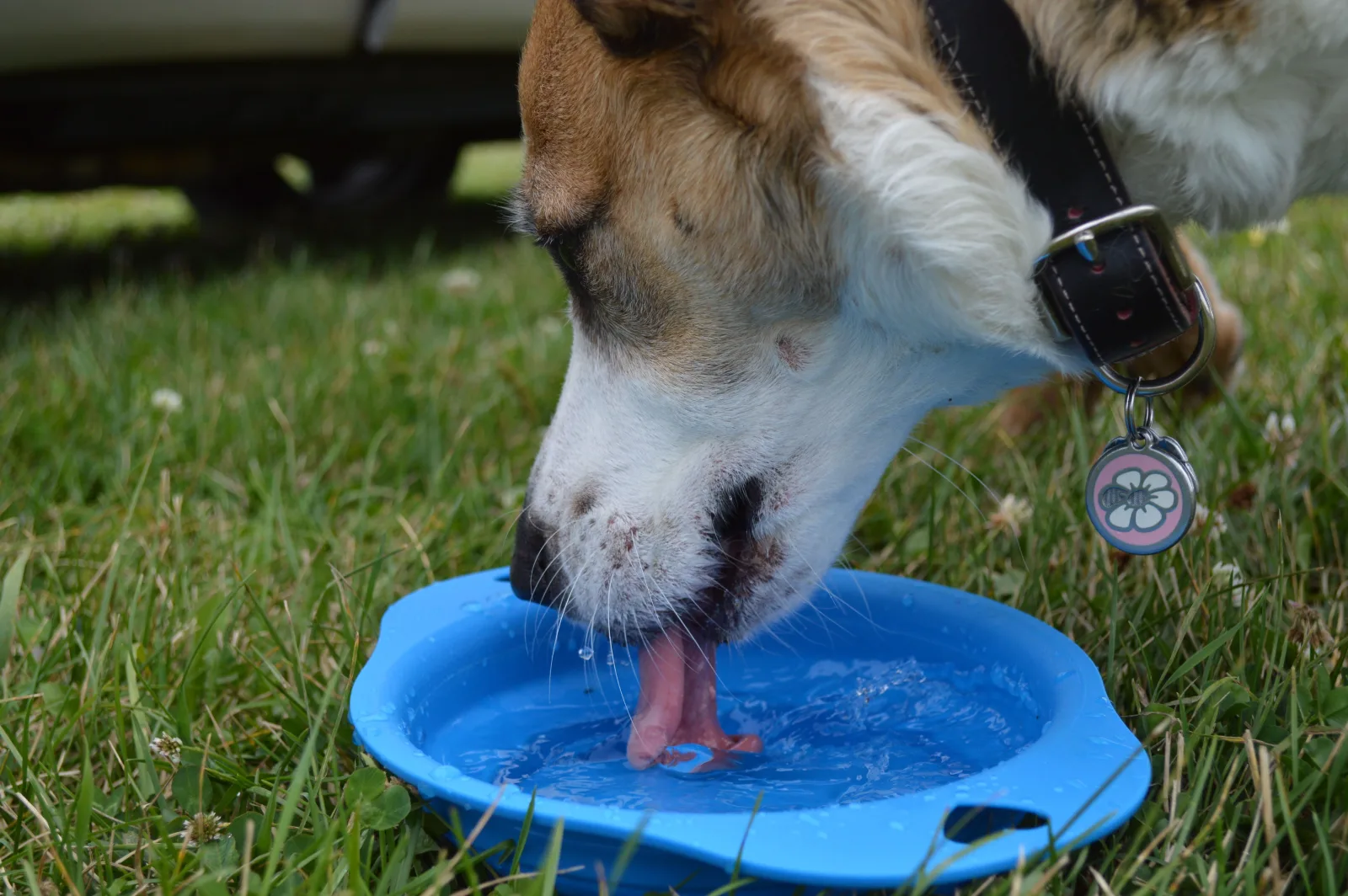
- Keep cool water available at all times. Dehydration further suppresses appetite, so hydration is the first step toward improving it.
- Feed in a cooler spot. Shade, an air-conditioned room, or a cool floor can genuinely boost willingness to eat.
- Consider smaller, more frequent portions. One large midday meal can be less appealing than several smaller ones spread across cooler hours.
- Don't force feeding. A mild appetite dip in the heat is a natural response, not a reason for concern or heavy-handed intervention.
When it's no longer just about the heat
If the loss of appetite comes with any of the following, stop treating heat alone as the explanation:
- refusing to drink water, not just food,
- vomiting or diarrhea,
- lethargy, weakness, less interest in moving even after cooling down,
- no improvement in appetite over several days in a row.
In these situations, book a vet visit - it could be an entirely different cause than the weather, covered in more detail in our article on a dog that won't eat. It's also worth checking whether your dog is drinking excessive amounts of water alongside the smaller appetite - a different angle covered in our piece on a dog drinking excessive water.
Heatstroke - when it's an emergency
This is the most important part of this article. Heatstroke is a life-threatening condition in which a dog's body can't keep up with cooling itself and body temperature rises rapidly. Loss of appetite can be one of the early signs, but the real warning comes from these signs together:
- intense, uncontrolled panting with the tongue hanging far out,
- thick, sticky drool - a sign of severe dehydration,
- weakness, confusion, an unsteady gait, or difficulty standing,
- red or, in more severe cases, pale gums,
- vomiting, seizures or loss of consciousness in advanced stages.
Flat-faced breeds (Bulldogs, Pugs, Boxers), senior dogs, overweight dogs, or dogs with heart conditions are especially at risk, but heatstroke can affect any dog given high enough temperature and humidity, especially without access to shade and water.
If you suspect heatstroke: move your dog into shade or a cool room immediately, pour cool (not ice-cold) water over the belly, groin and paws, and head straight to a vet or call for help. This isn't a situation to wait out until morning - every minute counts.
The best summer walks happen early in the morning or late in the evening, once the sun isn't beating down as hard. Find shaded routes and water access points near you on the DOGOUT map and plan a cooler outing with the pack.
Sources
Frequently asked questions
- Why does my dog eat less on hot days?
- Digesting food generates internal heat, so a dog's body naturally curbs appetite in high temperatures to make cooling down easier. It's a normal, protective mechanism, most visible during the hottest hours of the day, and usually not a cause for concern if your dog otherwise seems normal.
- How can I help my dog eat better in hot weather?
- Move feeding to cooler parts of the day - early morning and evening rather than midday. Keep fresh, cool water available at all times, feed in a cooler spot, and consider smaller, more frequent portions instead of one large midday meal.
- How do I tell a normal summer appetite dip apart from something more serious?
- A normal dip is mild and gradual, and your dog still drinks water, stays alert, and behaves normally otherwise. What's concerning is a sudden refusal to eat combined with vomiting, diarrhea, lethargy or refusing to drink water - that's no longer just about the heat.
- What are the first signs of heatstroke in a dog?
- Intense, uncontrolled panting with the tongue hanging far out, thick, sticky drool signaling severe dehydration, weakness, confusion or an unsteady gait, and red or pale gums. In advanced stages this progresses to vomiting, seizures and loss of consciousness.
- What should I do if I suspect heatstroke in my dog?
- Move your dog into shade or a cool room immediately, pour cool (not ice-cold) water over them, especially the belly, groin and paws, and head straight to a vet or call for help - heatstroke is life-threatening and time matters. Don't wait for the symptoms to pass on their own.