Bathing a Dog: How Often, Which Shampoo and Step by Step
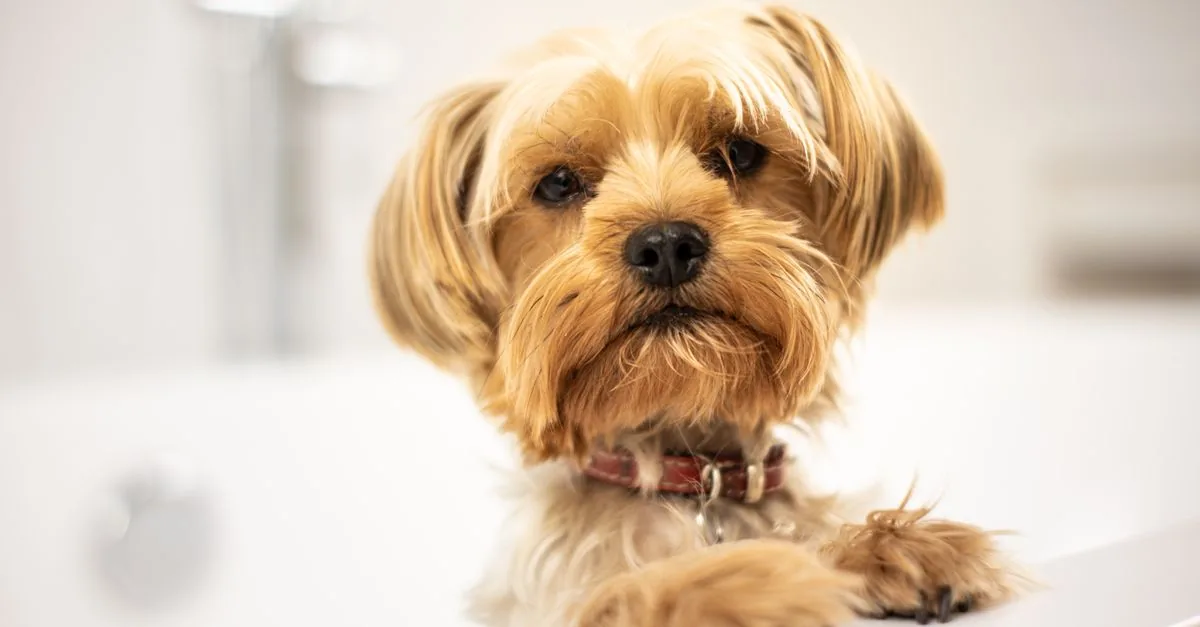
A healthy dog needs bathing fairly rarely - usually every few weeks to a couple of months, unless it gets dirty or your vet says otherwise. Use dog shampoo only - human shampoo has the wrong pH and damages canine skin. Bathe in lukewarm water, rinse thoroughly, and dry well, especially a thick double coat and the ears.
Your dog comes back from a walk caked in mud and your first instinct is to march it straight into the shower. Ease off. Bathing a dog is not a daily ritual - most dogs need it surprisingly rarely. But when you do bathe, a few things genuinely matter: what you wash with, the water temperature, and how you dry. Get those right and your dog's skin and coat will thank you.
How often should you bathe a dog?
Short version: less often than you think. A healthy dog with no skin problems does not need regular baths - the ASPCA recommends bathing at least once every three months, and plenty of vets simply say "bathe when dirty or smelly."
A dog's skin is covered by a thin layer of natural oils that keep it moisturised and protected. Every bath, especially with shampoo, washes those oils away. Bathe too often and you end up with dry, itchy, flaky skin and a dull coat. Here, less really is more.
What changes the frequency?
There is no single number for every dog. Real-world frequency depends on a few things:
| Factor | Less often | More often |
|---|---|---|
| Coat type | short, smooth | long, curly, dirt-trapping |
| Lifestyle | mostly home and pavement | forest, mud, swimming, long trails |
| Skin | healthy, no issues | allergy-prone (only on vet advice) |
| Season | dry autumn / winter indoors | muddy spring, lake swims in summer |
A dog that rolls in mud or swims in a pond will inevitably get bathed more, and that is fine. A couch dog can happily wait months. If your vet is managing a dog with atopy or dermatitis, they may have prescribed medicated baths as often as weekly - in that case follow their instructions, not the general rule. For more on the coat itself, see our guide to dog coat grooming.
Which shampoo should you use?
This one is not up for debate: dog shampoo only. Never human shampoo.
The reason is physiological, not marketing. Human skin is acidic (pH roughly 5.2-6.2), while a dog's skin is more neutral (pH roughly 6.2-7.5). Human shampoo, even the baby kind, is too acidic for canine skin. It disrupts the so-called acid mantle - the thin barrier that protects against bacteria and keeps the skin hydrated. The result is dry, itchy skin, dandruff and more vulnerability to irritation and infection. A dog's skin is also thinner than ours, so it reacts faster.
Pick a gentle dog shampoo suited to your dog's coat type or skin condition. If there is a real skin problem, choose a medicated shampoo with your vet, not on your own.
How to bathe a dog, step by step
A good bath is not chaos and a flooded bathroom. It is a few calm, repeatable steps.
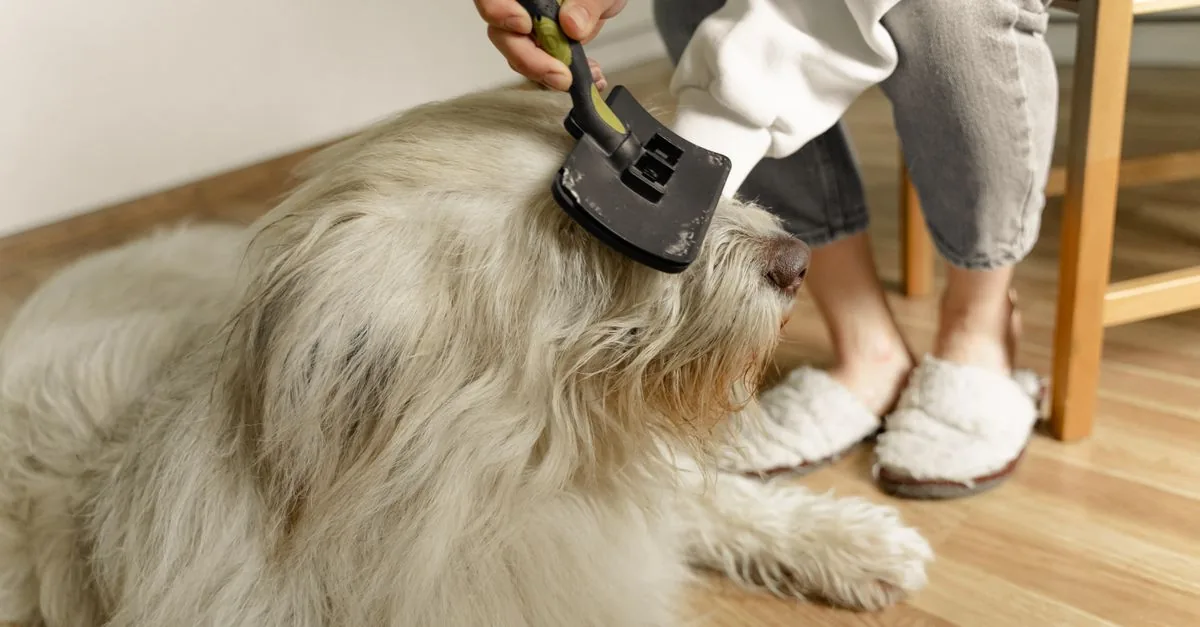
- Brush the coat before the bath. Wet tangles tighten and become almost impossible to brush out later. A dry, thoroughly brushed dog is the foundation.
- Run lukewarm water. Test the temperature with your elbow - it should feel pleasantly warm, never hot. A few inches of water in the tub or shower tray is enough.
- Protect the ears and eyes. You can gently place a cotton ball in each ear. Avoid spraying water straight at the head and never let water run into the ear canals.
- Wet from the back toward the head. Start at the rump and back, then work forwards. Leave the head for last and wash it carefully, without splashing the face.
- Apply shampoo and massage it in. Work the shampoo in with gentle, circular motions, focusing on the dirt-prone spots: paws, belly, under the tail.
- Rinse thoroughly - then rinse again. Leftover shampoo on the skin is the number one cause of post-bath itching. Rinse until the water runs completely clear, usually several times.
Do not bundle other grooming jobs into the bath "while you are at it." Clean the ears separately, with a dog-specific cleaner - we cover how in our guide to cleaning a dog's ears. Nails have their own moment too - see trimming dog nails.
Drying - the stage people underrate
Leaving a dog wet is asking for trouble: moisture against the skin, especially under a thick undercoat, encourages bacteria and that musty wet-dog smell.
The coat
First blot the water out with a towel - press and dab, don't rub, because vigorous rubbing mats the fur and creates tangles. Dogs with thick double coats (huskies, shepherds, golden retrievers) take a long time to dry, because the undercoat holds water against the skin. Here it is worth finishing with a dryer set to a warm, not hot airflow, brushing the coat out as you go. Switch to cool air now and then so the dog does not overheat.
The ears
After the bath, remove the cotton balls and dry the ear flaps and the area around the base of the ear thoroughly. Dogs with floppy ears (spaniels, beagles, bassets) have poorer airflow in the ear canal, so moisture lingers and more often ends in an infection. If you notice a bad smell, redness, or the dog shaking its head and scratching at an ear, that is a cue to see the vet, not to give another bath.
What to avoid
- Bathing "on principle" every week when the dog is not even dirty.
- Human shampoo, soap and washing-up liquid - wrong pH, irritation.
- Hot water and a hot dryer setting.
- Leaving the dog wet, especially with an undercoat.
- Pushing cotton balls deep into the ear canal.
A freshly bathed dog is begging for a walk. Get out there and check the DOGOUT map for places to run off some energy without the mud-up-to-the-ears, and find someone nearby to walk with while you are at it. Clean dog, good route, a living pack - that is all it takes.
Sources
Frequently asked questions
- How often should you bathe a dog?
- A healthy dog usually needs a bath every few weeks to a couple of months. The ASPCA recommends bathing at least once every three months, but it depends heavily on coat type, lifestyle and how dirty your dog gets. Washing too often strips the natural oils and dries out the skin.
- Can I use human shampoo on my dog?
- No. A dog's skin has a different, more neutral pH than human skin, so human shampoo is too acidic for it. It disrupts the skin's protective barrier and can cause dryness, flaking and itching. Always use a shampoo made for dogs.
- What water temperature should I use to bathe a dog?
- Lukewarm, never hot. Test it with your elbow or inner wrist - it should feel pleasantly warm. Hot water is uncomfortable and can irritate the skin, while cold water stresses most dogs and makes the bath harder.
- How do I protect my dog's ears during a bath?
- Avoid pouring water over the head and never let water run into the ear canals - moisture invites infection. You can gently place a cotton ball in each ear during the bath, then dry the ear flaps thoroughly afterwards. Ear cleaning is a separate job, done with a dog ear cleaner.
- How do I dry a dog with a thick double coat?
- First blot the water out with a towel - press, don't rub, so you don't mat the coat. A thick undercoat holds moisture against the skin and dries slowly, which encourages bacteria, so finish with a dryer on a warm (not hot) setting while brushing the coat out.
- Can you bathe a puppy?
- Yes, but usually only once it is a bit older and only when it genuinely needs it, using a gentle puppy shampoo. Small puppies chill quickly, so keep the bath short and dry them thoroughly. If you are unsure about age or frequency, ask your vet.