Dog Coat Grooming: Brush Smart, Never Shave a Double Coat
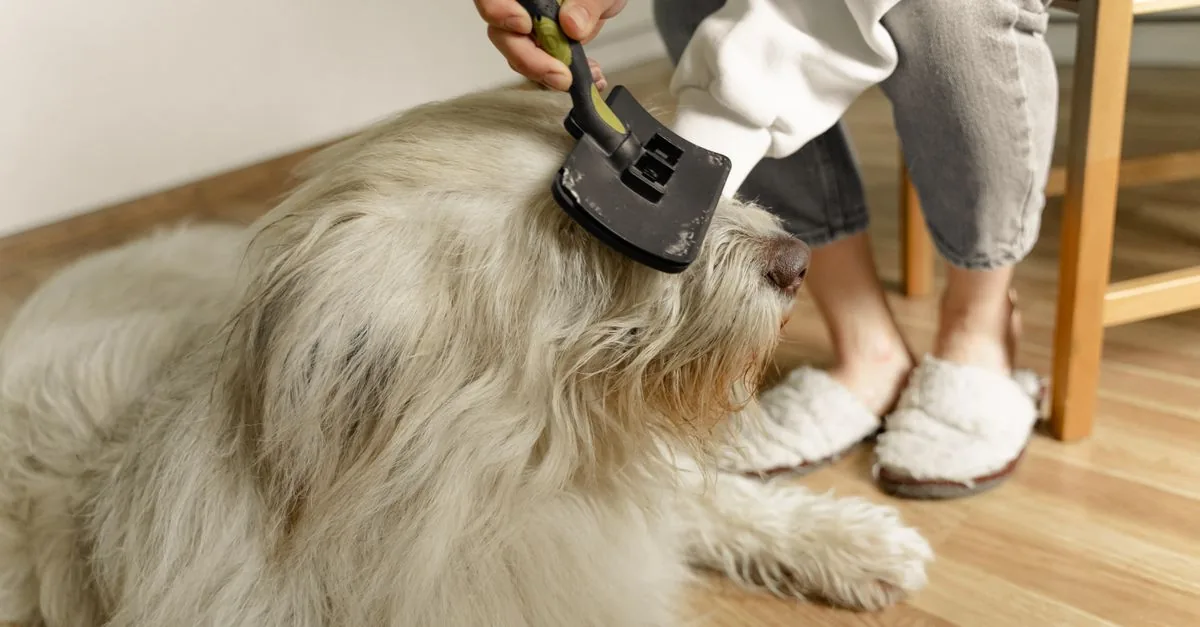
Dog coat grooming starts with regular brushing matched to the coat type: short coats once a week, long coats several times a week, double coats about twice a week (daily when they blow coat), and curly coats daily. Bathe only when your dog actually needs it, and only with dog shampoo. Never shave a double-coated dog - it wrecks the natural insulation and ability to regulate temperature.
Your dog's coat is not decoration - it is a working system that protects the skin, insulates against cold, and helps cope with heat. Your job is simple: brush it regularly and don't break what already works. Most skin and matting problems come not from a lack of expensive gear, but from a lack of routine. Here is how to stay on top of it without overdoing it.
How often should you brush your dog? A coat-type table
The key rule: frequency depends on the coat type, not the size of the dog. A short-coated beagle and a long-coated collie are two completely different grooming calendars.
| Coat type | Examples | How often to brush | Watch out for |
|---|---|---|---|
| Short, smooth | Labrador, beagle, boxer | Once a week | More during shedding, use a rubber curry |
| Long, silky | Setters, collies, Yorkies | Several times a week | Mats fast behind ears and under legs |
| Double (with undercoat) | Husky, German Shepherd, golden | About twice a week | Daily when blowing coat, use an undercoat rake |
| Curly / woolly | Poodle, bichon, doodle | Daily | Very prone to mats, pro groom every 4-6 weeks |
| Wire (rough) | Schnauzer, wire-haired terriers | Several times a week | Hand-strip rather than clip to keep texture |
During shedding season - usually spring and autumn - double-coated dogs "blow" their entire undercoat at once. Daily brushing becomes normal then. That is not a malfunction, just a natural cycle. The more you brush out, the less you find on the sofa.
Which tools actually work?
You do not need a full grooming studio. Two or three good tools matched to the coat are enough:
- Slicker brush - fine, angled wires that detangle and lift loose hair. The all-rounder for long, curly and double coats.
- Undercoat rake - the key tool for any dog with an undercoat. It reaches deeper and pulls out the dead undercoat without disturbing the guard hairs.
- Rubber curry brush or grooming mitt - for short coats; it massages the skin and collects loose hair.
- Metal comb - to check your work and catch the start of a mat, especially behind the ears and in the armpits.
Brush in the direction the hair grows, calmly, in sections. Do undercoat raking on a dry coat, 1-2 times a week for 10-20 minutes, and more during shedding. If the skin turns red, stop. This should feel good, not like a tug-of-war.
Mats - how to deal with them
A mat (a tight, knotted clump of hair) is not just a cosmetic issue. Underneath it traps moisture, rubs the skin and can lead to irritation and infection. Mats form where the coat rubs against something: behind the ears, under the legs, on the tail, around the collar line.
How to work one out safely:
- Work on a dry coat - a wet mat only tightens further.
- Hold the hair right at the base, between the mat and the skin, so you are not pulling on the skin.
- Tease the mat apart from the outside in with your fingers, then a comb. A little detangling conditioner makes it easier.
- Work in small sections and don't rush.
What not to do: never cut large, tight mats close to the skin with scissors by feel. The skin lifts into the mat further than you think, and it is easy to cut a wound. Leave a badly matted coat to a groomer - they have the tools and the practice to do it safely. The best strategy, though, is prevention: regular brushing means mats never get the chance to form.
Why you must never shave a double-coated dog
This is the single most important warning in coat care. A double coat is a longer, protective guard coat plus a dense undercoat beneath it. Together they work like natural climate control: in winter they hold warmth, and in summer they trap a layer of cooler air against the skin and shield it from the sun.
Shaving such a dog "to keep it cool" backfires. Vets and the American Kennel Club agree on this:
- a shaved dog overheats more easily, because it has lost the layer that insulates against the sun;
- the exposed skin is open to sunburn;
- the coat often grows back worse - the undercoat returns faster and crowds out the slower-growing guard hairs, leaving the coat patchy, dull and uneven.
Instead of shaving: brush out the dead undercoat. That, not hair length, is what lets heat escape. A dog with a cleanly brushed coat regulates temperature better than a shaved one. The only exception is a clear veterinary reason (surgery, a skin condition) - then the vet decides, not the weather.
In summer, reach for real solutions instead of the clippers: shade, water, and walks at cooler times of day. Treat a proper bath as a grooming tool, not a cooling method.
Bathing - only when you have to
Brushing is the daily habit; bathing is the exception. Most dogs only need a bath every few weeks, and short coats can go longer - unless your dog rolls in something foul. Over-bathing strips the natural oils from the skin and coat, which ends in dryness and itching.
Two non-negotiable rules:
- Always use dog shampoo. Human shampoo has the wrong pH for dog skin and irritates it.
- Brush first, then bathe. Water tightens existing mats, so it is far easier to detangle your dog before the bath than after.
After the bath, dry your dog thoroughly, especially a dense undercoat and the area around the ears - moisture trapped under the coat invites irritation. We cover the technique in detail in our guide to bathing a dog.
Grooming is more than just the coat
Regular brushing is also when you check the whole dog over: skin, paws, ears, nails. It is the natural moment to spot ticks, scratches, redness or overgrown nails. If you hear nails clicking on the floor, it is time for trimming your dog's nails. If your dog shakes its head or you notice an odour from the ears, see our guide to cleaning a dog's ears. Anything beyond routine - hair loss, persistent itching, changes in the skin - is a sign to check in with your vet.
A well-kept coat is a dog ready for any weather and any adventure. Brush it out, grab the lead, and check the DOGOUT map for where to roam today - and line up a walking buddy along the way.
Sources
Frequently asked questions
- How often should you brush your dog?
- It depends on the coat type. Short-coated dogs are usually fine once a week, long coats need brushing several times a week, double coats about twice a week (daily when they blow coat), and curly coats are best brushed daily. Whatever the type, brush more often during shedding season.
- Can I shave my dog in summer to keep it cool?
- Not a double-coated dog. Counterintuitively, shaving does not cool a dog down - it strips the natural insulation that shields the skin from the sun and helps regulate temperature. A shaved dog overheats more easily and is exposed to sunburn, and the coat often grows back patchy. The only exception is when a vet directs it.
- How do I get mats out of a dog's coat?
- Work small mats out gently on a dry coat with your fingers or a comb, holding the hair at the base so you do not pull the skin. A little detangling conditioner helps. Do not blindly cut large, tight mats close to the skin with scissors - that risks injury. Leave bad matting to a professional groomer.
- How often should you bathe a dog?
- Only when your dog is genuinely dirty or when a vet advises it. For many dogs a bath every few weeks is plenty, and short coats can go even longer. Over-bathing strips the natural oils from the skin and coat, leading to dryness and irritation. Always use dog shampoo, never human shampoo.
- What is the best tool for a dog's undercoat?
- An undercoat rake and a slicker brush work best. The rake reaches the dead undercoat and pulls it out without damaging the longer guard hairs. During shedding season, raking a few times a week dramatically cuts the amount of fur around your home.
- Do mixed-breed dogs need coat grooming too?
- Yes. It is the coat type that matters, not the breed. A mixed breed with a dense undercoat needs regular raking just like a purebred double coat, and a curly-coated mix needs daily brushing to avoid mats.