Trimming Dog Nails Without the Stress or the Blood
Trim your dog's nails when you hear them clicking on the floor - usually every 3-4 weeks. Avoid the quick, the pink core (visible in light nails) that holds a blood vessel and a nerve. In dark nails you can't see it, so shave off thin slivers a little at a time. Keep styptic powder (or cornstarch) handy in case you nick it. If bleeding won't stop, call your vet.
Nails clicking on the laminate every time your dog crosses the room? That's not a quirk - it's a sign they're too long. Overgrown nails change how the paw sits, load the joints wrong and can curl painfully into the pad. The good news: most owners can handle this at home, once you know the one thing that matters - where the quick is.
When should you trim your dog's nails?
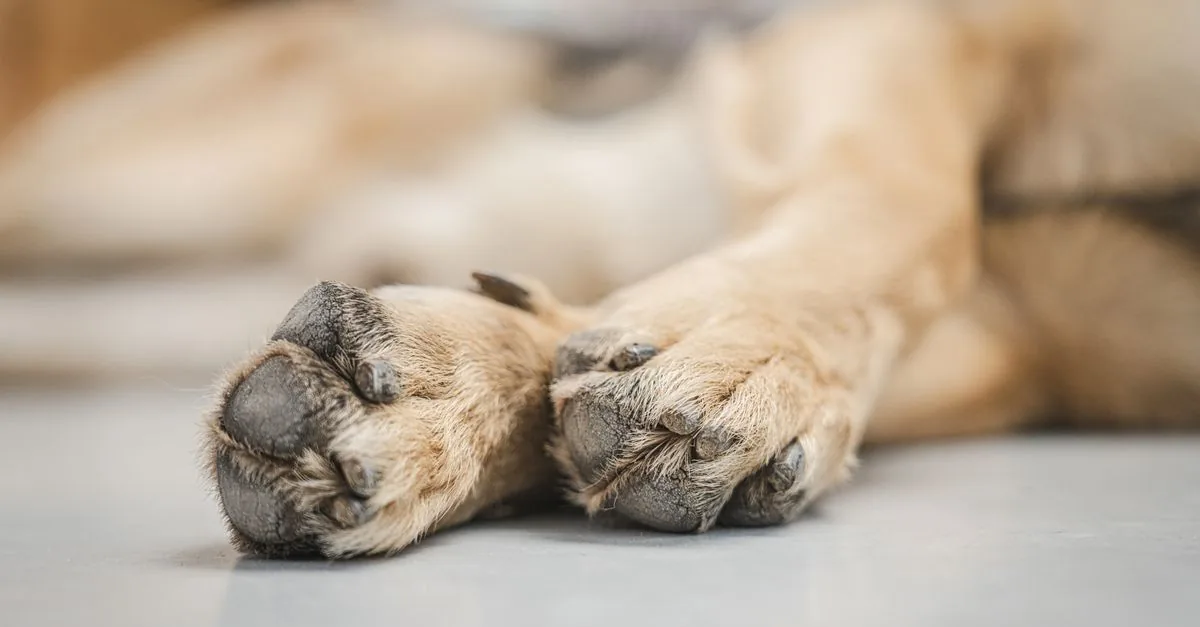
The simplest test needs no ruler. If you can hear nails clicking on a hard floor, or they snag on the rug, they're too long. When your dog is standing, healthy nails shouldn't touch the ground.
How often? It depends on the dog and the lifestyle:
| Dog's lifestyle | Rough frequency |
|---|---|
| Walks a lot on pavement / concrete | Less often - nails self-file |
| Average activity, mixed surfaces | Roughly every 3-4 weeks |
| Low activity, mostly soft ground | More often - as often as every three weeks |
| Dewclaw (the fifth nail, off the ground) | Always check - it never wears down |
These are guidelines. Two dogs of the same breed can differ by a factor of two. Watch the cue, not the calendar.
Where is the quick and how do you avoid it?
This is the whole game. The quick is the inner part of the nail that holds a blood vessel and a nerve. Cut it and it hurts your dog and bleeds - and that single bad experience is what sours most dogs on the entire routine.
Light nails - you can see the quick
Hold the nail up to the light. The pink area inside is the quick. Cut clearly in front of it, leaving a margin of the white, dead tip. Light nails are the easy case because you can see exactly where to stop.
Dark nails - shave thin slivers
In black and dark nails the quick is hidden. There's one rule: take very thin slivers, about 1-2 mm at a time. After each cut, look at the cross-section of the nail:
- first you'll see a dry, chalky, grey surface - that's the safe zone,
- when a dark or black dot appears in the center of that surface, ringed by lighter tissue, you're right at the quick. Stop.
Better to leave a nail slightly long than to cut into the quick. With regular trimming the quick recedes on its own, so over time you'll be able to take the nails shorter.
Clippers or a grinder?
Both tools are safe when used correctly. They just behave differently:
| Feature | Clippers (scissor / guillotine) | Grinder |
|---|---|---|
| Speed | Fast, one cut | Slower, files in layers |
| Risk on dark nails | Higher - one committed cut | Lower - control millimeter by millimeter |
| Finish | Can leave a sharp edge | Smooth, rounded |
| Noise and vibration | Quiet | Loud, vibrates - some dogs hate it |
| Watch out | - | Can catch long hair around the paw |
For dogs with dark nails a grinder is often safer, because it's easier to stop before the quick. But for a dog that's sensitive to sound and vibration, it adds stress. Pick what your dog tolerates better - there's no single right answer.
What to do if a nail bleeds
Sooner or later it happens to everyone. Stay calm - it looks worse than it is.
- Press styptic powder onto the nail tip. It works fast and clots small bleeds.
- No powder? Use cornstarch or flour - press the nail tip into it. Or simply hold pressure with a clean cloth.
- Don't wipe the blood away before applying the powder - the clot that's already forming helps it stop.
- Keep your dog from running around for a bit so the clot isn't knocked loose.
If the bleeding won't stop after 20-30 minutes, normal clotting isn't happening and your vet should take a look. Bleeding you can't control is always worth a call to the clinic.
How do you get a dog comfortable with nail trims?
Most dog nail problems aren't pain - they're fear of the routine. That's why desensitization, slow positive exposure, matters more than technique.
- Start by handling the paws during calm moments, rewarding with a treat. No tools yet.
- Show the clippers or run the grinder without cutting - reward calm.
- Touch the tool to a nail without cutting. Reward.
- Trim one nail and end the session on something good. You don't have to do all four paws at once - spread them over a few days.
- Never force-restrain your dog or punish pulling away - that cements the fear.
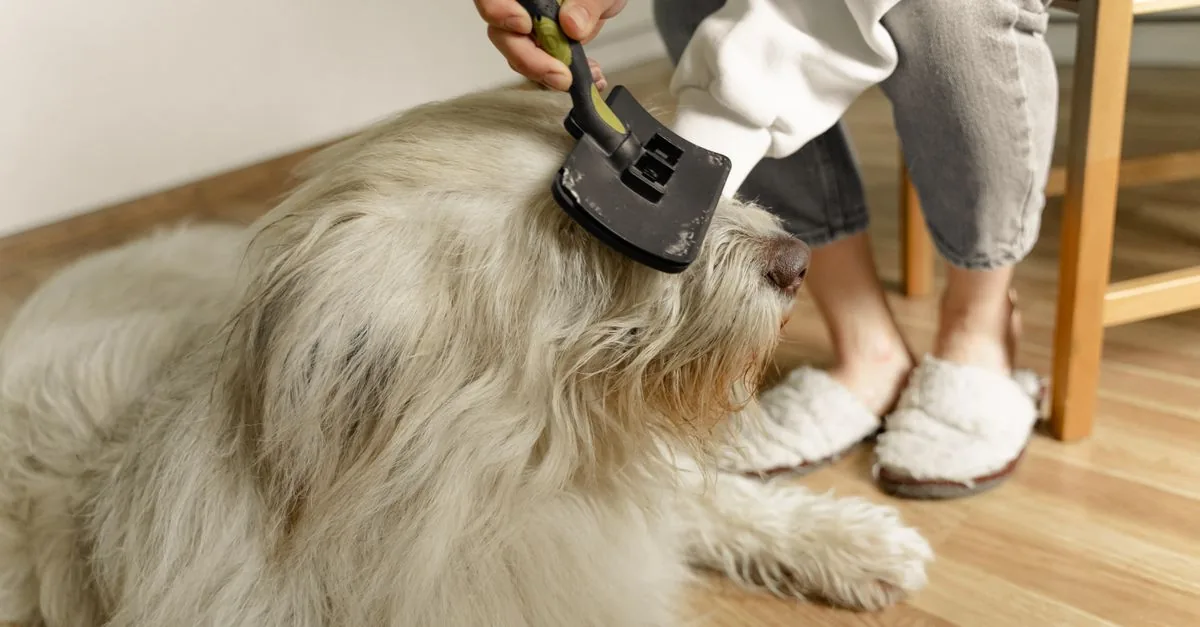
If your dog panics, growls or tries to bite, don't escalate. Nail care is part of a wider grooming routine - just like coat grooming and bathing, everything goes easier when your dog links handling to good things. For strong resistance, get help from a groomer, vet or behaviorist.
What not to do
- Don't blindly take big chunks off a dark nail - that's the fast track to the quick.
- Don't use blunt, damaged clippers - they crush the nail instead of cutting it.
- Don't forget the dewclaws - they can grow into the pad.
- Don't make it a wrestling match. One nail a day beats one trauma.
Paw care goes hand in hand with clean ears and regular checks - while you've got your dog settled, take a look at our guide to cleaning your dog's ears too.
Short, healthy nails mean a better gait and more fun on the walk. With the paws in shape, it's time to get out there - check the DOGOUT map for parks and routes near you, and find a walking buddy who heads where you do.
Sources
Frequently asked questions
- How often should I trim my dog's nails?
- The simplest cue: if you can hear nails clicking on a hard floor, they are too long. Most dogs need a trim roughly every 3-4 weeks. Dogs that walk a lot on pavement wear their nails down naturally and need it less often, while inactive dogs need it more often.
- What is the quick in a dog's nail?
- The quick is the inner part of the nail that contains a blood vessel and a nerve. In light nails it shows as a pink area - cut clearly in front of it. In dark nails it is invisible, so you shave thin slivers until a dark or chalky dot appears in the center of the cut surface, which means you are close to the quick and should stop.
- What do I do if my dog's nail bleeds?
- Press styptic powder onto the nail tip - it clots small bleeds fast. No powder on hand? Use cornstarch or flour, or apply pressure with a clean cloth. Don't wipe the blood away first, since it helps clotting. If the bleeding doesn't stop after 20-30 minutes, contact your vet.
- Clippers or a grinder for dog nails?
- Clippers are faster and quieter, but on dark nails it's easier to nick the quick. A grinder files the nail down gradually, leaves a smooth edge and gives you more control on dark nails, but it's loud, vibrates and can catch long hair. The best choice is whichever your dog tolerates more calmly.
- What if my dog won't let me trim its nails?
- Build tolerance gradually: touch the paws and reward calm, show the tool without cutting, then do one nail and end the session. Never force-restrain your dog. If it panics or snaps, ask a groomer, vet or behaviorist for help instead of fighting through it.
- Do I need to trim the dewclaw?
- Yes. Dewclaws on the inner side of the leg don't touch the ground, so they don't wear down and often grow the longest. Left alone, a dewclaw can curl around and grow into the pad. Check it every time you trim.