Dog Scratching but No Fleas - What Else It Could Be
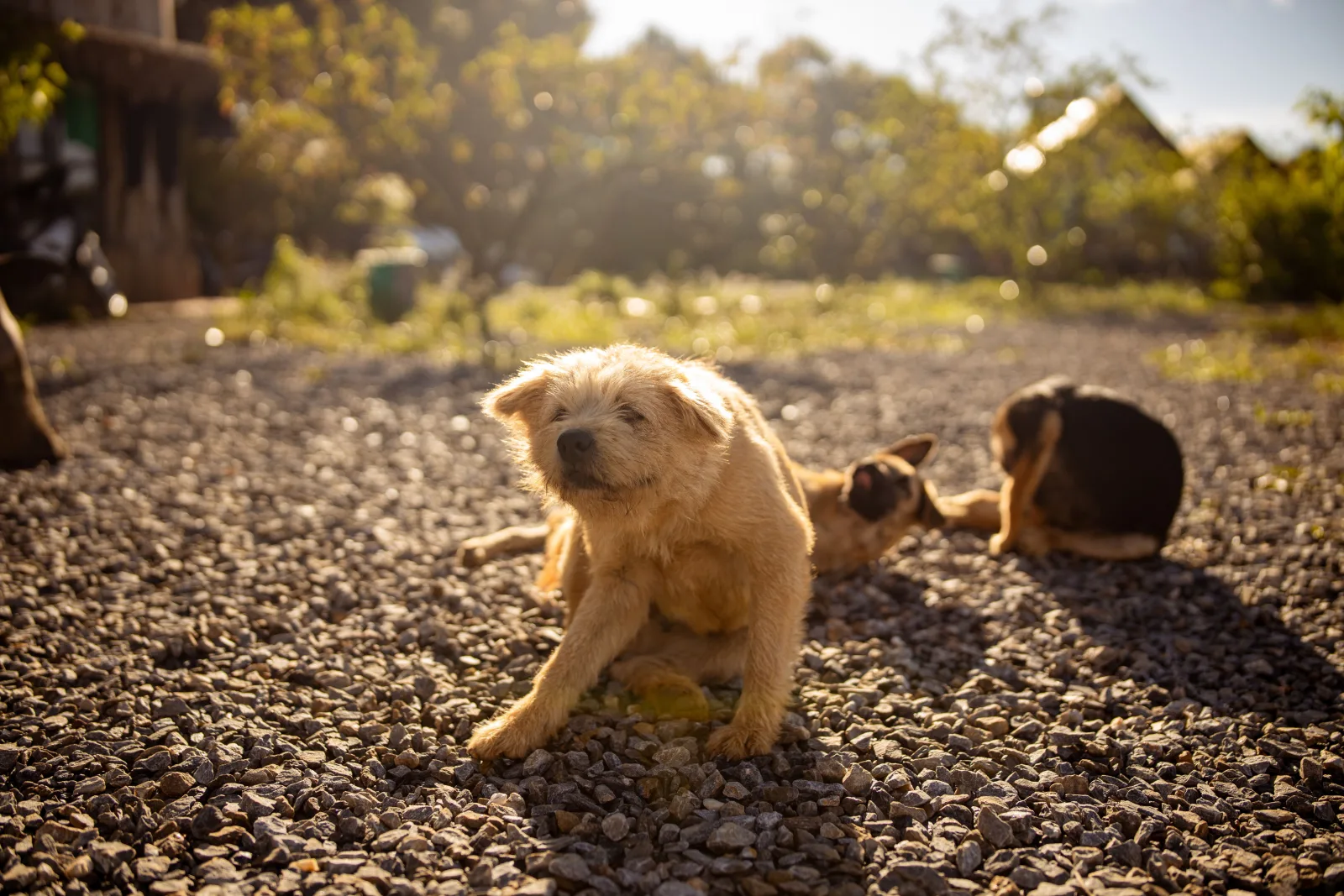
No fleas doesn't rule out itching - scratching can be caused by an environmental or food allergy, dry skin, mites (sarcoptic or demodectic mange), a bacterial or fungal infection, or sometimes stress. If the itching is mild and short-lived, you can just watch it. If it lasts more than a few days, gets worse, or leads to wounds from scratching, that's a signal to see your vet - the absence of fleas alone doesn't narrow the diagnosis.
You've checked the coat thoroughly, run a flea comb through it, and found nothing - yet your dog keeps scratching, chewing at their paws, rubbing their face on the carpet. No fleas is good news, but it's not the end of the suspect list. Itching has many possible sources, and fleas are just one of them.
Are you sure there are no fleas
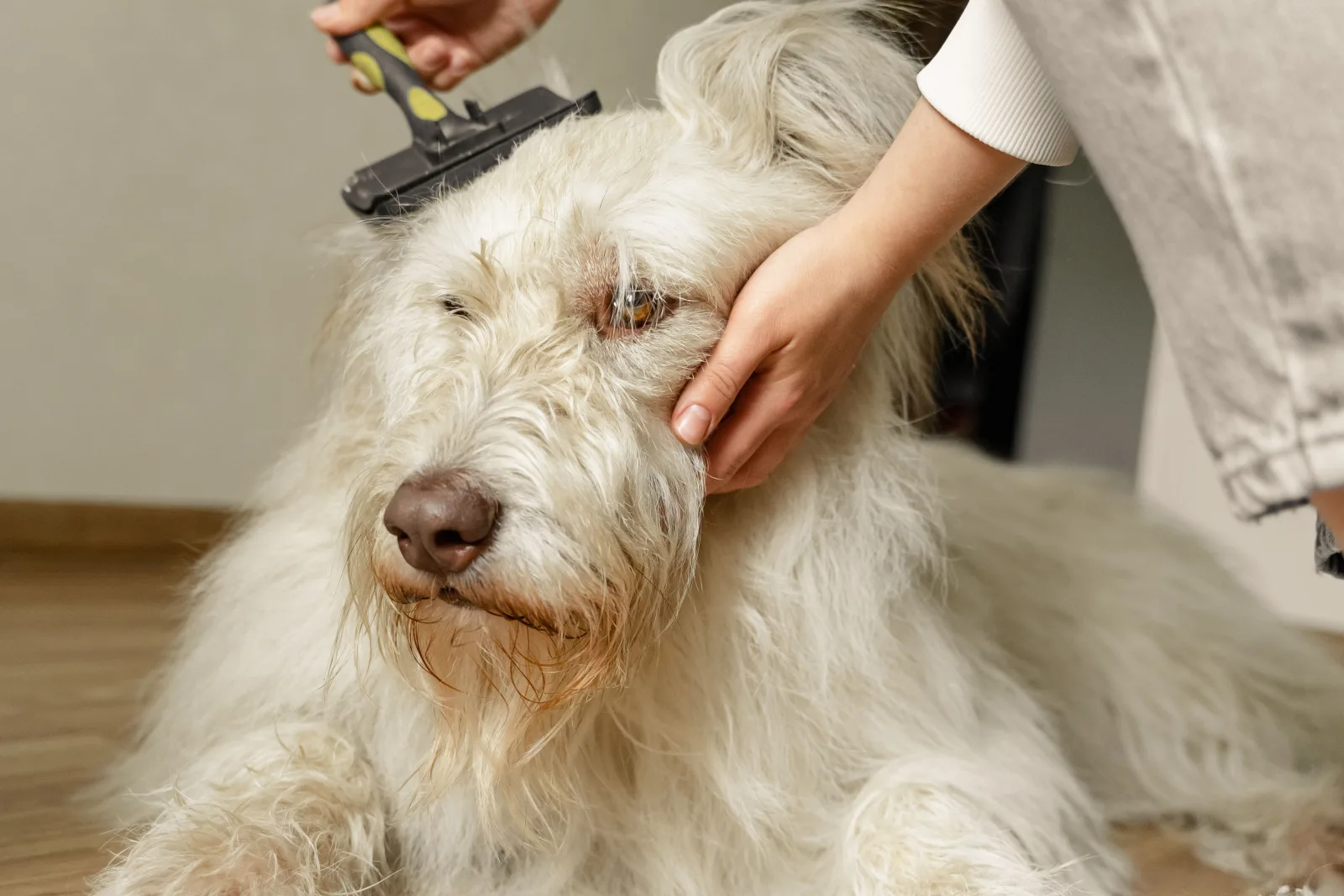
Before ruling fleas out entirely, check not just for the insects themselves but for traces of them. Part the coat at the base of the tail and along the back, and put any combed-out specks on a damp tissue - if they turn rusty red, that's flea dirt (digested blood), even if you never spot a live flea. A single flea that's already been washed or combed off doesn't rule out an earlier allergic reaction to its saliva, which can keep itching for days afterward.
What else causes itching when there are no fleas
Environmental allergy (atopy). A reaction to plant pollen, house dust mites or mold. It can be seasonal (flaring up in spring or summer) or year-round if dust mites are to blame. Typical scratching spots are the paws (often licked to a brownish color), the belly, armpits and around the ears.
Food allergy. An immune reaction to a specific protein in the diet, most often chicken, beef, dairy or wheat. Unlike atopy, it has no seasonal pattern - the itching persists year-round. The only reliable way to diagnose it is a strict elimination diet run under vet supervision for at least 8-12 weeks.
Dry skin. Bathing too often, low indoor humidity, or a lack of fatty acids in the diet can cause itchy, flaky skin with no parasite involved at all. More in our article on dry skin in dogs.
Mites other than fleas. Sarcoptic mange (scabies) causes intense itching, mainly on the ears, elbows and belly, and is contagious, including to people. Demodectic mange usually doesn't itch as intensely, but causes localized bald patches, more often in puppies or dogs with weaker immune systems.
Bacterial or fungal infection. Often secondary to another cause of itching - the dog scratches, breaks the skin, and microbes move in, making things worse.
Stress. Less commonly considered, but real - some dogs respond to tension with compulsive scratching, licking or chewing at their coat, even without any skin irritation.
How to narrow down the cause yourself
A few questions worth asking as you watch your dog:
- Where do they scratch? Paws and belly suggest an allergy; ears and elbows raise the possibility of sarcoptic mange; a specific spot after a bite suggests a local reaction.
- Is there a seasonal pattern? Flare-ups in spring or summer point to a pollen allergy; year-round itching points more toward a food allergy or dust mites.
- Have you changed food recently? A new ingredient in the diet is a clue toward a food allergy.
- Are there visible skin changes? Redness, scabs, bald patches or an unpleasant smell suggest a secondary infection that needs its own treatment.
These observations won't replace a diagnosis, but they'll speed up your vet visit considerably - they help narrow the suspect list right away.
When to watch and when to see a vet
Mild, short-lived itching - after contact with tall grass, for example - can be watched for a few days. Don't try to pick anti-itch medication or steroids yourself without a prescription, though - they can mask symptoms and make later diagnosis harder.
Book a visit if the itching lasts more than a few days, gets worse, keeps coming back seasonally, or comes with visible skin irritation. Go urgently if your dog is drawing blood from scratching, has open wounds, large bald patches, or a fever - those are signs that waiting only makes things worse.
Skin without an itch means a dog who can fully enjoy every walk - no constant scratching, no breaks to chew at their paws. Find spots near you on the DOGOUT map and get back to regular outings with the pack once things are sorted out.
Sources
Frequently asked questions
- I checked and there are no fleas - why does my dog keep scratching?
- No visible fleas doesn't rule out itching from other causes - the most common are environmental allergies (pollen, dust mites), food allergies, dry skin, mites like sarcoptic or demodectic mange, a bacterial or fungal infection, and sometimes stress. This needs its own diagnostic path, not just ruling out fleas.
- How do I check whether the cause is an environmental allergy?
- Environmental allergies (atopy) are often seasonal - flaring up at specific times of year when pollen appears, or year-round if dust mites are the trigger. Typical scratching spots are the paws, belly, armpits and around the ears. A vet gives the final diagnosis, sometimes after allergy testing.
- What's the difference between sarcoptic mange and demodectic mange in dogs?
- Both are caused by mites, but sarcoptic mange (scabies) is highly contagious, including to people, and causes intense itching, mainly on the ears, elbows and belly. Demodectic mange is usually not contagious and shows up more often in puppies or dogs with weaker immune systems, causing localized bald patches, not necessarily with intense itching.
- Can stress make a dog scratch?
- Yes, though less often than skin-related causes. Some dogs respond to stress with compulsive licking, chewing at their coat, or scratching, even without any skin irritation. If medical causes have been ruled out and the scratching intensifies in specific, stressful situations, it's worth discussing this angle with your vet or a behaviorist.
- When does scratching with no fleas need an urgent vet visit?
- Urgently, if your dog is drawing blood from scratching, has open wounds, large bald patches, or a fever. Otherwise, book a routine visit if the itching lasts more than a few days, gets worse, or keeps coming back - waiting longer only prolongs your dog's discomfort and makes the cause harder to pin down.