

Fever in Dogs - How to Recognise It and What to Do

A dog's normal body temperature is around 38.3-39.2 degrees Celsius, higher than a human's. A fever means anything above roughly 39.4 degrees, and above 41 degrees is life-threatening. A dry nose is NOT a reliable gauge - the only sure way is to take the temperature rectally with a thermometer. Fever is a symptom, usually of infection or inflammation. Don't give human fever medicines - they're toxic to dogs. For a high or persistent fever, see a vet.
Is your dog subdued, off its food, and feeling warm? Many owners reach for the nose first - and that's the first mistake. Fever in dogs is a real signal that the body is fighting something, usually an infection, but there's only one way to confirm it: by measuring the temperature. Below we explain how to do it, what the numbers mean, and when you need to act fast.
What is a normal body temperature for a dog?
Dogs are naturally "warmer" than people. A healthy adult dog's normal body temperature is around 38.3-39.2 degrees Celsius. That's why a dog often feels warm to the touch even when it's perfectly healthy.
| Temperature (degrees C) | What it means |
|---|---|
| below 37.5 | Hypothermia (too low) - also dangerous, needs help |
| 38.3-39.2 | Normal dog temperature |
| 39.3-39.9 | Slightly raised - monitor, recheck |
| 40-41 | Clear fever - contact a vet |
| above 41 | Life-threatening - vet immediately |
A brief, one-off rise after vigorous play or in hot weather may be temporary. But a persistent temperature above 39.4 degrees is a fever that shouldn't be ignored. Note: a temperature above 41 degrees, especially after exertion in heat, may mean heatstroke - a separate and very dangerous condition.
Why the dry nose is a myth
"I checked the nose, it's warm and dry, so my dog has a fever" - one of the most common misunderstandings. A dog's nose changes moisture for many reasons: it can be dry after a nap, warm in heat, and rough in a dry flat. The reverse happens too - a seriously ill dog can have a wet, cool nose.
The nose simply isn't a thermometer. The only reliable way to check whether a dog has a fever is to take its temperature.
How to take a dog's temperature
A rectal reading is the most accurate - the same site used at the vet. It sounds unpleasant, but with a little calm it can be done at home:
- Use an ordinary digital thermometer (ideally a separate one kept just for the dog).
- Coat the tip with petroleum jelly or gel.
- Ask someone to gently hold and reassure the dog.
- Lift the tail and insert the thermometer gently about 2-3 centimetres.
- Wait for the beep and read the result.
Ear thermometers for dogs are more convenient but usually less accurate. The most important rule: if the dog resists, growls, or is clearly in pain, don't force it - you risk a bite and extra stress. Instead, contact your vet, who can take the temperature safely.
Symptoms and causes of fever
A fever often comes with other signs worth noticing and describing to your vet:
- apathy, dullness, no interest in play,
- loss of appetite,
- faster breathing and heart rate,
- shivering, seeking warmth or, conversely, cool,
- warm ears and a dry mouth,
- sometimes vomiting or diarrhoea.
Fever itself isn't a disease - it's the body's defensive response. The most common causes are bacterial, viral, or fungal infections, inflammation (an ear infection, a womb infection, a wound), a post-vaccination reaction (usually mild and short), tick-borne diseases, and a reaction to certain toxic substances. An important distinction: a true fever builds "from the inside", whereas overheating and heatstroke are a rise in temperature "from the outside" - and need different, urgent handling.
What NOT to do
A few instincts that can cause harm:
- Don't give human fever medicines. Paracetamol, ibuprofen, and similar drugs are toxic to dogs and can damage the liver, kidneys, or blood cells, sometimes fatally. These are prescription-only from a vet.
- Don't douse the dog in ice-cold water. Sudden chilling can be harmful; for overheating you use lukewarm, not ice-cold, water.
- Don't force the dog to eat. Instead, make sure it always has fresh water.
- Don't wait out a high fever. The higher the temperature and the longer it persists, the more urgent the visit.
What you can do at home
For a mildly raised temperature, while you wait to reach your vet, you can:
- give the dog a cool, airy, quiet place,
- keep fresh water always available,
- gently dampen the paws and belly with lukewarm water if the dog is clearly hot,
- limit exertion and let the dog rest,
- take the temperature from time to time and note the readings.
These are supportive measures that ease discomfort but don't treat the cause. The essential step remains finding out where the fever comes from - and that's a job for the vet.
When to see a vet urgently
Go straight away if:
- the temperature exceeds 41 degrees Celsius,
- the fever comes with seizures, breathing difficulty, or collapse,
- there's persistent vomiting or bloody diarrhoea,
- the dog is extremely weak, unresponsive, or has pale or bluish gums,
- you suspect heatstroke (high temperature after exertion in heat).
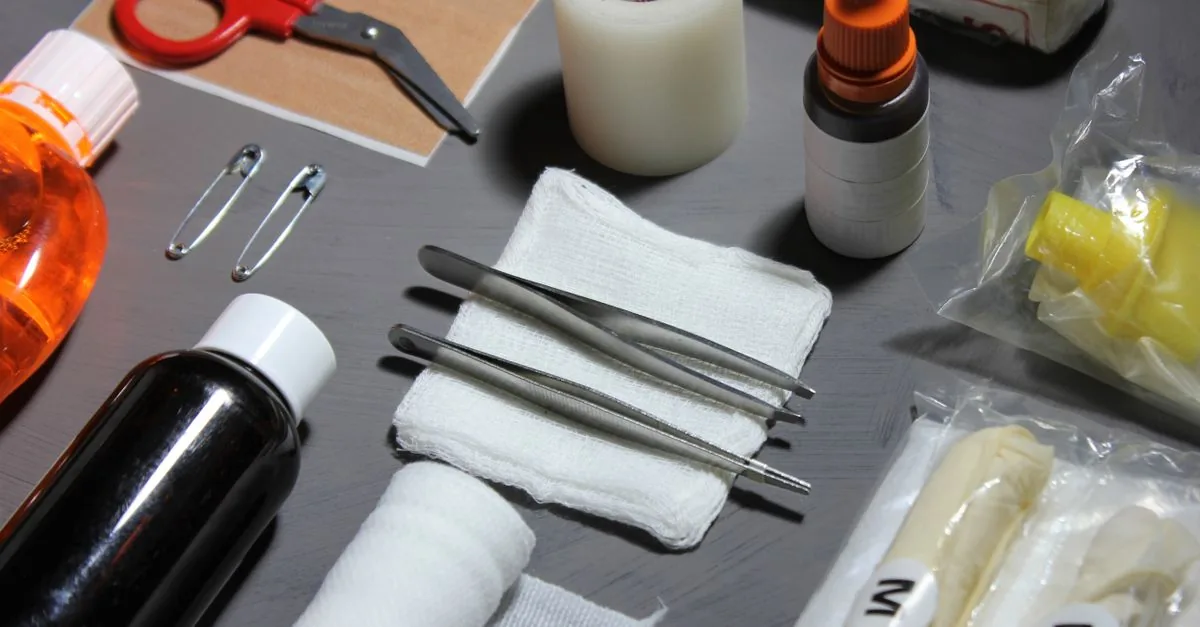
Even a moderate fever that lasts more than a day or keeps returning should be assessed by a vet. Puppies, senior dogs, and chronically ill dogs need extra vigilance - fever turns dangerous faster in them. It's worth keeping a thermometer and a basic dog first aid kit at home, so you can quickly take a temperature and give the vet concrete figures if needed.
A fever is a signal you don't explain away with guesses about a "warm nose". Take the temperature, note the symptoms, provide calm and water - and leave the treatment decision to the vet. That's the shortest route to getting your dog back to form.
Sources
Frequently asked questions
- What is a normal body temperature for a dog?
- A dog's normal temperature is around 38.3-39.2 degrees Celsius, clearly higher than a human's. A fever means anything above roughly 39.4 degrees. A temperature above 41 degrees is dangerous and needs immediate veterinary help.
- Does a dry, warm nose mean a dog has a fever?
- No, that's a popular myth. A dog's nose can be dry and warm after sleep, in heat, or in dry air, and wet in a genuinely ill dog. The only reliable way to check for a fever is to take the temperature rectally with a thermometer.
- How do I check my dog's temperature at home?
- The most accurate method is a rectal reading with an ordinary digital thermometer coated in petroleum jelly or gel. Insert it gently about 2-3 cm and wait for the beep. Ear thermometers for dogs are less accurate. If the dog resists or is aggressive from pain, don't force it and contact your vet.
- Can I give my dog paracetamol or ibuprofen for a fever?
- No. Paracetamol, ibuprofen, and other human fever medicines are toxic to dogs and can cause serious organ damage, sometimes fatal. Only a vet can choose a fever-reducing medicine for a dog. At home, provide access to water and a cool, quiet place.
- How can I reduce a dog's fever at home?
- For a mildly raised temperature you can give the dog a cool, airy spot, constant access to fresh water, and quiet, and gently dampen the paws and belly with lukewarm (not cold) water. These are supportive measures, not treatment. A high or persistent fever always needs a vet visit.
- When is a fever in a dog an emergency?
- Go straight away if the temperature exceeds 41 degrees, or the fever comes with seizures, breathing difficulty, vomiting, bloody diarrhoea, severe weakness, or collapse. Fever in puppies, senior dogs, and chronically ill dogs, and any suspected heatstroke, also need urgent help.