

Dog Dementia - How to Recognise It and Help Your Senior Dog
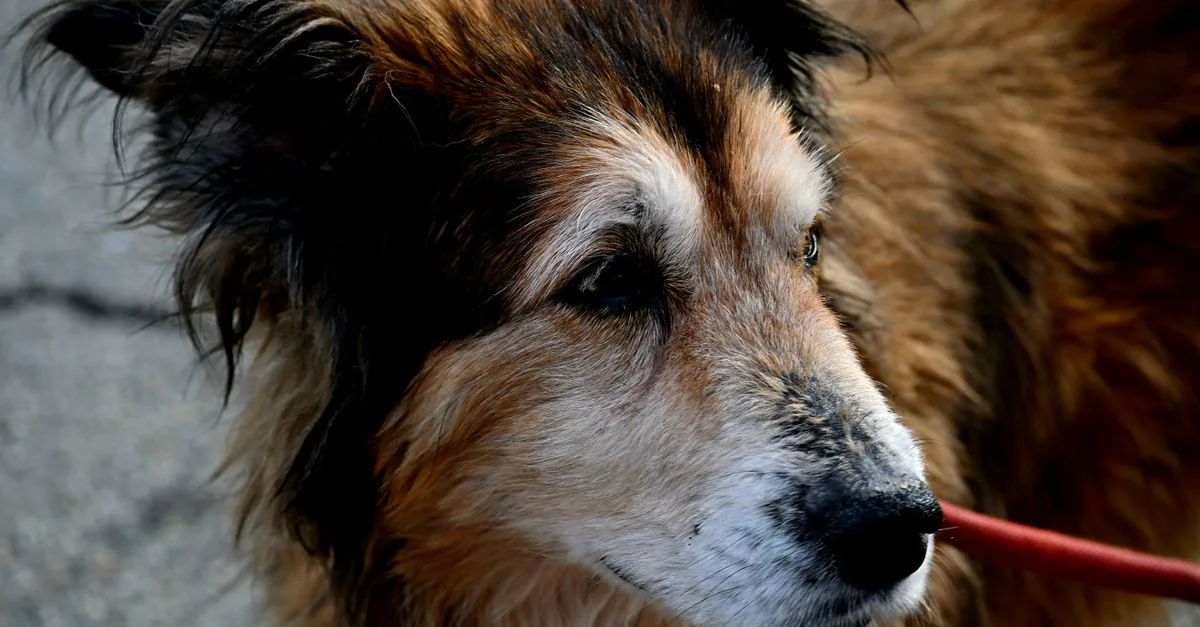
Dog dementia, or canine cognitive dysfunction (CCD), is an age-related change in the brain similar to Alzheimer's disease in people. A dog may become disorientated, wake and pace at night, forget learned habits, stare at walls, or change how it relates to the family. It's a progressive condition that can't be reversed, but its course can be slowed and the dog's quality of life improved. A vet always makes the diagnosis, because other conditions of old age cause similar signs.
Your dog stands in the corner of the room and stares at the wall as if it can't work out how to get out. At night it paces the flat and whines, though not long ago it slept soundly until morning. It forgets you've already fed it, or gets lost in a home it's known for years. These can be the first signs of dementia - a condition many owners of senior dogs don't even know exists.
What is dog dementia?
Dog dementia is the everyday name for canine cognitive dysfunction (CCD). It's an age-related change in the brain that resembles Alzheimer's disease in people - abnormal proteins build up, the number of connections between nerve cells falls, and memory, orientation, and the ability to learn all weaken.
It's a progressive condition. It can't be reversed, but - and this is important news - its course can be slowed, and the dog given a calm, dignified old age. The key is early recognition, because the sooner you act, the more good years you have ahead of you.
Symptoms of dog dementia
The signs build up slowly and are easy to miss at first, or to explain away as "age". Vets often use a framework known by the acronym DISHAA - it's worth knowing the areas of change behind it.
| Area | How it shows up |
|---|---|
| Disorientation | Dog gets lost in a familiar place, stands in corners, stares at walls |
| Interactions with family | Less contact, indifference, or the opposite - excessive clinginess |
| Sleep-wake cycle | Sleeps by day, paces, whines, or barks at night for no reason |
| House soiling | Toilets indoors despite previous habits |
| Activity | Less play, aimless circling, apathy |
| Anxiety | New fears, agitation, poorer coping with everyday triggers |
Not every dog shows all the signs at once. Sometimes the first clue is only night-time restlessness or "freezing" mid-movement. If you notice several of these changes in a dog over nine years old, that's a clear signal to talk to your vet.
How to tell dementia from normal ageing
This is the question every owner of a greying dog asks. Normal ageing is mainly a drop in energy, slower movement, and weaker hearing and sight - but the dog stays "itself": it recognises its surroundings, responds to routine, and knows where the bowl and the door are.
Dementia changes something deeper: orientation and behaviour. A dog may get lost in a flat it's lived in for years, forget learned habits, or stand on the wrong side of a door as it opens. The catch is that the same signs can be caused by other conditions of old age - joint pain that disrupts sleep, kidney disease, diabetes, thyroid problems, or high blood pressure. That's why dementia isn't diagnosed "by eye". A vet makes the diagnosis, first ruling out other causes.
Diagnosis - why it starts with the vet
There's no single simple test for dog dementia. The vet relies on the owner's history (a symptom diary of what happens, when, and how often is a big help), a general and neurological exam, and additional tests - blood, urine, and sometimes imaging. The goal is to rule out conditions that look similar but are treated completely differently.
That's why "diagnosing" dementia yourself from the internet can be misleading. A dog that paces at night may have dementia - or hip pain, a urinary infection, or a condition that needs urgent treatment. A vet will tell one from the other.
What genuinely helps a dog with dementia
Although the condition can't be reversed, there's a lot you can do to slow its course and improve the dog's quality of life. The best results come from combining several elements:
- A steady, predictable daily routine - the same times for meals, walks, and sleep. Routine gives a disorientated dog a sense of security.
- A safe, unchanging environment - don't rearrange the furniture, block access to stairs, and provide gentle lighting at night.
- Gentle mental activity - simple scent games, snuffle mats, short sessions of familiar commands. The brain, like muscles, benefits from use.
- Exercise suited to the dog - short, calm walks on familiar routes. Even a senior dog needs to get out, and a walk is sensory stimulation too.
- Diet and supplements - a vet may recommend a food or additives that support an ageing brain.
- Medication - in some cases the vet adds drugs that support cognitive function. That's a decision for the vet alone.
Importantly, don't punish the dog for "accidents" indoors or night-time restlessness - it isn't doing it out of spite, but because it's unwell. Your calm and patience are among the best "medicines" you can give.
When to see a vet urgently
Book a visit without delay if there's a sudden decline: persistent circling, seizures, severe anxiety, complete loss of orientation overnight, or an abrupt change in behaviour. Such signs can mean a different, dangerous neurological problem that needs a fast response, not calm observation.
In less urgent situations - growing disorientation, changes in sleep, incontinence - don't put it off for weeks either. The sooner the vet makes a diagnosis and starts management, the more calm years lie ahead of you.
Living with a dog with dementia
Caring for a dog with dementia can be emotionally hard - you watch a long-time companion slowly change. It helps to remember that, despite the illness, this dog still needs closeness, movement, and the sound of your voice. A short, calm walk on a familiar route gives it more than you might think. In the DOGOUT app you can plan a quiet, low-traffic route at a convenient time, so your outings stay calm and predictable - exactly what a disorientated senior dog likes.
Dementia isn't a sentence against a "good life" - it's a new stage in which your dog needs predictability, patience, and veterinary care more than ever. Well managed, it can still enjoy its old age for a long time to come.
Sources
Frequently asked questions
- At what age does dog dementia appear?
- Canine cognitive dysfunction usually starts to develop from around nine years of age, and becomes more common every year after: 28% of owners of dogs aged 11 to 12 report at least one sign, rising to 68% of owners of dogs aged 15 to 16. In large breeds, which age faster, signs may appear earlier. Early changes are subtle, which is why they're easily missed or written off as 'just old age'.
- How do I tell dementia apart from normal ageing?
- Normal ageing is mainly lower energy and slower movement, but with orientation preserved. With dementia you see disorientation, night-time pacing, forgetting learned habits, staring at walls, or getting lost in familiar surroundings. Because other conditions cause these signs too, the final distinction belongs to a vet.
- Can dog dementia be cured?
- No, it's a progressive condition that can't be reversed. But its course can be slowed and the dog's comfort clearly improved through changes to the environment, mental activity, diet, and treatment chosen by a vet. The earlier you start, the better the outcome.
- Why does my old dog pace and whine at night?
- A disrupted day-night rhythm is a classic sign of dementia - the dog sleeps during the day and is restless at night, pacing, whining, or barking for no clear reason. Before assuming dementia, a vet should rule out pain, urinary problems, and other causes of night-time restlessness.
- What helps a dog with dementia?
- A steady, predictable daily routine, a safe and unchanging environment, gentle mental and physical activity suited to the dog, and a diet and supplements advised by a vet all help. Sometimes a vet adds medication to support brain function. The owner's patience and calm matter enormously.
- When should I take a dog with dementia to the vet?
- Go as soon as you notice disorientation, changes in sleep, incontinence, or behaviour changes in an older dog - and don't self-diagnose. A sudden decline, circling, seizures, or severe anxiety need an urgent visit, as they may signal a different, dangerous neurological problem.