How Long Do Dogs Live? Average Lifespan by Size and Breed
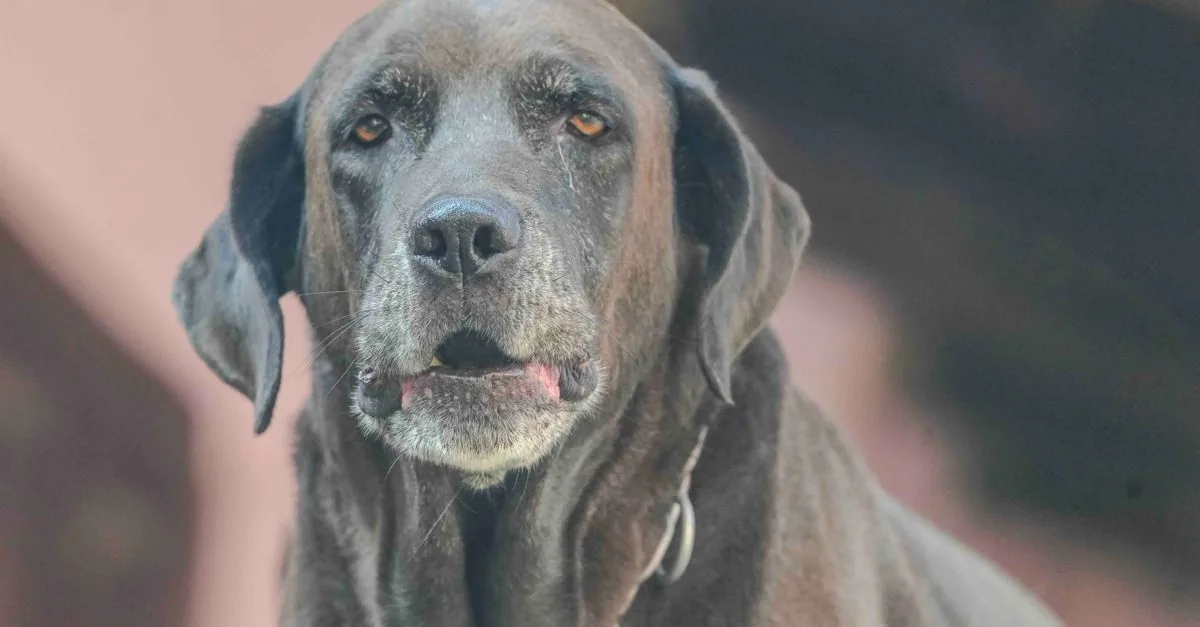
Dogs live 10-13 years on average, but lifespan depends heavily on size. Small breeds often reach 12-16 years, medium 10-13, large 8-12, and giant breeds usually 8-10 years. The bigger the dog, the faster it ages. Genetics, healthy weight, diet, exercise, and regular vet care all shape how long a dog lives.
Your dog can't read a calendar, but the clock runs anyway - and faster than yours. The good news: how many years you get together is partly in your hands. You can't change size or genetics, but weight, exercise and care? Absolutely. Here's the straight version: how long dogs live, why a small mutt often outlasts a Great Dane, and what genuinely adds years.
How long does the average dog live?
The average dog lives 10-13 years. But that average papers over huge differences between breeds. A small dog and a giant are running on two completely different biological clocks.
The core rule is simple: the bigger the dog, the shorter the life. Small breeds often push to 16 years, while giant breeds usually wind down around 8-10. It's one of the best-documented patterns in the dog world - and the opposite of what we expect from large animals (elephants outlive mice, but in dogs it flips).
Dog lifespan by size - the table
These ranges are averaged from large population studies. Your individual dog can land outside them either way.
| Dog size | Weight (rough) | Average lifespan | Example breeds |
|---|---|---|---|
| Small | up to ~10 kg / 20 lb | 12-16 years | Chihuahua, Dachshund, Maltese, Yorkshire Terrier |
| Medium | ~10-25 kg / 20-50 lb | 10-13 years | Beagle, Border Collie, Cocker Spaniel |
| Large | ~25-45 kg / 50-90 lb | 8-12 years | Labrador, German Shepherd, Boxer |
| Giant | over ~45 kg / 90 lb | 8-10 years | Great Dane, Saint Bernard, Mastiff |
Mixed breeds slot in wherever their adult weight lands - a Lab-sized mutt has Lab-sized odds.
Why do small dogs live longer?
This one puzzled scientists for years because it looks like a paradox. The biggest study on it - over 56,000 dogs across 74 breeds, led by Cornelia Kraus and her team - was clear: large dogs age faster. Their lives, as the researchers put it, seem to unwind in fast motion.
A few mechanisms drive it:
- Growth hormone and IGF-1. Large dogs grow fast and carry higher levels of these hormones. The very thing that makes them big also speeds up ageing and raises cancer risk.
- Higher cancer risk. In large breeds, that intense cell growth more often tips into tumours.
- Bodily strain. A bigger body puts more load on the heart, joints and overall physiology - it wears out sooner.
In practice: a large dog at 5-6 may already be a senior, while a small one the same age is only middle-aged.
What actually shapes a dog's lifespan?
Size sets the range. Where your dog lands inside it comes down to daily choices.
Genetics and breed
Some breeds carry built-in tendencies toward specific conditions (heart, joints, cancer). Mixed breeds often benefit from greater genetic diversity and inherit fewer breed-specific problems. You can't pick the genes - but when choosing a dog, it's worth knowing the breed's predispositions.
Weight - your biggest lever
This is the simplest dial you control. A study of over 50,000 dogs found that overweight dogs lived up to more than two years less than dogs in healthy condition. Excess weight strains joints and the heart and raises diabetes risk. You should be able to feel your dog's ribs under a thin layer of tissue, and see a waist from above. If you can't, it's time to act.
Exercise and enrichment
Regular movement keeps weight, muscle and heart in shape, while mental stimulation slows cognitive decline in seniors. We've broken down exactly how much your dog needs in how many walks a dog needs. Remember an older dog needs more rest too - more on that in how much dogs sleep.
Vet care and prevention
Regular check-ups catch problems before they turn serious. Add the prevention that genuinely extends life:
- Vaccines on schedule - more in our guide to the dog vaccination schedule.
- Regular deworming and protection against ticks and fleas.
- Dental care - periodontal disease is common and affects the whole body.
- Spaying or neutering - the effect on lifespan can be positive, but timing depends on breed and sex, so decide it with your vet.
Diet
A good-quality food matched to age, size and activity level is the foundation. Keep treats under 10% of daily calories so they don't sabotage the weight goal. For detailed diet questions, ask your vet, not the internet.
How do you know a dog is getting old?
Ageing isn't a disease, but it's worth reading. Typical signals: a greying muzzle, a slower pace on walks, stiffness getting up, longer sleep, less interest in play. That's all normal. Switch on alarm mode when the change is sudden and large - a jump in appetite, thirst, weight or activity. Those always deserve a vet visit.
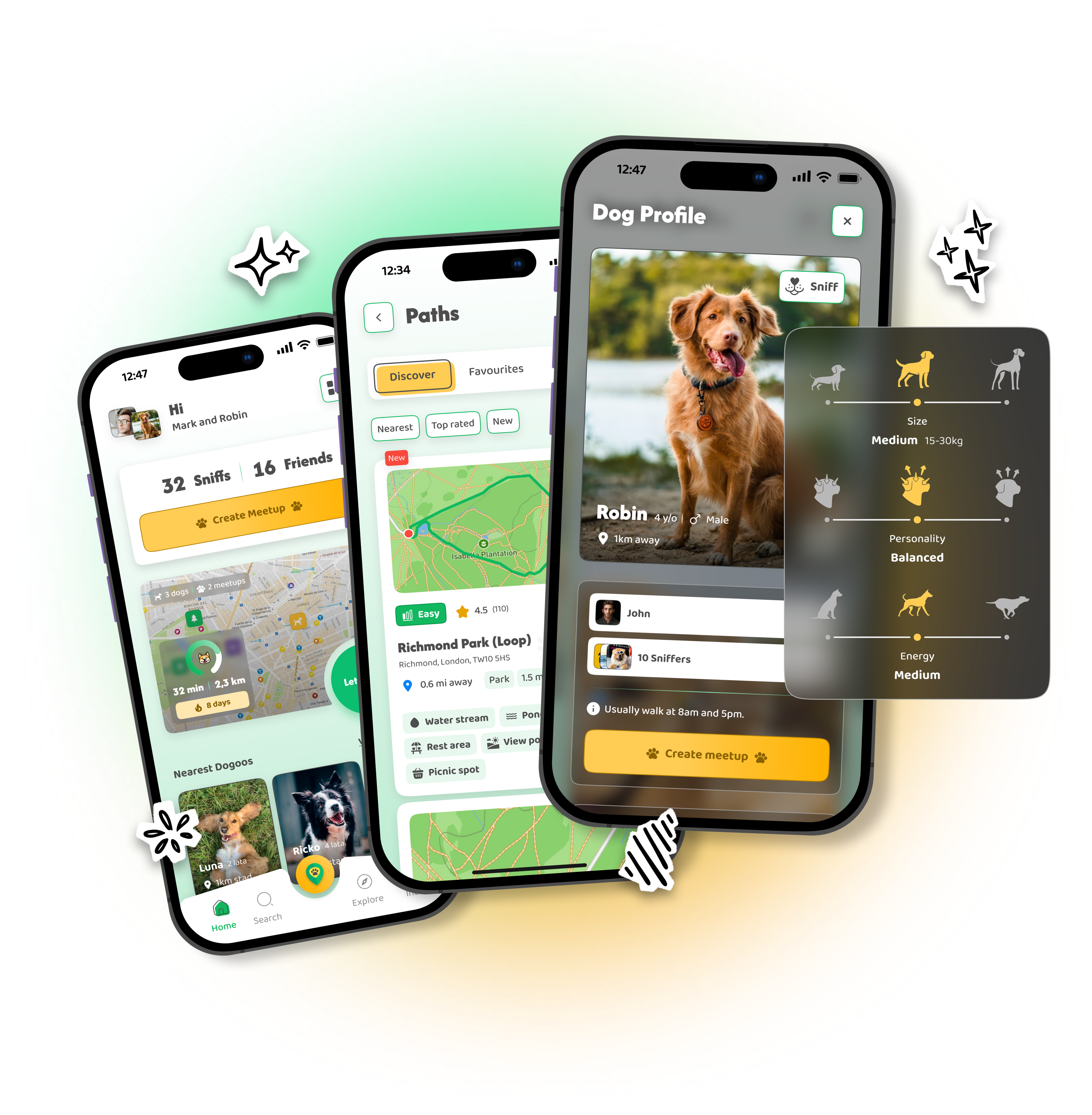
Every year with your dog counts, so don't waste any of them on the same dull loop around the block. Open the DOGOUT map, find fresh routes and spots nearby, and set up a walk with someone in your area. Movement, new stimulation and good company are exactly what makes a dog's life both longer and richer.
Frequently asked questions
- How long does the average dog live?
- The average dog lives 10-13 years. That figure averages across all breeds - small dogs usually live longer (12-16 years), while giant breeds live shorter (8-10 years).
- Why do small dogs live longer than large dogs?
- Large dogs age faster. They grow at a rapid pace and have higher growth hormone and IGF-1 levels, which is linked to accelerated ageing and higher cancer risk. A large dog at 5-6 may already be a senior, while a small dog the same age is only middle-aged.
- Which dog breed lives the longest?
- Small breeds tend to live longest - Chihuahuas, Dachshunds, Maltese and Yorkshire Terriers often reach 14-16 years, and some individuals longer. Exact lifespan also depends on genetics and care, not breed alone.
- Do mixed-breed dogs live longer than purebreds?
- Often, yes. Greater genetic diversity in mixed breeds lowers the risk of the inherited conditions common in some pedigree lines. Even so, size and daily care matter most.
- How can I help my dog live longer?
- Keep your dog at a healthy weight, feed a good diet, provide daily exercise and enrichment, look after their teeth, stay current on vaccines and parasite control, and book regular vet check-ups. Excess weight can cut a dog's life by more than two years.
- How do I know my dog is getting old?
- Common signs include a greying muzzle, slowing down, less interest in play, longer sleep, stiffness when getting up, and sometimes behaviour changes. A sudden large change in appetite, thirst or activity is a reason to see your vet.