Lumps in Dogs - When to Worry and How to Respond
A lump in a dog is any unusual swelling under or on the skin, and not every one means cancer. Many lumps are harmless fatty growths, cysts, or warts, but you cannot tell by look or feel alone. The only reliable way to know what a lump is, is a vet visit and a cell sample (fine-needle aspirate). Lumps that grow fast, bleed, ulcerate, or appear suddenly need urgent attention.
You're stroking your dog and suddenly feel a swelling under your fingers that wasn't there before. Your heart jumps and the worst word comes straight to mind. Take a breath - a lump in a dog is a very broad term, and genuinely not every one means cancer. This guide will help you understand what you can observe at home and what absolutely must be assessed by a vet. Let's say one thing up front: no internet description replaces an examination.
What a lump in a dog actually is
A lump is, put simply, any unusual swelling or mass that appears in a dog's body, most often felt under or on the skin. That one word covers very different things: from harmless cysts and fatty growths, through inflammation and abscesses, to benign and malignant tumours.
That's exactly why the word "lump" tells you nothing about danger on its own. The key question isn't "is it a lump" but "what kind of lump" - and only testing can answer that.
The most common types of lumps in dogs
Below are the lumps you'll most often come across. This is orientation, not a tool for self-diagnosis - you can't reliably identify any of them at home.
| Type of lump | Typical nature |
|---|---|
| Fatty lump (lipoma) | Benign, soft, often movable under the skin |
| Cyst | Benign, filled with fluid or secretion |
| Wart | Usually benign, common in older dogs |
| Abscess | Painful inflamed swelling, often after a bite or wound |
| Mast cell tumour | A tumour with a variable course, can look harmless |
| Mammary lumps | Need urgent assessment, especially in unspayed females |
Pay attention to the last two rows. The mast cell tumour is a master of disguise - it can look like an ordinary, innocent bump and still be malignant. That's the best proof of why a judgement "by eye" can't be taken seriously.
How a vet diagnoses a lump
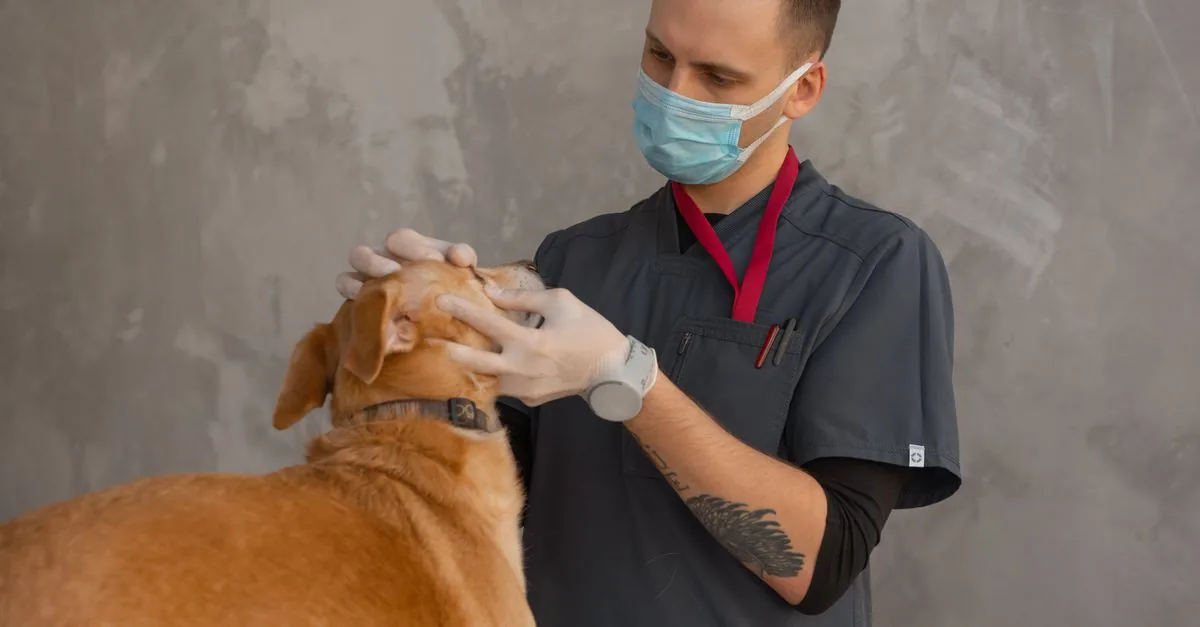
Diagnosing a lump usually starts with careful palpation and history-taking: when the lump appeared, how fast it's growing, whether it bothers the dog. The next step is often a fine-needle aspirate - the vet uses a thin needle to draw cells from the lump and examines them under a microscope. This test is quick, minimally invasive, and very helpful in pointing you in a direction.
In some cases a full surgical biopsy, histopathology of the removed lump, blood tests, or imaging (ultrasound, X-ray) are needed, especially when there's a need to check whether the process has spread. Which tests are required is decided by the vet based on the individual case.
Warning signs - when to see a vet urgently
Although many lumps are harmless, there are features that should prompt a quick visit. Get seen without delay when a lump:
- grows fast or changes shape over days or weeks,
- bleeds, weeps, or has ulcerated,
- is hard, fixed in place, and won't move,
- appeared suddenly alongside other signs: lethargy, loss of appetite, weight loss,
- is located near the mouth, the anus, or the mammary glands,
- clearly bothers the dog, hurts when touched, or the dog licks and scratches at it.
Even if none of these fit but the lump worries you, book a visit anyway. With lumps the rule is simple: better to check unnecessarily than to miss something that could have been caught early.
What not to do at home
A few things can genuinely cause harm, so they're worth avoiding:
- Don't pierce or squeeze a lump. You can cause infection, bleeding, and with some tumours actually make the problem worse.
- Don't apply home ointments or compresses without advice - they can mask signs and make diagnosis harder.
- Don't put off a visit "to observe" for weeks, hoping it will disappear. Watchful waiting only makes sense once a vet has examined the lump.
- Don't diagnose from internet photos. A picture of a benign fatty lump and a dangerous tumour can look identical.
You can, however, do something very useful: keep a simple note. Write down when you noticed the lump, how big it was at first (comparing it to a pea, a nut, and so on helps), and whether it's changing. That history is valuable information for your vet.
Outlook and prevention
The outlook for lumps in dogs varies enormously and depends above all on the type of lump and the point at which it reaches diagnosis. Many benign lumps don't shorten a dog's life by a single day. Even some malignant tumours, caught early, give good chances of successful treatment. That's why so much emphasis is placed on reacting quickly.
A few simple habits help with prevention: regular, gentle feeling of your dog while stroking or grooming (you get to know its body and spot changes sooner), keeping a healthy body weight, because obesity makes lumps harder to feel, and annual check-ups, especially for seniors. It's also worth remembering that skin changes are sometimes confused with other problems - our article on skin conditions in dogs covers more.
A lump in a dog sounds frightening, but in practice the most important thing is one thing: don't guess, get it tested. Your alertness during everyday contact with your dog and a quick vet visit are the best things you can do for its health and for a calm, long road together.
Sources
Frequently asked questions
- Does every lump in a dog mean cancer?
- No. A large share of lumps in dogs are benign - fatty lumps, cysts, warts, or abscesses. The problem is that you can't tell a benign lump from a malignant one by look or feel. That's why every new lump should be seen by a vet, and if there's any doubt, cells should be sampled for testing.
- How do I tell a fatty lump from a dangerous one?
- You can't do it yourself, and that's the single most important thing to know here. Fatty lumps are often soft and movable, but some malignant tumours look identical. Certainty only comes from testing cells taken with a fine needle (a fine-needle aspirate), performed by a vet.
- My dog's lump is growing fast - what should I do?
- Rapid growth is one of the warning signs that calls for an urgent vet visit. Don't wait and watch for weeks. The sooner a lump is examined, the more treatment options there are, and the better the outlook if it turns out to be malignant.
- Are lumps normal in an older dog?
- Older dogs get more lumps and many are benign, such as warts or fatty growths. That doesn't mean you can ignore them. Cancer risk rises with age, so it's worth showing every new lump to a vet rather than assuming it's just old age.
- How much does it cost to check a lump on a dog?
- The cost depends on the clinic and how much diagnostics are needed. A basic fine-needle aspirate with cytology is usually relatively inexpensive compared with surgery and quickly points you in a direction. Your clinic will always give an exact quote, so it's worth asking before the visit.
- Does a lump always have to be removed?
- Not always. The decision depends on the type of lump, its location, how fast it grows, and whether it bothers the dog. Some benign lumps can be monitored, others need removing. That decision is always made by a vet based on testing, not on how the lump looks.