Dog Dehydration - Signs, Home Tests and First Aid
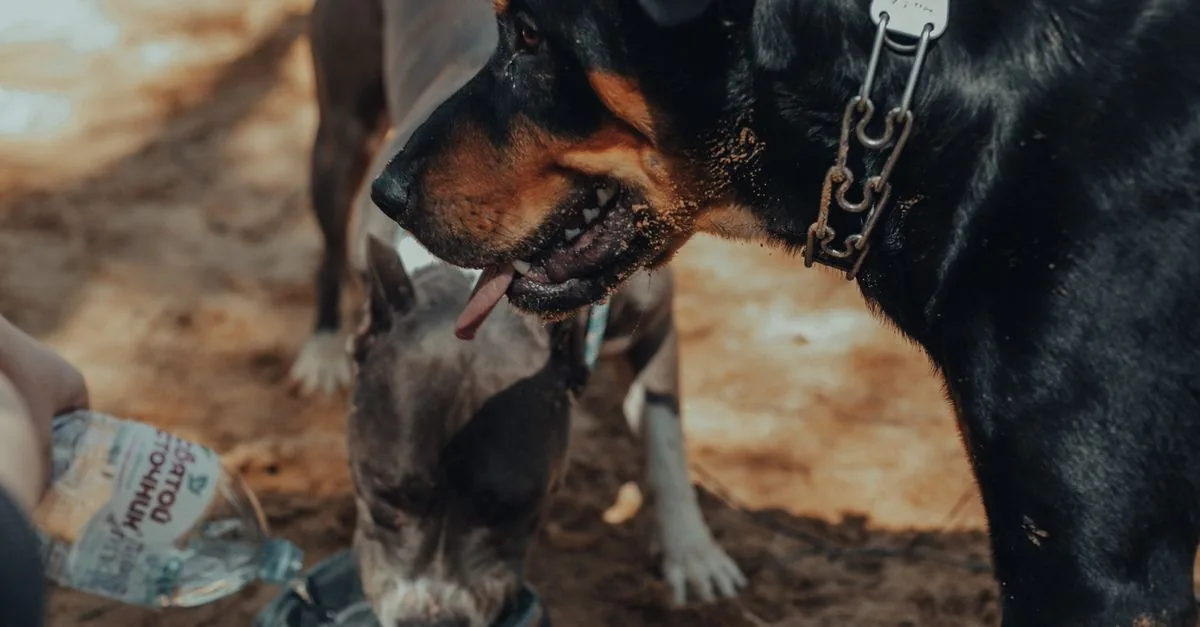
Dehydration in dogs shows up as dry or sticky gums, slow skin-tent return, sunken eyes, dark urine and lethargy. For mild cases, offer small amounts of cool fresh water frequently. If your dog is vomiting, has diarrhoea, is very weak or the symptoms do not improve - get to the vet without delay.
Water is not just a habit. It is the foundation of a dog's health and how their body stays cool. When fluid levels drop, the body signals it fast - and knowing how to read those signals early can make a real difference.
Why is dehydration dangerous?
Water makes up roughly 60% of a dog's body weight. It carries nutrients, flushes waste, regulates body temperature and keeps every organ working. Dehydration is graded as a percentage of body weight lost: at 4-5% the gums are already going tacky, at 8-10% the eyes sink and the pulse turns weak and fast, and from 12% the skin loses its elasticity entirely and consciousness can be affected. The further up that scale, the more urgent the vet visit.
Dehydration and overheating often go together. Hot weather, hard exercise, a fever or a bout of vomiting can drain fluid reserves faster than you might expect. That is why summer walks and active play demand extra attention - we cover the specifics in our guide to walking your dog in hot weather.
How to spot dehydration in your dog
Symptoms to watch for
| Symptom | What it signals |
|---|---|
| Dry, sticky or pale gums | One of the first signs of fluid loss |
| Thick, stringy saliva | Concentrated by lack of water |
| Slow skin-tent return | Skin loses elasticity |
| Sunken eyes | A sign of significant dehydration |
| Dark urine with a strong smell | Kidneys concentrating urine |
| Lethargy, low energy | Dog unwilling to walk or play |
| Rapid breathing or open-mouth panting | May also signal overheating |
Two quick home tests
The skin tent test - gently pinch and lift the skin on the scruff of the neck, then release. In a properly hydrated dog it springs back immediately. If it returns slowly or holds its shape for a moment, that is a dehydration signal. Note: in older dogs and loose-skinned breeds the result can be harder to read.
The capillary refill time (CRT) test - lift your dog's lip and press a finger on the pink gum until it turns white. Release and count; normal is 1-2 seconds. Note what this actually measures: circulation, not hydration. In the American Journal of Veterinary Research study cited below, CRT was not a significant predictor of dehydration - skin turgor was. A prolonged CRT is still a signal that something is wrong and warrants a call to your vet.
How much water does a dog need?
The general guideline is 40-60 ml of water per kilogram of body weight per day. A 10 kg dog should be drinking roughly 400-600 ml. Drinking more than 100 ml per kilogram per day counts as polydipsia and is worth a vet visit. That is the starting point - needs go up with:
- high temperatures
- heavy physical exercise
- fever or illness
- a dry kibble diet (dry food is 3-11% water while canned food runs from 60% to over 87%, so dogs on wet food already meet part of their needs through meals)
Keep fresh, clean water available at all times - at home and on walks. In warmer months, pack a foldable bowl and a bottle of water whenever you head out.
What causes dehydration - when is the risk higher?
The most common causes are:
- Heat and overheating - dogs cool themselves by panting, which releases a large amount of moisture
- Vomiting and diarrhoea - rapid loss of fluids and electrolytes
- Fever - raises the body's water demand
- Intense exercise - a long run or vigorous play in warm weather
- No access to water - a forgotten bowl or water left standing in the sun that has become too warm
- Chronic illness - diabetes, kidney disease and some infections can accelerate fluid loss
First aid for a dehydrated dog
If you suspect mild dehydration and your dog is alert, able to stand and not vomiting:
- Move your dog to a cool, shaded spot.
- Offer cool fresh water in small amounts - a few sips every few minutes. Too much at once can trigger vomiting and worsen the situation.
- Do not force your dog to drink - forcing water can cause choking.
- Watch your dog closely for the next few hours.
When to go to the vet immediately:
- Your dog is very lethargic, struggling to stand, or loses consciousness
- Vomiting or diarrhoea will not stop and the dog cannot keep any fluid down
- Gums are greyish-white or bluish
- Eyes are visibly sunken
- You suspect heatstroke
In these situations, do not try to manage things at home. Severe dehydration needs IV fluids and veterinary supervision - offering water alone is not enough. For more on recognising emergencies, see our guide to first aid for dogs.
How to prevent dehydration
Daily habits that make the difference:
- Keep a fresh, clean bowl of water somewhere your dog can always reach it - refill and rinse it at least once a day.
- Bring water for your dog on every walk, especially in warm weather or on longer routes.
- On hot days, skip the midday outing - go early morning or in the evening instead.
- After any active walk, let your dog rest in a cool spot and offer water before they are clearly desperate for it.
- Pay attention to how much your dog normally drinks - a sustained drop in intake for more than a day is worth discussing with your vet.
Dogs with dark coats and short muzzles - brachycephalic breeds like pugs, French bulldogs and English bulldogs - overheat far more quickly than others and need extra care in warm weather.
Fresh water and a bit of planning - that is most of what it takes to keep your dog safe on warm days. Check the DOGOUT map before you head out to find parks with shade, spots with water points for dogs, and routes that other owners have marked as walk-friendly. Pack the water, choose the right time of day, and get out there.
Sources
- Common Emergencies in Dogs - VCA Animal Hospitals
- Evaluation of skin turgor and capillary refill time as predictors of dehydration in exercising dogs - American Journal of Veterinary Research
- Diarrhea - Cornell Riney Canine Health Center
- The Fluid Resuscitation Plan in Animals - Merck Veterinary Manual
- Nutritional Requirements of Small Animals - Merck Veterinary Manual
- Polyuria and Polydipsia - Cornell Riney Canine Health Center
Frequently asked questions
- How do I check if my dog is dehydrated?
- The skin tent test is the one to trust: gently pinch the skin on the scruff of the neck, lift it, and release. In a well-hydrated dog it snaps back in under a second, and a slow return points to dehydration. Dry, tacky gums instead of moist ones are another sign. Capillary refill (pressing the gum until it whitens, colour back within 1-2 seconds) tells you about circulation rather than hydration - it did not hold up as a dehydration indicator in research - but a slow refill still means call your vet.
- How much water does a dog need each day?
- A healthy dog needs roughly 40-60 ml of water per kilogram of body weight daily - so a 10 kg dog needs around 400-600 ml. Above 100 ml per kilogram per day counts as excessive drinking and is worth checking with a vet. Needs increase in hot weather, after exercise, during illness and when feeding dry kibble. Always keep fresh water available.
- What should I do if my dog is dehydrated?
- For mild dehydration, offer small sips of cool fresh water every few minutes. Do not force large amounts at once - that can trigger vomiting and make things worse. If your dog is vomiting, has diarrhoea, refuses to drink, is very weak or shows serious symptoms, go to the vet. An intravenous drip may be needed.
- Does wet food help with dog hydration?
- Yes. Canned food runs from 60% to over 87% water, so dogs eating it get a significant part of their daily fluid intake from meals. Dogs on dry kibble need to drink more water, making constant access to fresh water especially important for them.
- When is dehydration a vet emergency?
- Go to the vet immediately if your dog is very lethargic or struggling to stand, cannot keep water down due to vomiting or diarrhoea, has sunken eyes, or the gums are very dry, pale or greyish-white. These are signs of severe dehydration that needs urgent treatment.
- Why might my dog refuse to drink water?
- Possible reasons include a dirty or misplaced bowl, stale water, stress, pain, nausea, or an underlying illness. If your dog drinks noticeably less than usual for more than a day - especially with other symptoms - it is worth a call to your vet.