

Dog Refuses Dry Food but Eats Everything Else - Why
If your dog turns down dry kibble but happily eats treats and wet food, the most likely cause is pain when chewing (dental or gum disease), a change in the food's taste or smell (a new batch, an opened bag going stale), or learned pickiness. This is different from refusing to eat entirely - if your dog won't eat anything at all, not even favorite treats, that's a separate, more serious signal covered in our article on a dog that won't eat. Persistent refusal of dry food, especially with bad breath or drooling, is worth checking with your vet for a dental cause.
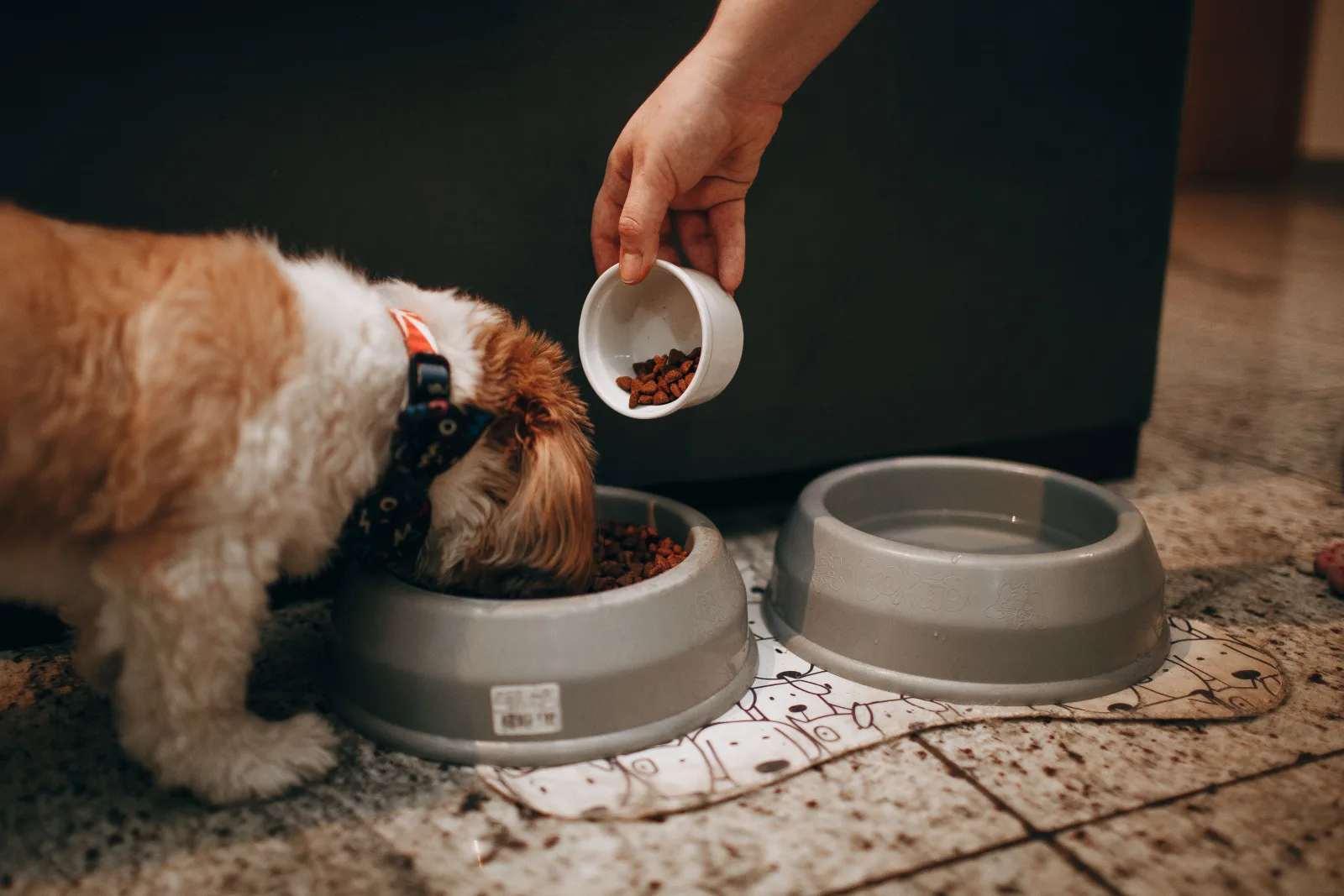
The dry food bowl sits untouched, while the same treats or a spoonful of wet food disappear in seconds. This is a common scenario, and usually less worrying than a total refusal to eat - but it's worth understanding, because sometimes it hides real discomfort, not just a preference.
Common causes
Pain while chewing. This is one of the more common, and most often overlooked, causes. Gum disease, a cavity, an abscess or a loose tooth make crunching hard pieces of dry food painful, while soft treats and wet food - which don't require the same chewing - go down without a problem. Dogs rarely show pain openly, so this signal is easy to miss.
Less appealing smell and taste. Dry food usually has a milder, less intense smell than treats or wet food, and smell is the main thing that draws a dog to eat. It's not that the food is bad - it just loses in a direct comparison.
Loss of freshness. An opened bag of dry food loses quality over time - the fats can turn rancid, and your dog will smell that long before you do. Check the expiry date and how long the bag has been open.
Learned pickiness. If a dog refuses food once and gets something tastier instead, they quickly learn that refusal pays off. It's not a matter of personality - it's a pattern you may be reinforcing without realizing it.
How to tell whether it's a health issue or pickiness
A picky but healthy dog has good energy, a normal weight, and eagerly goes for anything tastier - the refusal is selective, not total. Signs that point more toward a health cause than a simple preference:
- bad breath or a noticeable smell from the mouth,
- drooling, especially while eating,
- hesitation or difficulty chewing harder items,
- tilting the head while eating, as if looking for a more comfortable side,
- a drop in energy or weight despite still eating treats.
If your dog won't eat at all - not even favorite treats and wet food - that's a different, more serious situation, covered in more detail in our article on a dog that won't eat. It's worth knowing the difference between selective refusal of dry food and a total loss of appetite, which calls for a faster response.
What you can do
- Check the food's expiry date and freshness. Keep an opened bag tightly sealed, ideally somewhere cool and dry.
- Introduce changes gradually. Mix new food with old over several days instead of switching overnight.
- Set a feeding rhythm. Leave the bowl down for 15-20 minutes, then pick it up regardless of how much your dog ate. No extras between meals.
- Don't immediately swap in something tastier. If your dog refuses and you instantly offer something better, you're teaching them that waiting pays off.
- Check your dog's mouth, if you can do so without causing stress - look for red gums, tartar buildup, or broken teeth.
When to see a vet
Book a dental check-up if you notice bad breath, drooling, blood on chew toys, difficulty opening the mouth, or clear pain while eating. Also get checked if refusing dry food starts turning into a general loss of appetite, or comes with weight or energy loss - that goes beyond ordinary pickiness.
It's worth remembering that dental problems usually build up slowly - tartar and gum inflammation develop over months before the pain becomes strong enough that a dog starts refusing hard food. A regular look inside the mouth, even without obvious symptoms, helps catch the problem before it affects appetite.
A well-fed dog is a dog with energy for a long walk. Find places to explore near you on the DOGOUT map and plan a meetup with the pack once the food situation sorts itself out.
Sources
Frequently asked questions
- Why does my dog eat treats and wet food but not dry kibble?
- Most often it's pain when crunching hard pieces (a dental or gum problem), since soft treats and wet food don't require the same chewing. Another common reason is simply that dry food smells and tastes less appealing next to more aromatic treats.
- Can a new batch or an opened bag make a dog refuse food?
- Yes. Dry food loses freshness after the bag is opened, especially if it sits unsealed for a while - the fats can go rancid, and your dog will smell that long before you notice anything. Check the expiry date and how the food has been stored before assuming it's a matter of your dog's personality.
- How do I tell whether it's pickiness or a health issue?
- A picky but healthy dog usually has good energy, a normal weight, and eagerly eats tastier options - the refusal is selective, not total. If you're also seeing a drop in energy or weight, bad breath, drooling, or difficulty chewing, that points more toward a health cause than a simple preference.
- How do I break a picky dry-food habit?
- Set consistent feeding times, leave the bowl down for 15-20 minutes, then pick it up regardless of whether your dog ate. Don't feed extras between meals or immediately swap in something tastier when your dog refuses - that teaches them refusal pays off. Introduce changes gradually, mixing new food with old over several days.
- When does refusing dry food need a vet visit?
- When you notice bad breath, drooling, blood on chew toys, difficulty opening the mouth, or clear pain while eating - these point to dental disease that needs a check-up. Also see a vet if refusing dry food turns into refusing food altogether, or comes with weight or energy loss - that's a different, more serious issue.