Dog Anal Glands - Symptoms, Impaction and When to See a Vet
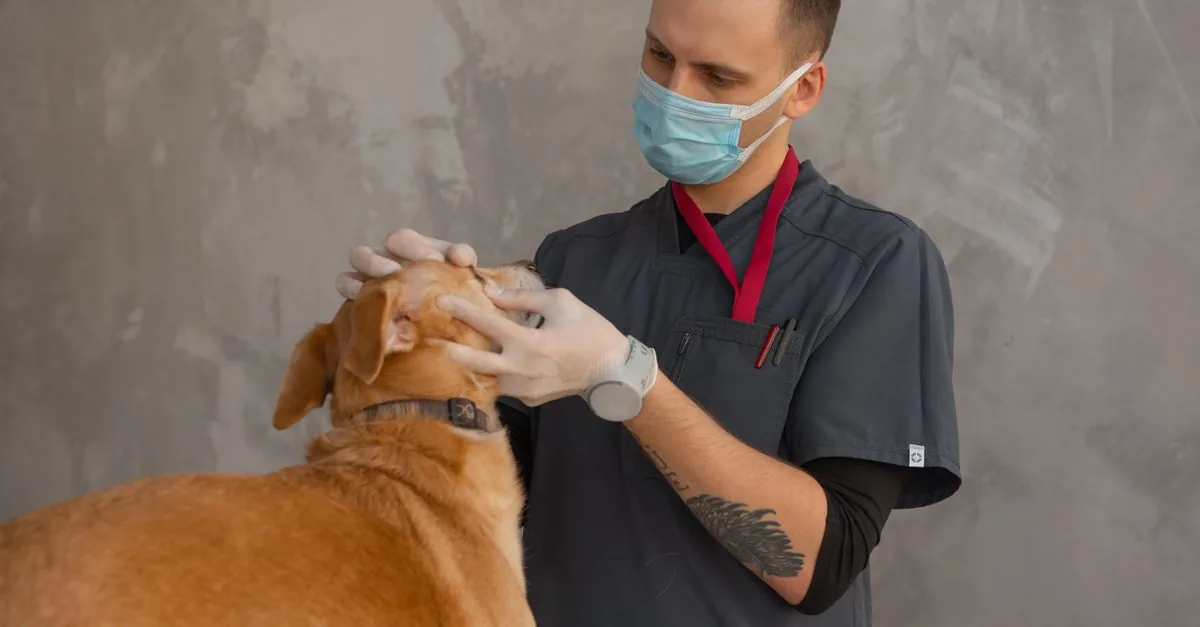
Anal glands are two small pouches on either side of your dog's anus that release a scent used for communication. In healthy dogs they empty naturally during defecation. When that does not happen, dogs start scooting, licking and chewing at the base of their tail - a clear sign the glands are full or blocked and a vet visit is needed. Never squeeze the glands yourself without veterinary instruction and assessment.
Anal glands are one of those body parts most owners never think about - until their dog starts scooting across the living room carpet or releasing a fishy smell that has nothing to do with dinner. The good news: caught early, this is usually a simple fix. You just need to know what to look for.
What are anal glands and what do they do?
Anal glands (also called anal sacs) are two small pouches sitting roughly at the 4 o'clock and 8 o'clock positions on either side of your dog's anus. They produce an oily, intensely smelly fluid that carries your dog's unique scent signature. This is why dogs spend so long sniffing each other on walks - and why they are so interested in each other's toilet spots. The anal glands function as a kind of personal ID card in the canine world.
In a healthy dog the fluid is squeezed out naturally every time a firm stool passes. Problems start when the secretion thickens and blocks the duct, or when stools are consistently too soft to provide the pressure needed for natural emptying.
Symptoms - how to tell something is wrong
The signs are usually hard to miss:
- Scooting - your dog sits down and drags its rear end along the floor or grass. This is the most recognisable symptom.
- Excessive licking and chewing around the base of the tail or the rear end generally.
- A strong, fishy smell from the rear end, even after a bath.
- Reluctance to sit or difficulty getting comfortable.
- Straining during bowel movements, sometimes with whimpering.
- Swelling or redness near the anus - a more urgent warning sign that may point to an abscess.
Worth noting: scooting can also be caused by intestinal worms. If you are unsure, your vet can tell the two apart in a quick examination. Regular deworming is part of the same hygiene picture - worms and full glands can both cause similar behaviour.
The four stages - from full to abscess
Anal gland problems usually follow a progression:
| Stage | What is happening | Typical signs |
|---|---|---|
| Full glands | Glands are filled but the duct is still open | Scooting, licking, fishy odour |
| Impaction | Secretion has thickened and blocked the duct | Strong discomfort, no natural emptying |
| Infection | Bacterial infection of the gland | Pain, swelling, possible fever |
| Abscess | Pus has built up, risk of rupture | Severe pain, red or purple skin, discharge |
The earlier you act, the simpler and cheaper the solution. Impaction is resolved by manual expression at the vet. An abscess needs antibiotics and often surgical drainage and flushing. In chronic, recurrent cases the vet may discuss surgical removal of the glands (sacculectomy).
When to see a vet
Any time your dog is scooting or showing the symptoms above - this does not resolve on its own, and waiting leads to complications. Go to a vet urgently if you notice:
- swelling, redness or a bluish-purple discolouration near the anus
- discharge of pus or blood from or near the anus
- your dog yelps, growls or tries to bite when the tail area is touched
- your dog stops eating, becomes lethargic or runs a temperature
An anal gland abscess is not a situation to sleep on - it needs prompt attention to prevent the infection from spreading.
Expression - yes or no?
Anal gland expression is not something every dog needs, and it should not be done as a blanket preventive measure. Most dogs manage perfectly well on their own throughout their entire lives. Repeated manual expression without a clinical reason can actually make things worse: it irritates the gland tissue, narrows the duct over time, and creates a dependency on regular intervention.
Your vet will assess whether your dog actually needs expression and how often. If regular help is genuinely required, they can also show you a safe external technique for home use - but this is not something to attempt without prior instruction.
Prevention - what you can do
Healthy anal glands are often a question of healthy stools. A firm, compact stool compresses the glands naturally - soft or unformed stools do not.
- Feed a balanced, fibre-rich diet. Vegetables such as carrots or pumpkin help produce the right stool consistency.
- Keep your dog at a healthy weight. Excess fat tissue around the glands makes natural emptying harder.
- Regular walks and movement support healthy digestion and regular bowel habits.
- If your dog belongs to a predisposed breed (see FAQs), it is worth discussing a prevention plan with your vet early.
Anal gland care is one part of broader dog hygiene - alongside ear cleaning and dental care, it forms a routine that catches problems before they become serious.
More walks, more movement, better digestion - and better digestion means a lower chance of blocked glands. If you are looking for new routes or want to find dog-friendly spots near you, check the DOGOUT map. Get out there with the pack.
Sources
Frequently asked questions
- Why is my dog scooting on the floor?
- Scooting is the most common sign of full or blocked anal glands. Your dog is dragging its rear end along the floor to relieve itching or pressure. It can also indicate worms, so a quick vet check is the right call rather than waiting to see if it passes.
- How often do dog anal glands need to be expressed?
- Most dogs never need help - the glands empty on their own with every firm bowel movement. If your vet finds a problem, they will set a schedule suited to your individual dog. Routine preventive expression without a clinical reason can cause more harm than good over time.
- Can I express my dog's anal glands at home?
- Only if your vet has shown you the correct technique and confirmed it is appropriate for your dog. Wrong pressure, wrong angle, or expressing inflamed or infected glands can cause pain, tissue damage or rupture. Always have the first expression done by a vet.
- Which dog breeds are most prone to anal gland problems?
- Small breeds are affected more often: Poodles, Chihuahuas, Shih Tzus, Bichon Frises, Cocker Spaniels, Dachshunds, Beagles and Bulldogs (French and English) are commonly cited. Older dogs and overweight dogs of any breed also have a higher risk.
- When is an anal gland problem an emergency?
- Get to a vet quickly if you see swelling or redness near the anus, discharge of pus or blood, your dog cries in pain when the tail area is touched, or blood appears in the stool. An anal gland abscess is not a wait-until-tomorrow situation.
- Does diet affect anal gland health?
- Yes. A firm, well-formed stool naturally compresses the glands during defecation. High-fibre diets - vegetables, pumpkin, carrots - help maintain the right stool consistency. Soft or irregularly shaped stools are a common trigger for gland impaction.