Can Dogs Eat Pumpkin? Yes - And It Settles Their Gut
Yes, dogs can eat pumpkin - plain, cooked or canned (100% pumpkin, no additives). VCA lists it among its home remedies for diarrhoea: high in soluble fibre, pumpkin helps bind stool. Feed it in small amounts. Avoid sweetened, spiced pie filling and raw pumpkin, which is hard to digest.
Pumpkin is one of the few vegetables that vets actually recommend to settle a mildly upset stomach. You can share it, and with a real benefit too - as long as it is plain pumpkin and not sweet pie filling. Here are the specifics: which form, how much, and what to watch out for.
What does pumpkin offer a dog?
Pumpkin is low in calories yet packed with nutrients that support a dog's health. The AKC and PetMD both list it as a safe, worthwhile addition to the bowl. Plain cooked or canned pumpkin provides:
- soluble fibre - regulates gut function and stool consistency
- vitamin A - supports vision and skin
- potassium - important for heart and muscle function
- vitamin C - helps immune function
- plenty of water - hydrating and filling without piling on calories
The fibre is the part vets actually reach for. VCA lists plain canned pumpkin among its home remedies for diarrhoea: high in soluble fibre, pumpkin can help bind stool. That is the sourced, dependable use.
One honest caveat before you buy a crate of it. Tufts veterinary nutritionists point out that the amount and type of fibre in pumpkin limits how much work it can really do - to match the fibre in a therapeutic diet you would have to feed a medium dog close to 12 cups a day, which nobody is doing. Treat pumpkin as a gentle nudge for a mildly upset gut, not as a fibre supplement. And for constipation, ask your vet: VCA notes that either a low- or a high-fibre diet may be right depending on the cause.
What kind of pumpkin can dogs eat?
This is where the whole thing hinges. Only plain pumpkin is safe - nothing else in the ingredient list.
| Form of pumpkin | Safe? | Why |
|---|---|---|
| Cooked or roasted, no additives | Yes | Soft, easy to digest, full of fibre |
| Canned 100% pumpkin (no additives) | Yes | Convenient, smooth and consistent |
| Raw pumpkin | No | Tough, hard to digest, choking risk |
| Pumpkin pie filling | No | Sugar, spices, nutmeg, sometimes xylitol |
| Fried or seasoned pumpkin | No | Fat, salt, and spices strain digestion |
Remember one thing: pumpkin pie filling is not pumpkin. It carries sugar, a spice blend, and often nutmeg, which is toxic to dogs. Some ready-made products also contain xylitol, a sweetener that is dangerous to dogs even in small amounts. Read the label and pick a product with a single ingredient: pumpkin.
How to serve pumpkin to your dog
A few simple steps:
- Choose plain pumpkin - cooked, roasted, or canned (100%, no additives)
- Make sure it is soft, with no skin or seeds
- Mash it into a purée or cut it into small pieces
- Mix it into their food or offer it as a separate topper
- Do not add salt or spices - plain pumpkin is plenty on its own
In summer, frozen pumpkin purée also works as a cooling treat. If you are introducing pumpkin for the first time, start with a small amount and watch your dog for a day or two.
How much pumpkin is the right portion?
Pumpkin is healthy, but more is not better. Too much fibre can loosen the stool and cause diarrhoea - the opposite of what you wanted. Stick to small portions:
- small dog (under 10 kg): about 1 teaspoon a day
- medium dog (10-25 kg): 1-2 teaspoons a day
- large dog (over 25 kg): 1-2 tablespoons a day
When you add fibre, make sure your dog has access to fresh water - it matters for hydration and gut function. As with any treat, the 10% rule applies: extras should not exceed one tenth of daily calorie needs.
When should you check with your vet?
Pumpkin is a supplement, not a medicine. Talk to your vet before relying on it for:
- persistent diarrhoea or constipation (pumpkin alone will not fix a bigger problem)
- chronic conditions where your dog is on a special diet
- a sudden change in appetite, vomiting, or lethargy
Pumpkin fits most diets, but it works best as part of a plan, not as a substitute for one.
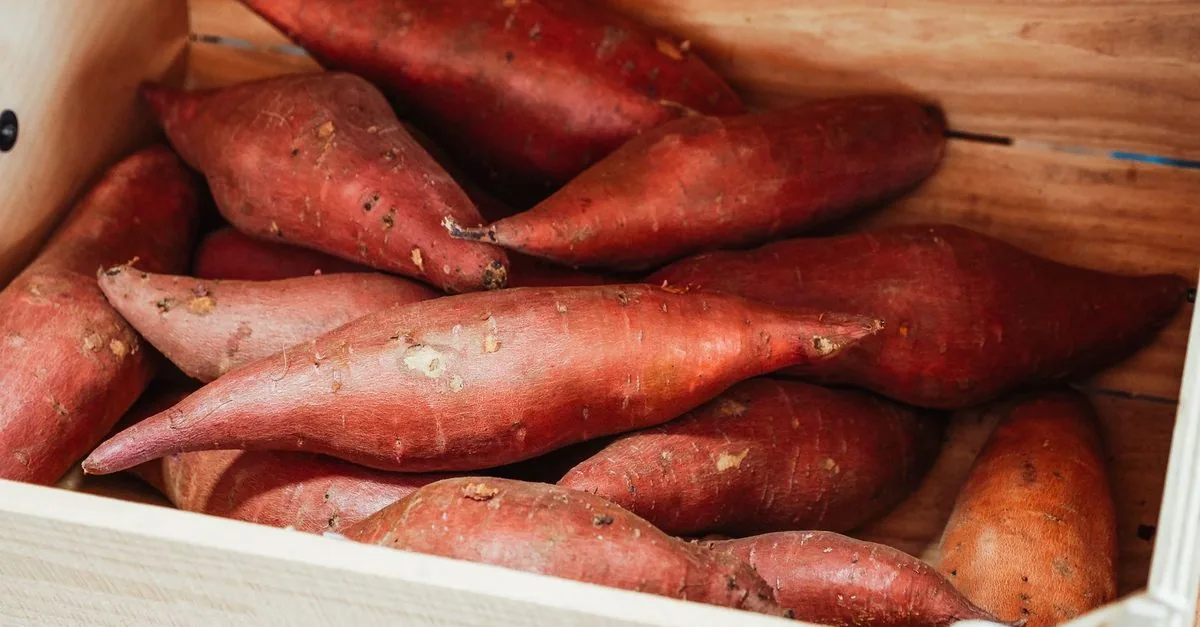
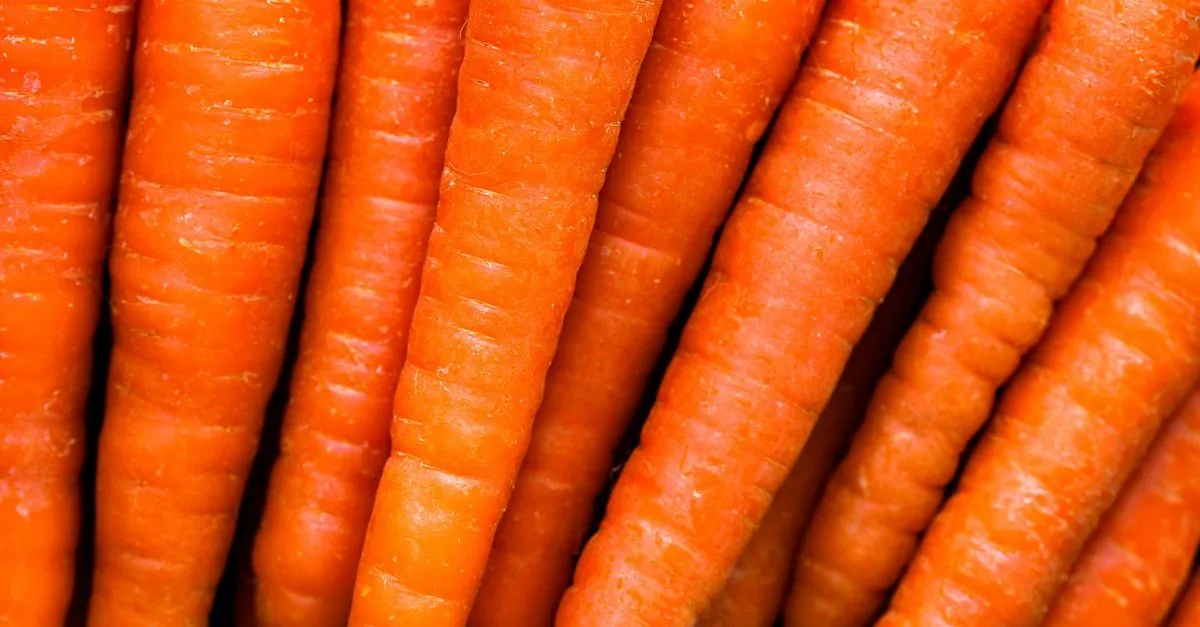
Looking for other veggie toppers? See why sweet potato also needs to be cooked, and how crunchy carrots make a great low-calorie snack. For a full rundown of safe and unsafe foods, visit what dogs can and cannot eat.
A spoon of pumpkin in the bowl, then head out. Open DOGOUT and see where dogs in your area are exploring today - join a walk before the same old block route gets stale.
Sources
Frequently asked questions
- Is pumpkin good for dogs?
- Yes. Plain cooked or canned pumpkin provides soluble fibre that, according to VCA, helps bind stool, plus vitamin A and potassium. Feed it in small amounts as a supplement, not a replacement for their food.
- Can dogs eat pumpkin for diarrhoea or constipation?
- For diarrhoea, yes - VCA lists plain pumpkin among its home remedies, because its soluble fibre helps bind stool. For constipation it is less clear-cut: VCA notes that either a low- or a high-fibre diet may be right depending on the cause, so ask your vet. Either way, pumpkin is support, not a cure.
- Can dogs eat raw pumpkin?
- Better not. Raw pumpkin is tough, hard to digest, and can pose a choking or blockage risk. Serve pumpkin cooked, roasted, or canned with no additives.
- Is pumpkin pie filling safe for dogs?
- No. Pie filling contains sugar, spices, and often nutmeg, which is toxic to dogs, and sometimes the sweetener xylitol. Only feed plain (100%) pumpkin.
- How much pumpkin can I give my dog?
- Roughly 1 teaspoon for a small dog, 1-2 teaspoons for a medium dog, and 1-2 tablespoons for a large dog of plain pumpkin per day. Start small and watch your dog - too much fibre can loosen the stool.
- Can dogs eat pumpkin seeds?
- Plain, unsalted, unseasoned pumpkin seeds are not toxic, but they should be ground and given in tiny amounts. If in doubt, skip them or ask your vet.