What Dogs Can and Can't Eat - Safe and Toxic Foods for Dogs
Dogs can eat many fruits and vegetables - apples (without seeds), carrots, strawberries, blueberries and bananas in small amounts are safe. Absolutely toxic foods include: grapes and raisins, chocolate, onions and garlic, xylitol, macadamia nuts, alcohol, raw yeast dough and caffeine. Feeding these can trigger acute kidney failure, haemolytic anaemia or death. At any sign of poisoning, call your vet immediately.
Sharing food with your dog is as natural as breathing. You look into those eyes at the table and you just want to give them a piece. The problem is that a few foods that are perfectly healthy for you can be deadly for your dog. This guide is your compass - check here before you share anything.
Quick table: safe and toxic foods for dogs
| Food | For dogs | Important note |
|---|---|---|
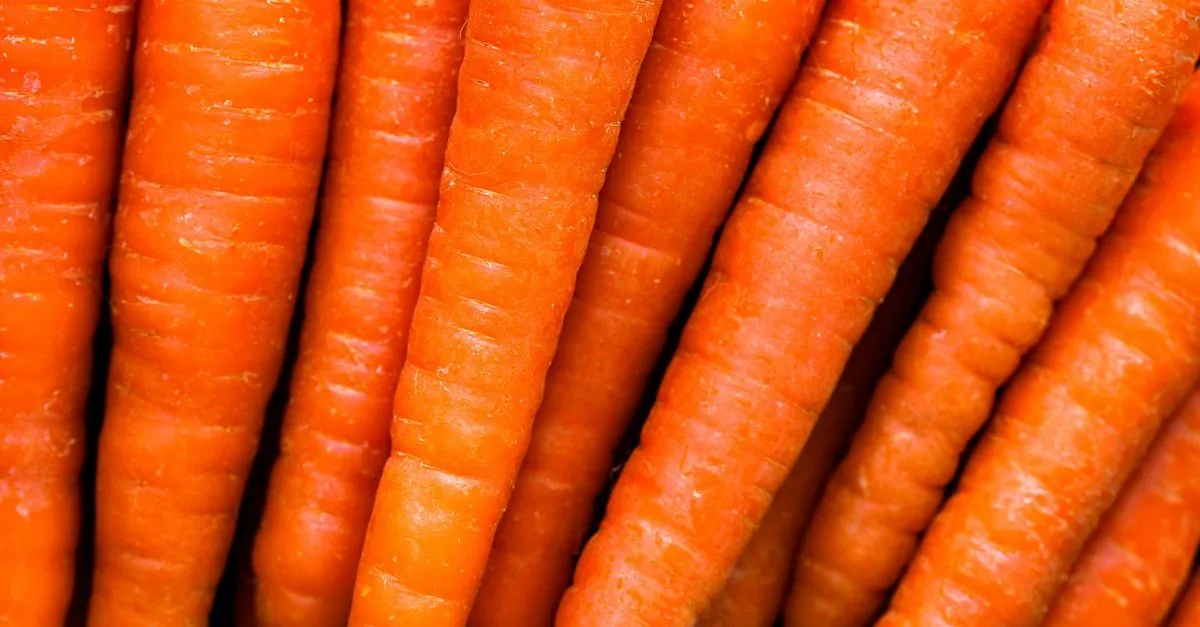
| Carrots | YES | Low-calorie, crunchy snack |
| Apples | YES | Always remove seeds and core - they contain cyanide compounds |
| Strawberries | YES | In moderation - high natural sugar |
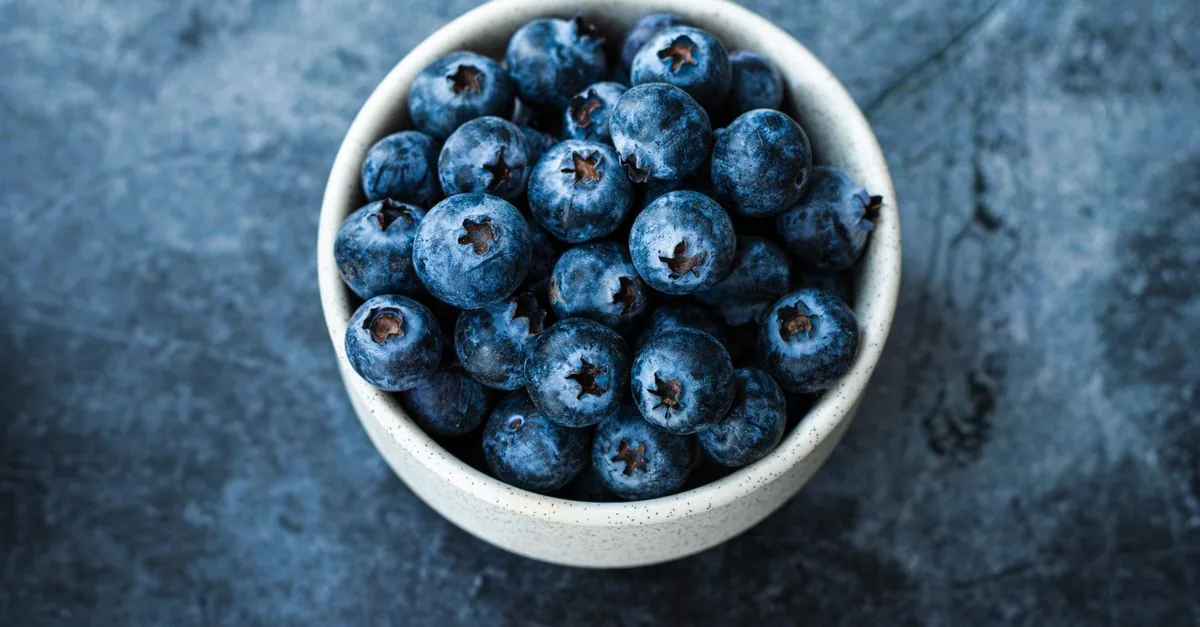
| Blueberries | YES | Great treat; antioxidants |
| Banana | YES | Small amounts - high sugar content |
| Cooked chicken (plain, unseasoned) | YES | Classic safe protein treat |
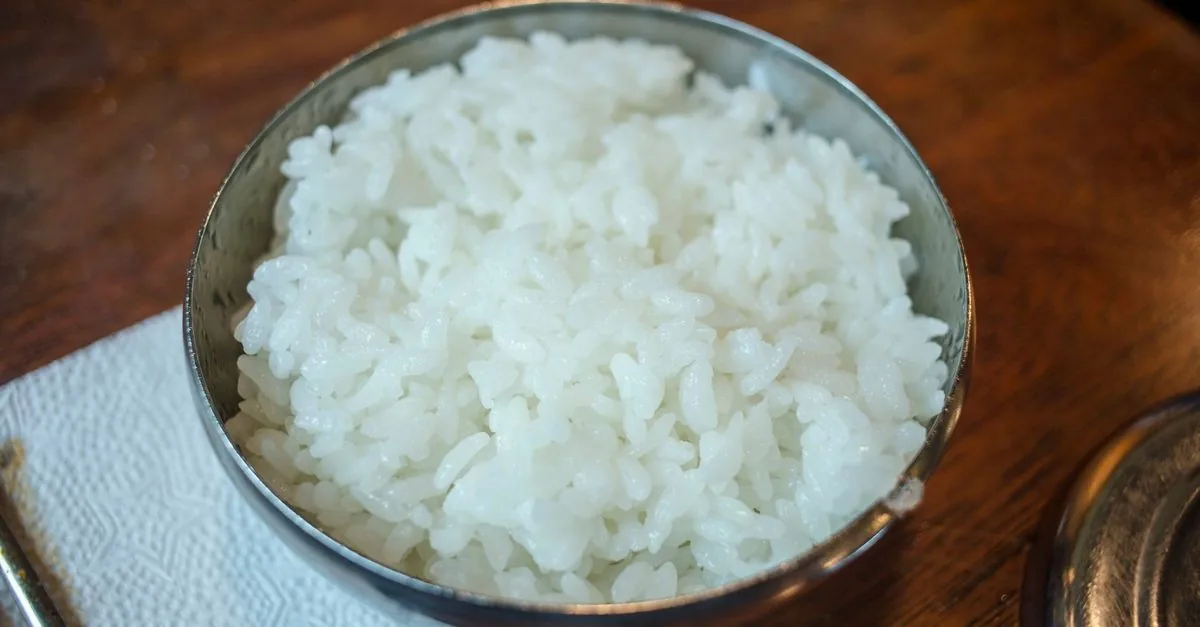
| Plain cooked white rice | YES | Easy on the stomach; good for upset tummies |
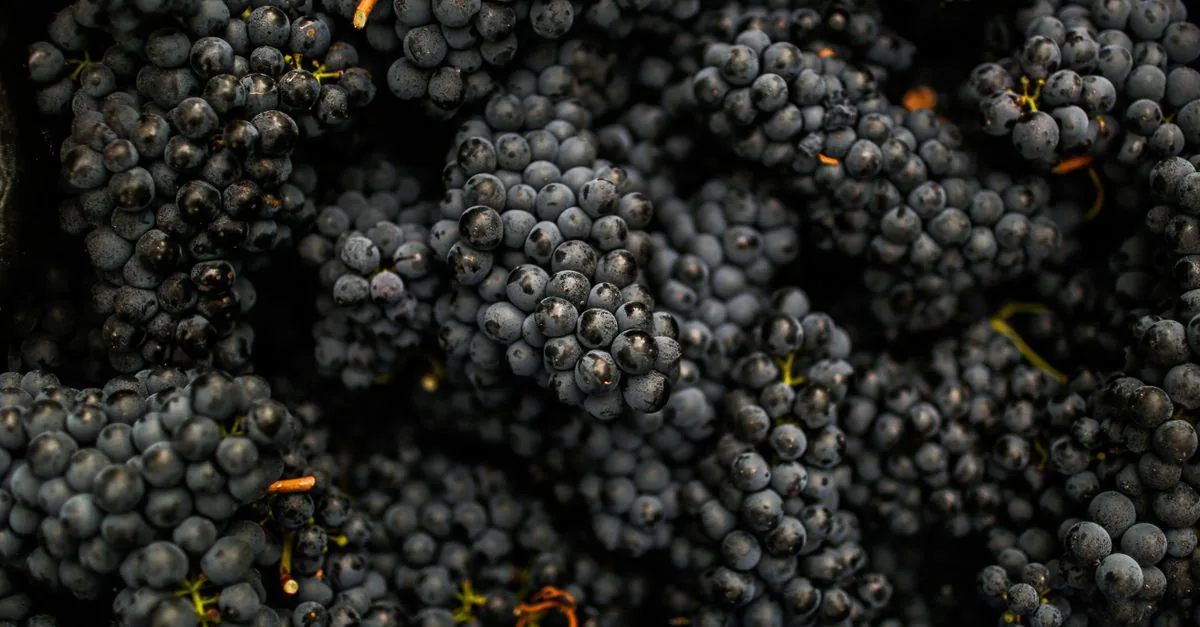
| Grapes and raisins | NO | Acute kidney failure - even a single grape |
| Chocolate | NO | Theobromine - arrhythmia, seizures, death |
| Onions and garlic | NO | Haemolytic anaemia - in all forms |
| Xylitol (sweetener) | NO | Hypoglycaemia + liver failure |
| Macadamia nuts | NO | Neurological symptoms within 12 h |
| Alcohol | NO | Dogs are far more sensitive than humans |
| Raw yeast dough | NO | Bloat + gastric torsion + alcohol poisoning |
| Caffeine (coffee, tea, energy drinks) | NO | Toxic in small doses |
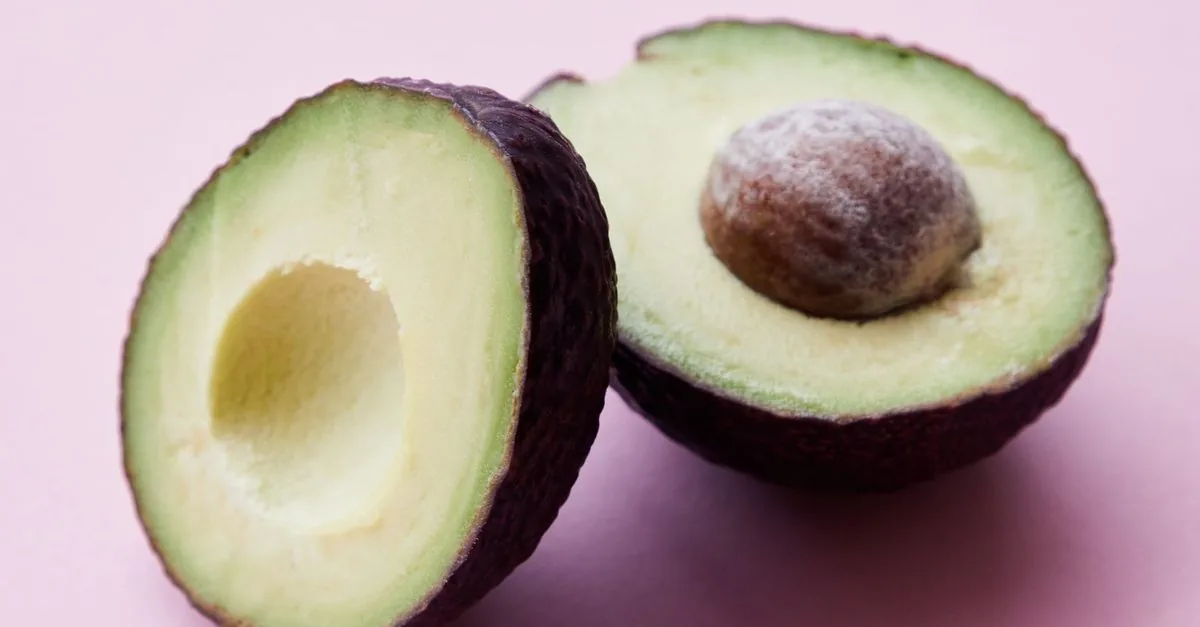
| Avocado | Caution | Avoid - skin and pit especially dangerous |
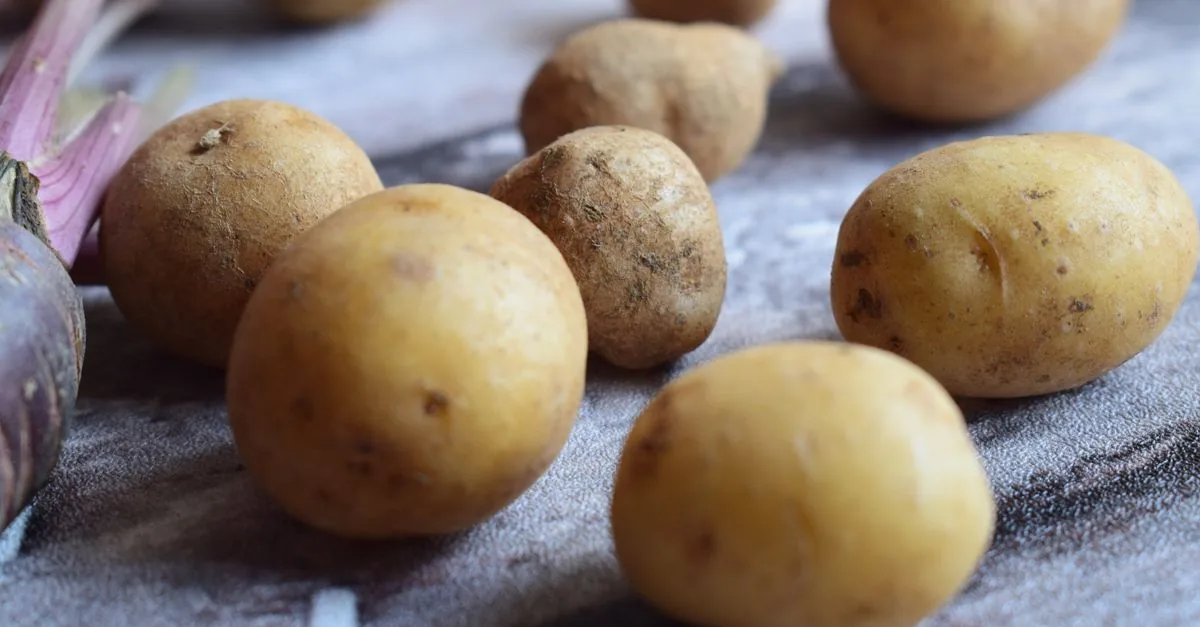
| Raw potatoes | Caution | Contain solanine - cook before serving |
| Milk | Caution | Many dogs are lactose intolerant |
What dogs can eat - safe options
Fruits and vegetables
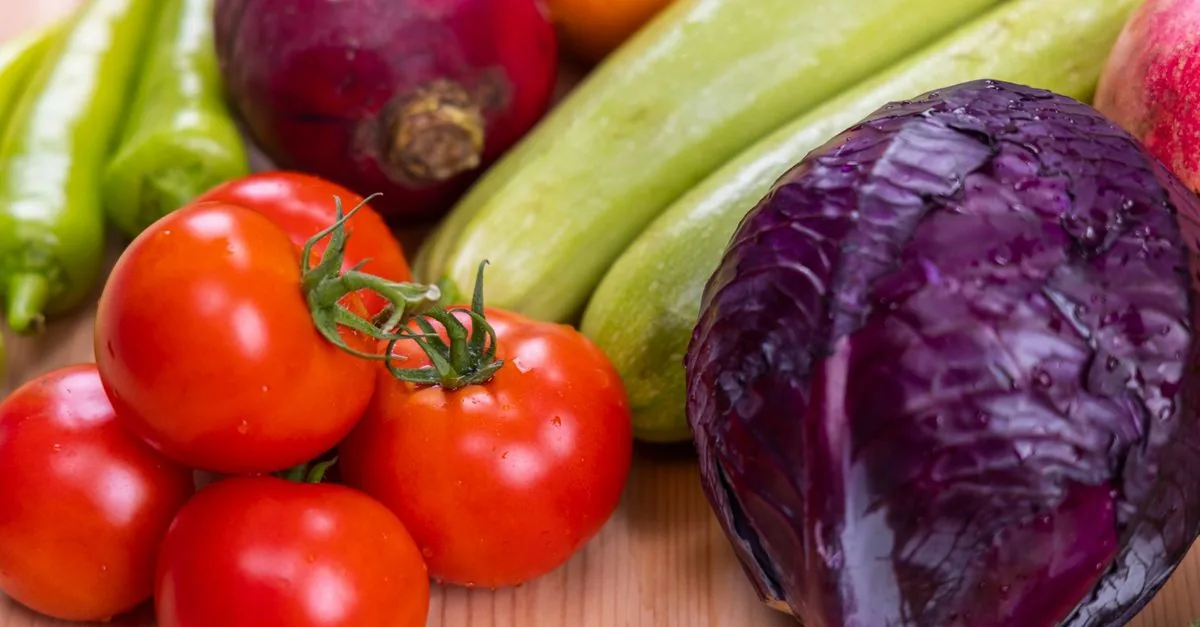
Carrots are one of the best dog snacks around - low calorie, rich in beta-carotene, and named outright on VCA's safe list. Serve raw or cooked, cut into pieces sized for your dog.
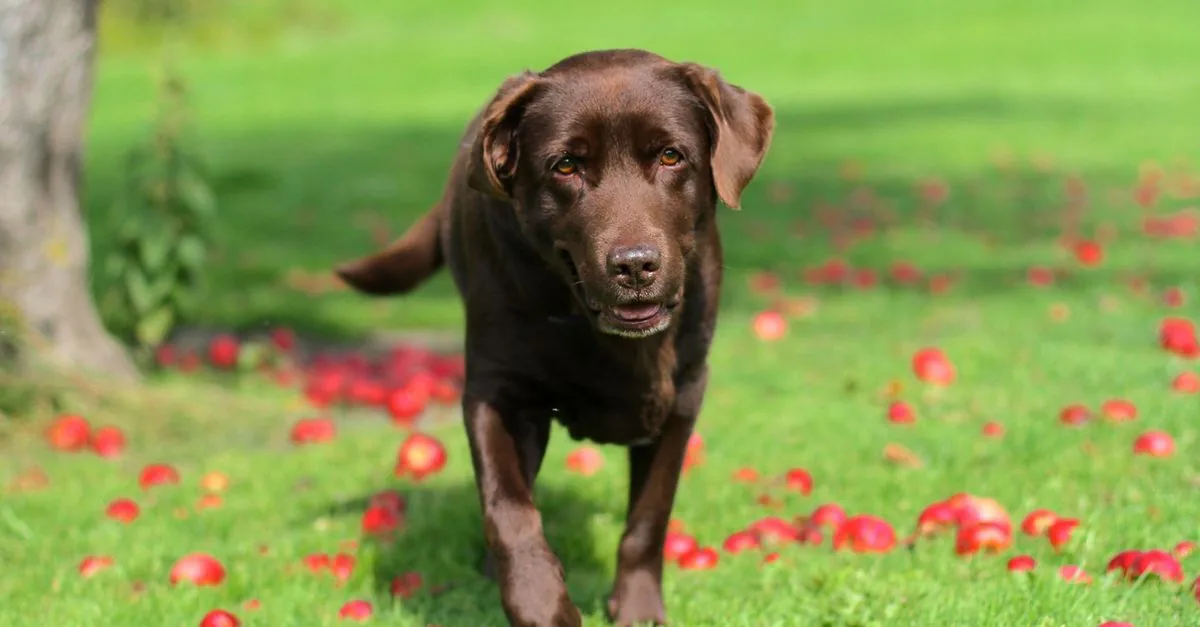
Apples (without seeds and core) provide vitamins A and C plus fibre. The seeds contain amygdalin, which breaks down into cyanide - always remove them. Toss the core and seeds in the bin, not the bowl.
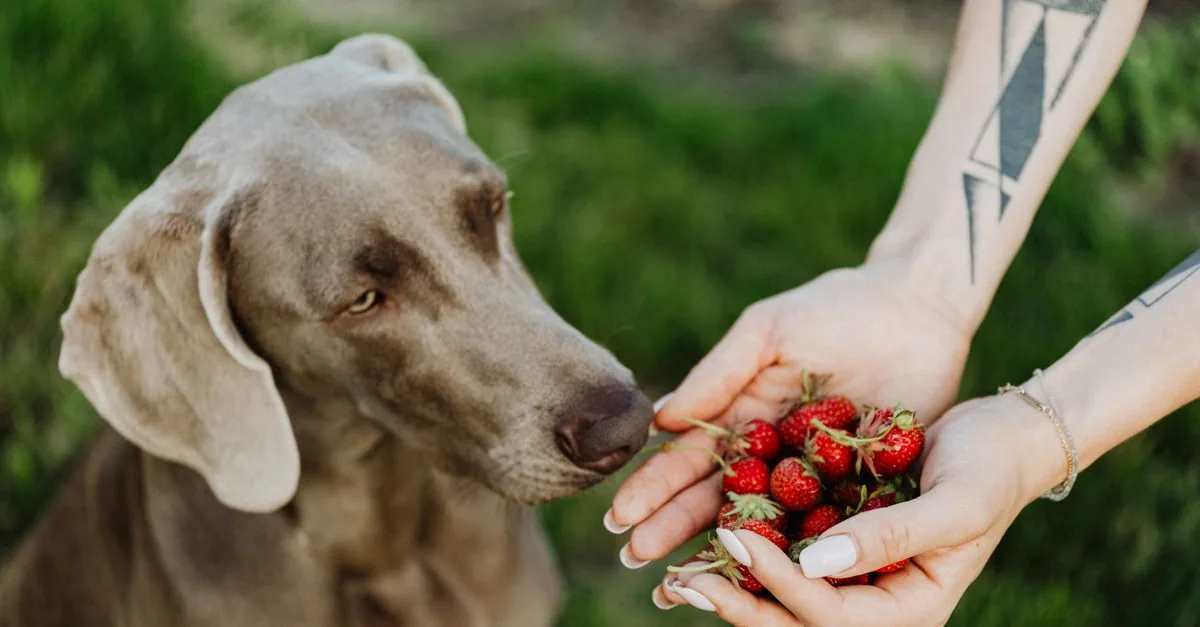
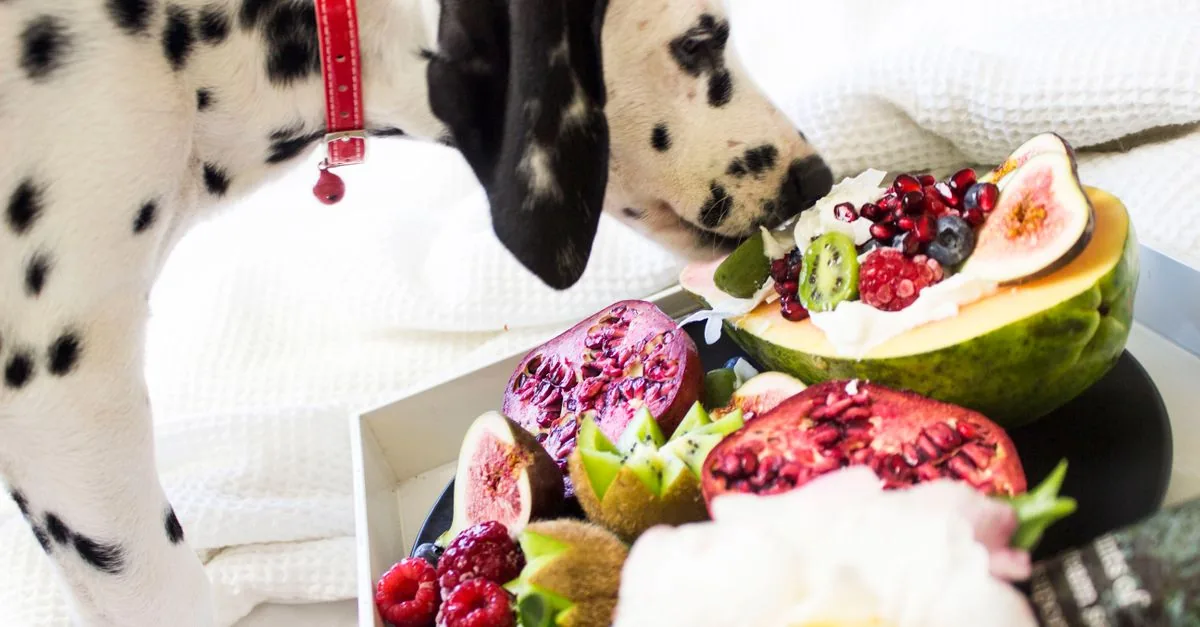
Strawberries, blueberries and banana in small amounts are safe and provide vitamins and antioxidants. Bear in mind they all contain significant natural sugar, so don't make them a daily staple in large portions. More detail in the article on can dogs eat strawberries.
Protein and carbohydrates
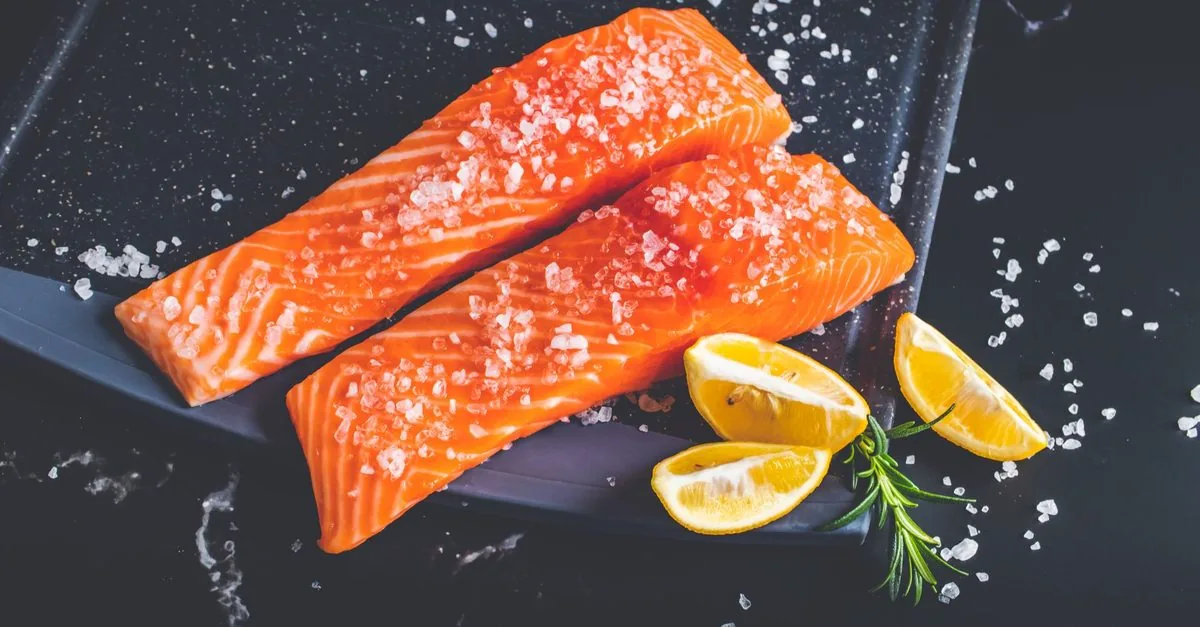
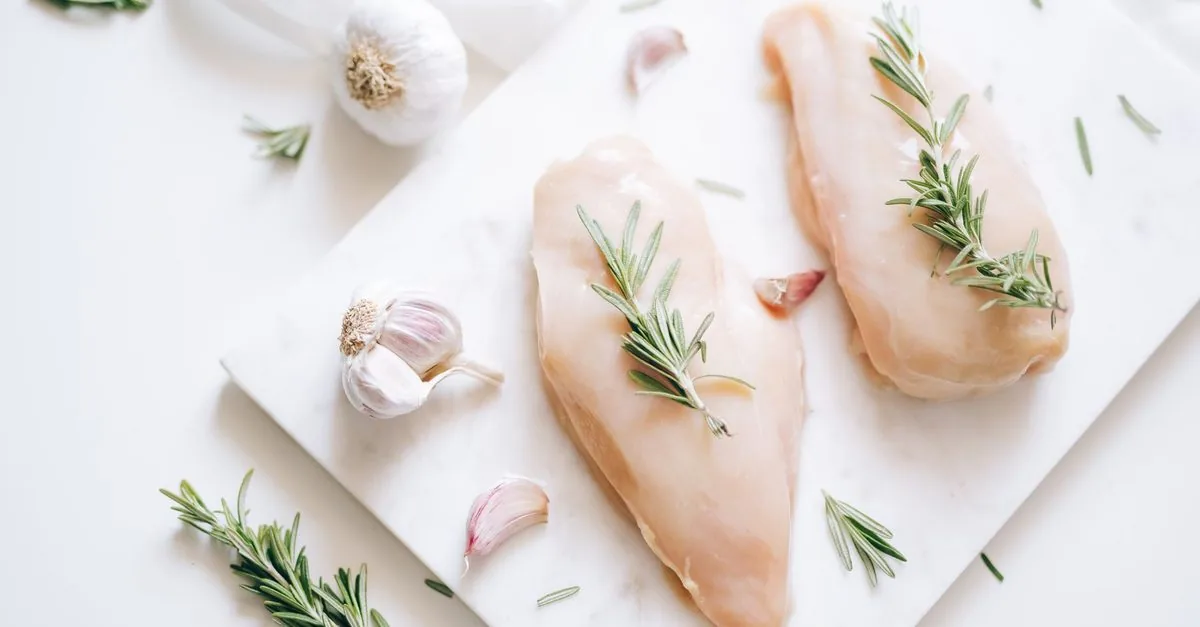
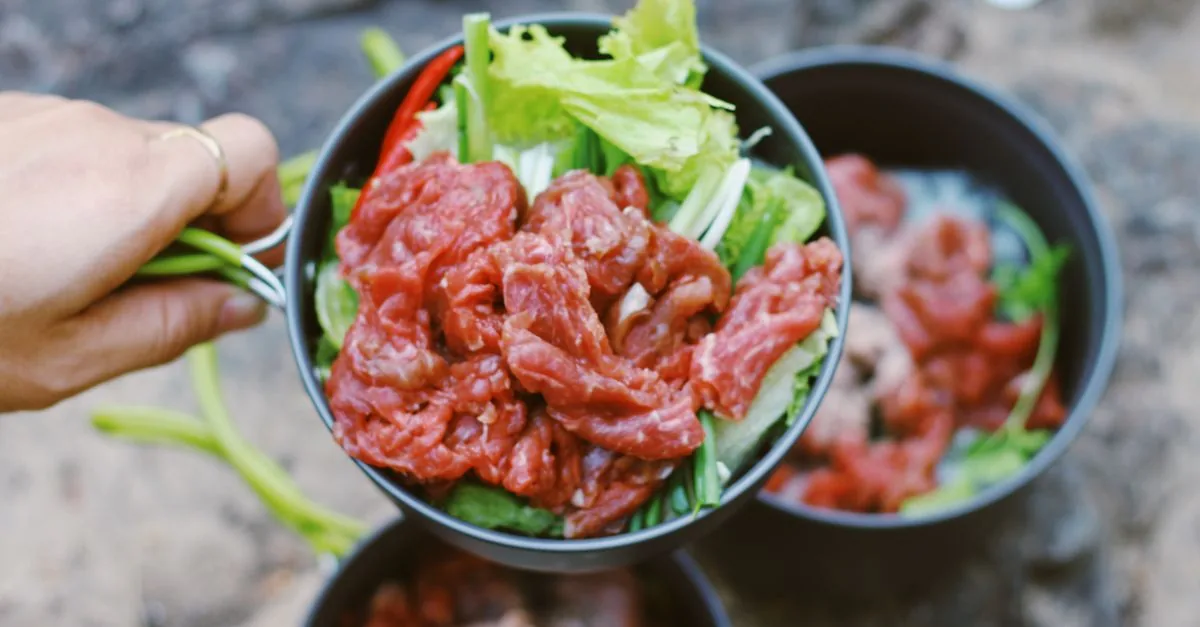
Cooked chicken, turkey or beef - plain, with no seasoning, salt or garlic - is a great, digestible protein addition. Plain cooked white rice helps settle an upset stomach during digestive upsets.
What dogs absolutely cannot eat - toxic foods
A full list of toxic foods with mechanisms, symptoms and first aid is in the article foods toxic to dogs. Here are the key headlines:
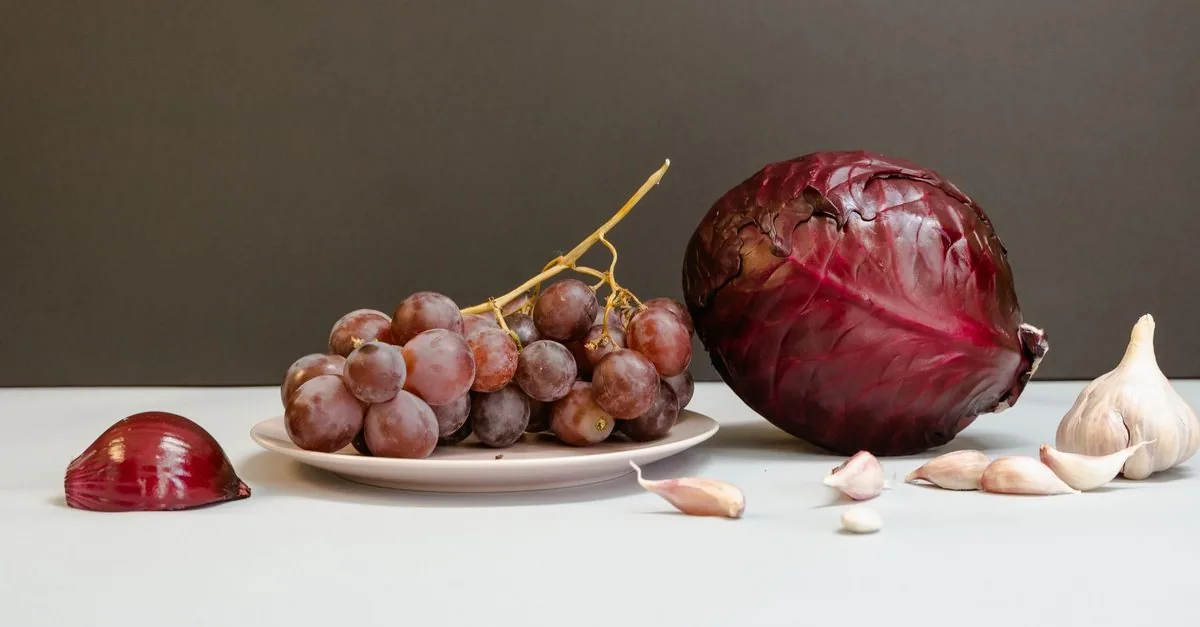
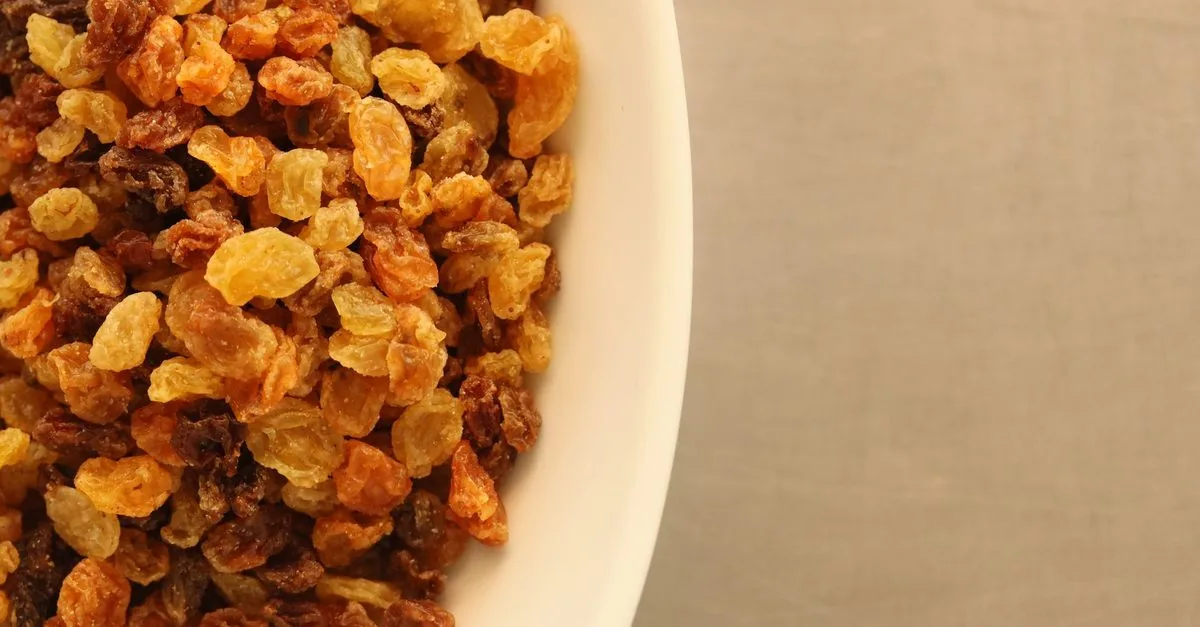
Grapes and raisins - even a single grape can trigger acute kidney failure in some dogs. The mechanism - tartaric acid - is confirmed by research, but the toxic dose is unpredictable. Full detail in can dogs eat grapes.
Chocolate contains theobromine - a compound dogs metabolise far more slowly than humans. The darker the chocolate, the greater the danger: cocoa powder and baking chocolate are far more hazardous than milk chocolate.
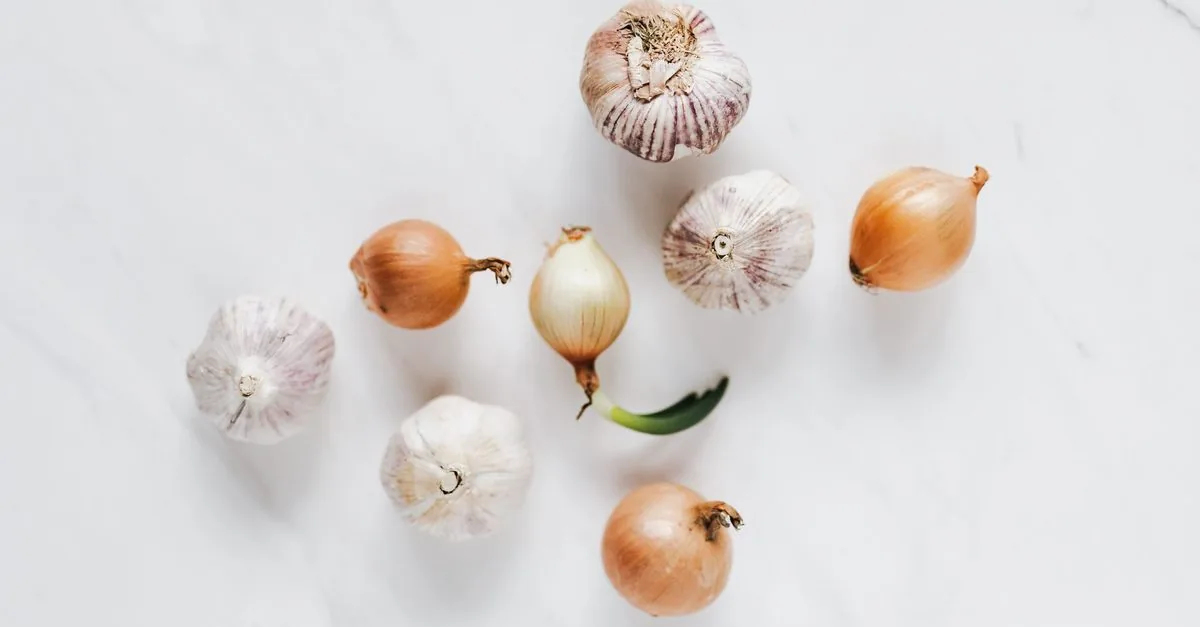
Onions and garlic in all forms (raw, cooked, dried, powdered) cause red blood cell destruction - haemolytic anaemia. Symptoms appear with a 2-5 day delay, which means owners rarely connect cause and effect.
Xylitol is a sweetener found in chewing gum, sweets, toothpaste, medications and diet baked goods. In dogs it triggers a rapid insulin surge leading to dangerous hypoglycaemia, and at higher doses - acute liver failure.
Rules for safe supplemental feeding
A few rules that will protect your dog from a dangerous situation:
- Check the ingredients list - xylitol, garlic powder and onion extract turn up in surprising places: deli meats, ready-made sauces, diet breads.
- Small amounts as a test - when giving your dog a new food for the first time, start with a minimal portion and watch for a few hours.
- Don't rely on no immediate symptoms - with grapes and xylitol, symptoms can appear with a delay, by which time organ damage may already be serious.
- Keep your vet's number handy - save the number of a 24-hour clinic in your phone before you need it.
What if your dog ate something toxic?
Don't wait for symptoms - act immediately. Call your vet and tell them: what the dog ate, how much, when, and how much the dog weighs. Have the packaging or ingredient list ready. Do not induce vomiting without your vet's guidance - for some substances this can accelerate toxin absorption.
Diet is one piece of the puzzle - exercise is another. On DOGOUT you'll find a community of dog owners, a map of dog-friendly places and group walks, so your dog gets everything they need every single day.
Sources
Frequently asked questions
- Can dogs eat fruit?
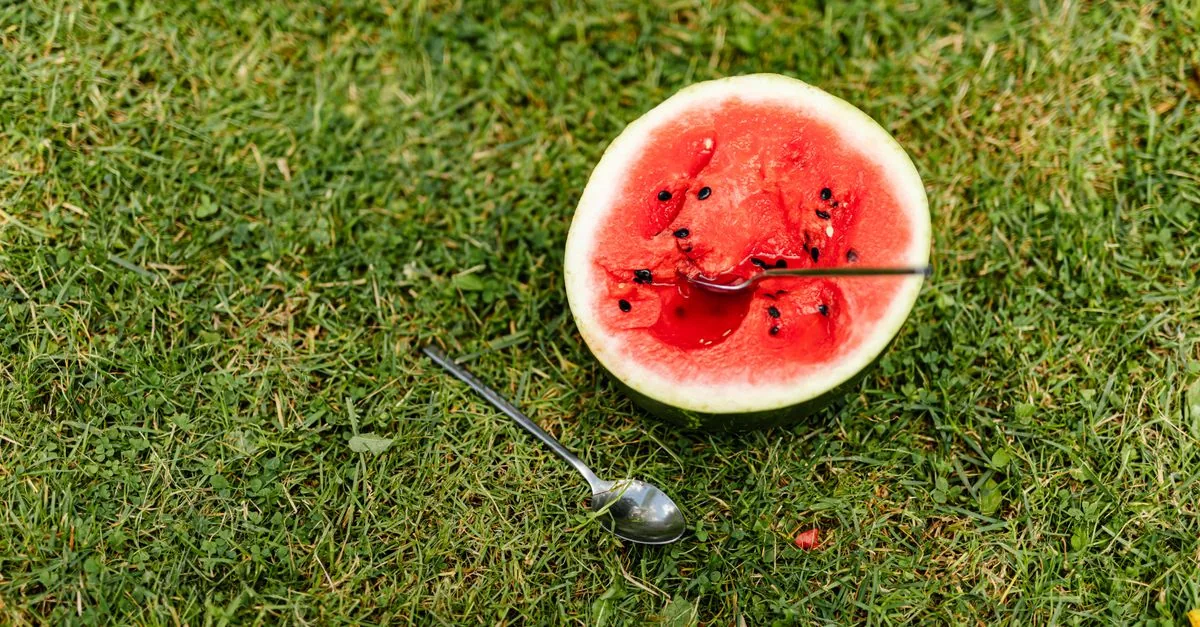
- Yes, many fruits are safe in moderate amounts - apples (without seeds or core), strawberries, blueberries, bananas, watermelon (without seeds or rind). Never feed grapes or raisins - even small amounts can cause acute kidney failure.
- Can dogs eat vegetables?
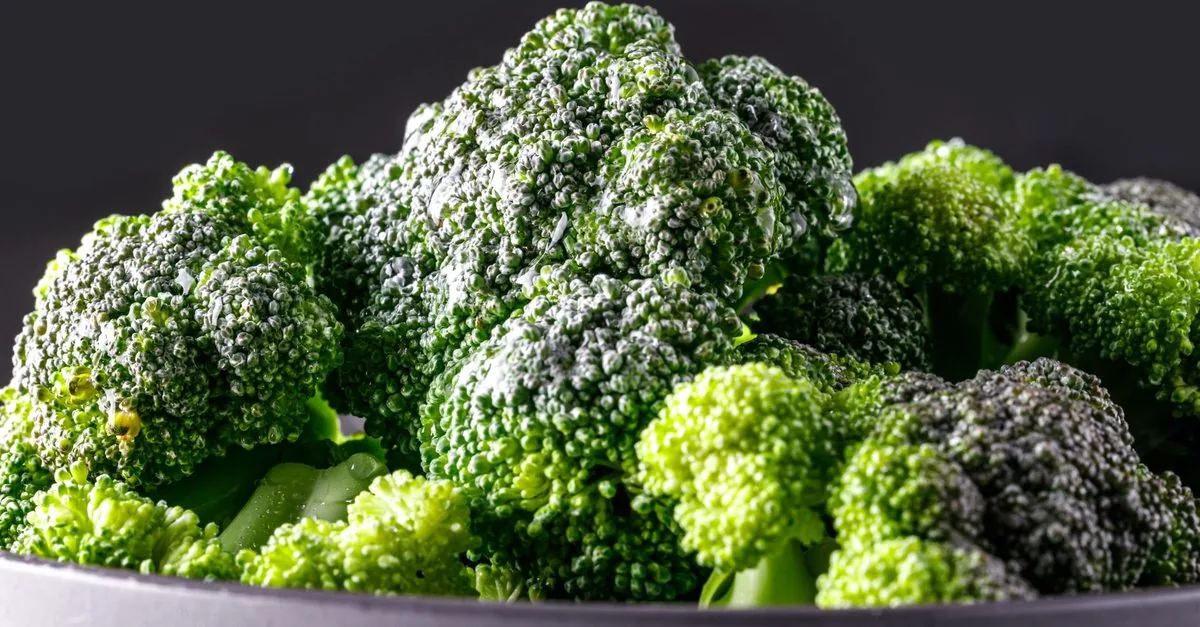
- Yes - carrots, cooked potatoes, broccoli in small amounts, courgette and pumpkin are all safe. Never feed onions, garlic, leeks or chives in any form (raw, cooked, dried, powdered) - all are toxic to dogs.
- My dog ate chocolate - what should I do?
- Call your vet or an emergency clinic immediately - do not wait for symptoms. The toxic dose depends on the dog's weight and the type of chocolate: dark and baking chocolate are far more dangerous than milk chocolate. Your vet will decide whether to induce vomiting.
- Is xylitol really that dangerous?
- Yes - it is one of the most dangerous sweeteners for dogs. A single piece of xylitol-sweetened chewing gum can cause a dangerous blood sugar crash in a 9 kg dog. Always check the ingredients of gum, sweets, toothpaste, over-the-counter medicines and diet baked goods.
- Is avocado toxic to dogs?
- The flesh of avocado is much less dangerous to dogs than to birds or horses, but the ASPCA recommends avoiding it. The skin, leaves and pit contain higher levels of persin and can cause vomiting and diarrhoea. The pit is also a serious choking and intestinal obstruction hazard.
- What should I do if I suspect my dog has been poisoned?
- Call your vet or emergency clinic immediately. Describe what the dog ate, how much, and when. Do not induce vomiting on your own - for some substances this can make things worse. Collect the packaging or a sample of the suspected product.