

Can Dogs Eat Avocado? Safer to Leave It Out
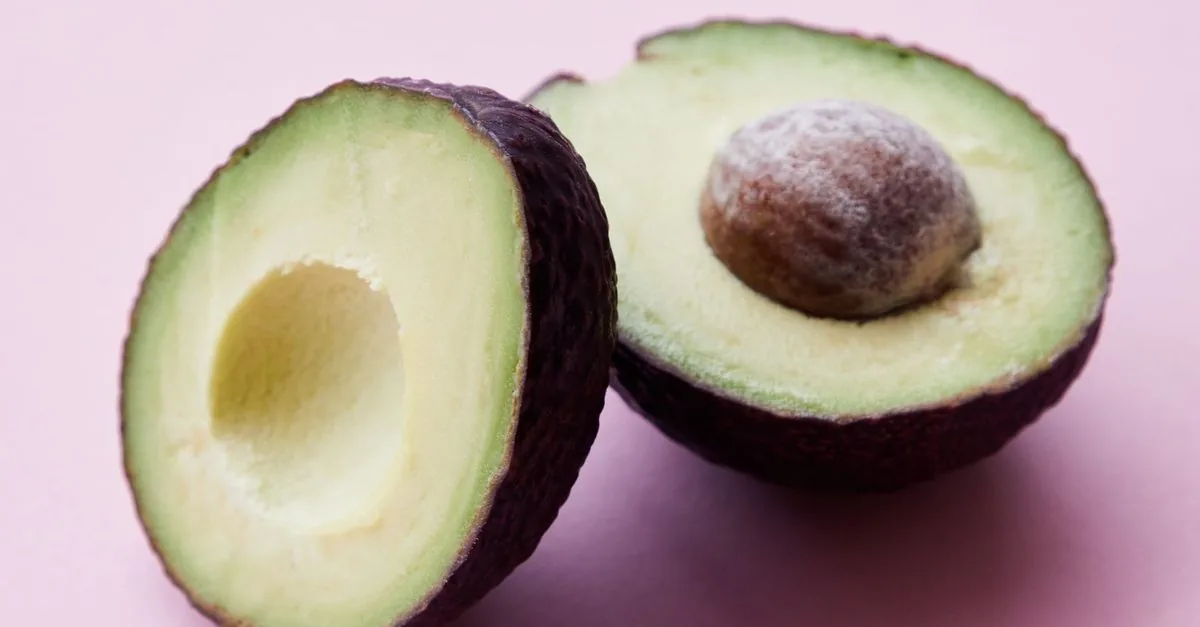
Best not to. A small piece of ripe avocado flesh usually will not poison a dog, but the skin, pit, and leaves contain persin, the pit is a choking and intestinal-blockage risk, and the high fat content can cause stomach upset or pancreatitis. It is a fruit that is easiest to simply skip. If your dog swallows the pit or a large portion, call your vet.
Half the kitchens out there have an avocado sitting on the counter, so the question turns up on its own: can you toss your dog a bite? You can, but it is not worth it. This is not a classic poison like chocolate or grapes - if your dog steals a little flesh, nothing dramatic is likely to happen. The problem is that avocado carries a few real risks and offers nothing a safer fruit could not. The simplest call is to skip it.
Is avocado toxic to dogs?
Avocado contains persin - a natural antifungal compound that builds up mostly in the skin, pit, leaves, and bark. Persin is what earned avocado its forbidden-fruit reputation. But that reputation comes largely from other species: for birds, horses, rabbits, and livestock, persin can be outright lethal.
Dogs are a different story. They are far more resistant to persin. The ASPCA and the Merck Veterinary Manual agree that in dogs, persin exposure from avocado tends to mean a stomach upset - vomiting and diarrhoea - rather than serious poisoning. The flesh of a ripe fruit also holds the least persin of the whole avocado.
The takeaway is calm, not alarmist: a single piece of flesh usually will not poison a healthy dog. That still does not make avocado a good idea.
Where the real problem lies
Persin is only part of the picture. The other two risks are more tangible, and they are what settle the matter.
The pit - choking and intestinal blockage
An avocado pit is large, hard, and smooth. For a dog that swallows first and thinks later, it is a ready-made plug. A swallowed pit can block the throat or get stuck in the intestines. An intestinal blockage is a life-threatening condition that often ends in surgery. This is by far the most serious avocado-related risk, and the reason pits should never sit where a dog can grab them.
The fat - upset stomach and pancreatitis
Avocado is very high in fat. Even setting persin and the pit aside, the fat load alone can trigger vomiting and diarrhoea, and in sensitive or overweight dogs, pancreatitis. That is a painful and serious condition. Fatty treats are a common trigger for pancreas trouble, and avocado is one of the fattiest fruits a dog could get.
Persin: dog versus bird
To make sense of why the same fruit gets described as lethal in one place and fairly harmless in another:
| Species | Persin sensitivity | Main risk |
|---|---|---|
| Birds | Very high, often fatal | Heart damage, breathing failure |
| Horses, cattle, goats | High | Swelling, heart and udder damage |
| Rabbits | High | Serious poisoning |
| Dogs | Low, relatively resistant | Stomach upset; mainly the pit and fat |
This table explains the whole mix-up. The warnings about "deadly" avocado are aimed mostly at birds and livestock. For a dog the scale is different - which is not the same as zero.
What to do if your dog ate avocado
No panic, just a clear head:
- Work out exactly what your dog ate - plain flesh, skin, or the whole pit.
- A small piece of flesh: watching is usually enough. Vomiting or diarrhoea may show up and typically passes.
- The pit, skin, or a large portion: call your vet. The main concerns are obstruction and pancreatitis.
- Worrying signs - repeated vomiting, belly pain, lethargy, no appetite - mean a vet call regardless of the amount.
When in doubt, phone. Avocado is rarely a chocolate-level emergency, but a swallowed pit can be a genuine problem.
Safer alternatives
If the goal is a healthy snack, avocado has no edge that a simpler fruit without persin, a hard pit, and that much fat could not match. Reach for the proven options in our guide to what dogs can and cannot eat. It is also worth knowing the foods a dog should never get - we rounded them up in the piece on foods toxic to dogs. And if you want a fruit with a hard stop, see the article on grapes, which are far more dangerous to dogs than avocado.
Keep the avocado for your own toast and give your dog what really lights them up - movement. Open DOGOUT, see where dogs nearby are heading out today, and join a walk before the route gets dull.
Sources
Frequently asked questions
- Is avocado toxic to dogs?
- Avocado contains persin, which is highly toxic to birds and livestock, but dogs are far more resistant to it. The bigger real risks for a dog are the pit (choking and obstruction) and the high fat content, not persin poisoning itself.
- What should I do if my dog ate avocado?
- A small piece of flesh usually means a mild stomach upset at most, and watching your dog is enough. If your dog swallowed the pit, the skin, or a large amount of flesh, contact your vet - the main concerns are obstruction and pancreatitis.
- Can a dog eat plain avocado flesh?
- The flesh has the least persin of the whole fruit, and a small piece is unlikely to harm a healthy dog. Even so, we do not recommend feeding avocado regularly because of the fat and calories - a safer snack is the better choice.
- Why is the avocado pit dangerous?
- The pit is large, hard, and smooth, so it easily lodges in the throat or intestines. An intestinal blockage is a life-threatening condition that often needs surgery. Keep pits well out of your dog's reach.
- Is guacamole safe for dogs?
- No. Guacamole usually contains onion and garlic, which are toxic to dogs, plus salt and lime juice. Avocado aside, keep guacamole away from your dog.