Can Dogs Eat Grapes? NO - They Can Cause Acute Kidney Failure
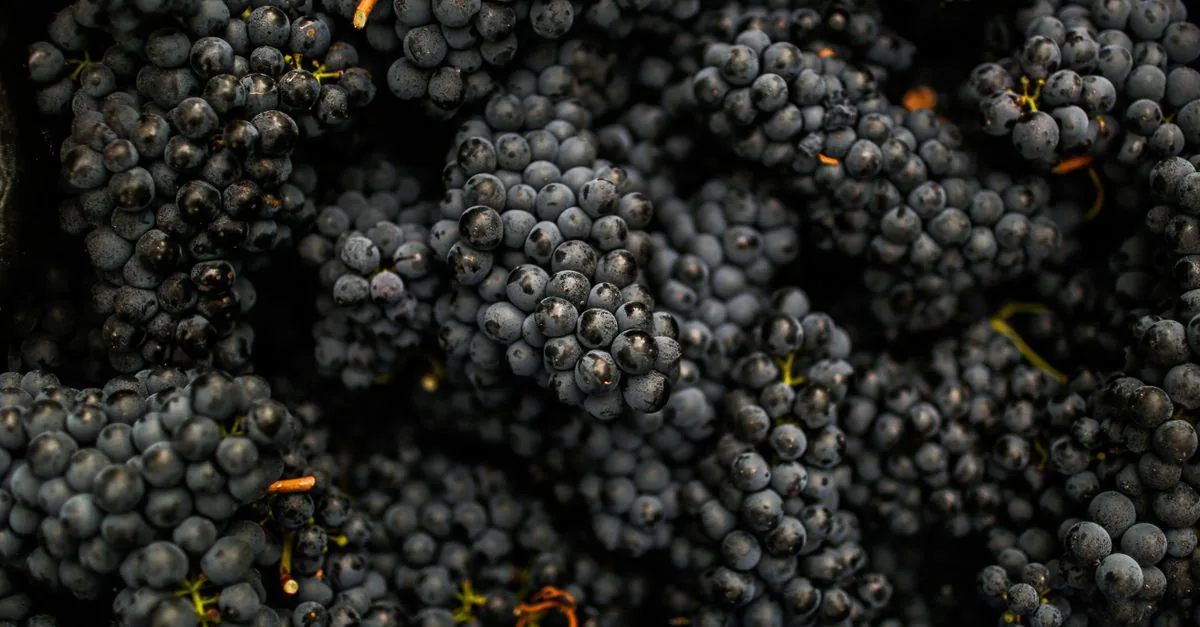
NO. Grapes and raisins are highly toxic to dogs and can cause acute kidney failure - even after eating just a few pieces of fruit. The Merck Veterinary Manual states that more than one grape or raisin per 4.5 kg of body weight may contain enough tartaric acid to pose a risk to the kidneys. Tartaric acid content varies from fruit to fruit, so the effects are unpredictable. If your dog has eaten grapes or raisins, call your vet immediately - do not wait for symptoms.
Grapes are one of those foods where there is no room for compromise, exceptions or dose-adjustment. The answer is simple and final: dogs cannot eat grapes or raisins. Never, in any form, in any amount.
Why are grapes toxic to dogs?
For many years the mechanism of grape toxicity remained unknown - which was itself alarming. In 2022, researchers published findings in the Journal of Veterinary Emergency and Critical Care (JVECC) identifying tartaric acid as the likely cause. The Merck Veterinary Manual explains why this hits dogs in particular: they lack the organic acid transporters other species have, so tartaric acid is poorly excreted and accumulates in the cells of the kidney tubules.
Then comes the second thing that makes these fruits so treacherous: the tartaric acid content of grapes and raisins varies, so the effects of eating them vary too. Merck gives the one concrete figure that can be given today: more than one grape or raisin per 4.5 kg of body weight may contain enough tartaric acid to put the kidneys at risk. For a 10 kg dog that means a few pieces of fruit - not a bunch.
Raisins: the same threshold in a much smaller package
Merck applies the same threshold to both forms: more than one piece per 4.5 kg of body weight. A raisin is far smaller than a fresh grape, though, so a small handful is many more pieces than it looks - and crosses that threshold many times over.
The particular trap: raisins are everywhere. Check the ingredients. Pet Poison Helpline lists as equally dangerous raisin bread, trail mix, granola bars, oatmeal raisin cookies, fruit cake and holiday baked goods. A raisin in a bake is still a raisin.
Symptoms of grape poisoning - what to look for
The most serious complication is acute kidney failure, which is why every hour counts.
Symptoms typically appear within 6-24 hours of ingestion, but kidney damage can progress without any obvious external signs.
Early phase (6-24 h):
- Vomiting and diarrhoea (often containing undigested grapes or raisins)
- Lethargy, weakness
- Loss of appetite
- Excessive drooling
Late phase (24-72 h) - signs of kidney damage:
- Pain when the abdomen is pressed
- Increased thirst and urination (initially)
- Then - decreased or complete cessation of urination (this signals acute kidney failure)
- Uraemic (ammonia-like) breath
- Weakness, tremors, incoordination
- In severe cases - coma and death
What to do immediately - step by step
If your dog ate grapes or raisins within the past few hours:
- Call your vet immediately - do not search the internet, do not wait for symptoms. Every minute matters.
- Tell them: how many grapes the dog ate (or an estimate), when it happened, how much the dog weighs, whether any symptoms have appeared yet.
- Do not induce vomiting on your own without clear instructions from a vet. In some circumstances this can increase toxin absorption.
- Go to the clinic - the vet will decide about inducing vomiting, administering activated charcoal and starting fluid therapy.
Even if your dog looks completely normal - go to the vet. Kidney damage can progress for 48 hours without any outward signs.
Treatment: timing is critical
The treatment protocol for grape poisoning includes:
- Inducing vomiting (if the vet decides the timing and the dog's condition allow it)
- Administering activated charcoal to bind remaining toxin in the gastrointestinal tract
- Intensive IV fluid therapy for at least 48-72 hours - this is the key element of treatment; it supports the kidneys and flushes the toxin
- Regular blood and urine tests to monitor kidney function
- Kidney-support medications if damage has occurred
Dogs treated quickly - within the first hour of ingestion - have significantly better outcomes than those whose treatment is delayed. That is why you should not wait for the first vomit to "make sure something is happening."
Which varieties of grape are toxic?
All of them. Pet Poison Helpline puts it plainly: the risk is the same in every form - red or green, seeded or seedless, organic or conventional, fresh or dried. Colour, taste and country of origin are irrelevant here. The same goes for raisins, sultanas and Zante currants, and for trail mixes where raisins sit alongside other dried fruit.
One distinction is worth knowing, because it confuses people: the Cornell Riney Canine Health Center notes that grape juice, jelly, grape seed oil and wine have not been associated with toxicosis, most likely because processing removes or reduces tartaric acid. That is not an invitation to hand your dog anything grape-based. The hazard is whole fruit, fresh and dried alike, including the kind hidden in baked goods.
Safe fruit alternatives
The full list is in our roundup of fruits dogs can eat, and the banned items are collected in foods toxic to dogs.
If you want to give your dog a fruity treat, there are safe options:
- Apples (without seeds and core) - vitamins A and C, fibre. See: can dogs eat apples
- Strawberries - vitamin C, antioxidants, in moderate amounts
- Blueberries - antioxidant superfood for dogs
- Watermelon - without seeds and without the rind
Grapes have no "safe" substitute - simply cut them out entirely.
A dog that lives actively and eats well lives long. On DOGOUT you will find walking routes, places where dogs are genuinely welcome, and a community that cares for their dogs as seriously as you do. Safety is the foundation - everything else is shared adventures.
Sources
- Grape, Raisin, and Tamarind Toxicosis in Dogs - Merck Veterinary Manual
- Toxic Component in Grapes and Raisins Identified - ASPCApro
- People Foods to Avoid Feeding Your Pets - ASPCA Animal Poison Control
- Can You Feed Pets Certain Fruits and Veggies? - VCA Animal Hospitals
- Can Dogs Eat Raisins? Emergency Guide - Pet Poison Helpline
- Grape and Raisin Toxicity - Cornell University Riney Canine Health Center
Frequently asked questions
- How many grapes can a dog eat safely?
- There is no amount that can be called safe. The Merck Veterinary Manual states that more than one grape or raisin per 4.5 kg of body weight may already contain enough tartaric acid to put the kidneys at risk. Tartaric acid content varies between fruits, so the same portion can affect two dogs differently. Treat every grape as a risk.
- Are raisins as dangerous as fresh grapes?
- Merck applies the same threshold to both: more than one piece per 4.5 kg of body weight. A raisin is far smaller than a grape, though, so a handful holds many more pieces than it looks - and crosses that threshold many times over. Pet Poison Helpline adds that the risk is the same in every form: fresh or dried, seeded or seedless.
- My dog ate grapes an hour ago and looks completely normal - do I really need to go to the vet?
- Yes - immediately. No symptoms in the first few hours does not mean the dog is safe. Kidney damage can progress for 24-72 hours without any obvious external signs. Decontamination (vomiting induced by the vet) is most effective within the first hour. Do not wait.
- My dog ate a biscuit with raisins in it - is that dangerous too?
- Yes. Pet Poison Helpline lists products containing raisins as equally dangerous: raisin bread, trail mix, granola bars, oatmeal raisin cookies, fruit cake and holiday baked goods. Always check ingredients before giving your dog any baked goods.
- How is grape poisoning treated in dogs?
- Treatment includes: inducing vomiting (if ingestion was recent and the vet advises it), administering activated charcoal, intensive IV fluid therapy for at least 48-72 hours, and monitoring kidney function via blood and urine tests. The sooner fluid therapy is started, the greater the chance of full recovery.
- Are seedless grapes safe for dogs?
- No. The toxicity of grapes is not related to the seeds. The flesh and skin are toxic regardless of variety - green, red, seedless, organic - all pose the same risk.