Fruits Dogs Can Eat - The Complete Safe and Unsafe List
Dogs can safely eat apples (seeds removed), bananas, watermelon, strawberries, raspberries, blueberries and pears - in small amounts, as an occasional treat, never as a meal replacement. Never give grapes or raisins, including in dried fruit mixes - both can cause acute kidney failure. Citrus fruit, avocado and stone fruit (plums, cherries, peaches) are also risky. If you are unsure about a specific fruit, check with your vet.
What fruits can dogs eat without any risk, and which ones need to stay well out of reach? The short answer: apple, banana, watermelon, strawberries, raspberries and blueberries - yes, in small portions and with seeds removed. Grapes, raisins, avocado and citrus fruit - definitely not. Below is a concrete list, portion guidelines, and answers to the questions that come up most often around the fruit bowl.
Why fruit should be a treat, not a diet staple
Dogs are primarily carnivores, and their digestive system isn't built to process large amounts of simple sugars and plant fibre the way ours is. Fruit can be a genuinely useful, low-calorie snack - it brings vitamins, water and fibre - but it shouldn't make up more than roughly 10% of a dog's daily calories. Too much fruit, even the safe kinds, can trigger diarrhoea or an upset stomach, mostly from the sugar and fibre load a dog's gut isn't used to.
Fruits dogs can eat - the safe list
The table below covers fruits that are safe for dogs in a reasonable amount and when prepared correctly.
| Fruit | How to serve | Notes |
|---|---|---|
| Apple | Chopped, seeds and core removed | Seeds contain cyanogenic compounds |
| Banana | Peeled, small pieces | High in sugar - occasional only |
| Watermelon | Seeds and rind removed | Mostly water, great in summer |
| Strawberries | Washed, hulled | Low-calorie, fine in small daily amounts |
| Raspberries and blueberries | Washed, fresh or frozen | Rich in antioxidants, small portion |
| Pear | Seeds and core removed | Same rules as apple |
| Melon | Seeds and rind removed | Moderate amounts only |
For more on specific fruits and vegetables, see what dogs can and can't eat.
Fruits that are never safe for dogs
There's no room for compromise here - the fruits below need to stay away from your dog, including in cakes, salads or granola.
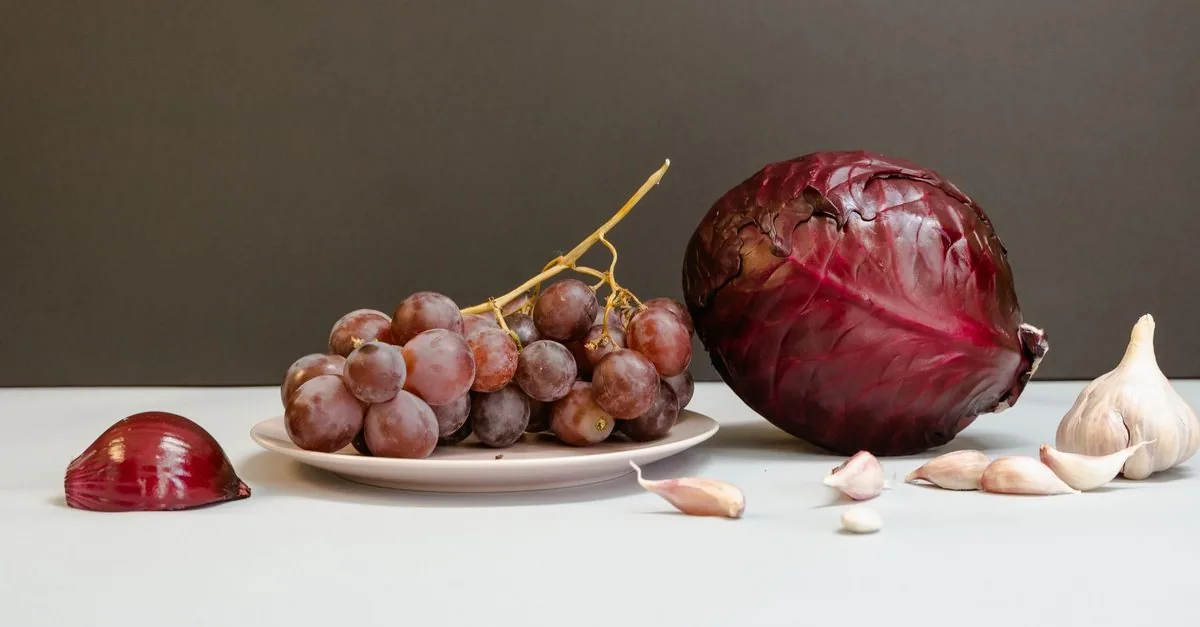
- Grapes and raisins - even a single piece can trigger acute kidney failure. There is no established safe dose. See can dogs eat grapes for details.
- Avocado - contains persin, which can irritate a dog's digestive tract, and the large, hard pit is a serious choking and blockage risk.
- Citrus fruit (lemon, lime, grapefruit) - essential oils and acids can upset the stomach; most dogs avoid the taste anyway.
- Stone fruit - plums, cherries, peaches, apricots. The pits themselves contain cyanogenic compounds, and swallowed whole they can cause an intestinal blockage.
- Unripe or spoiled fruit - fermenting fruit can contain alcohol produced during decay, which is toxic to dogs.
For the full list of foods to avoid - not just fruit - see foods toxic to dogs.
Dried fruit for dogs - when it's fine and when to skip it
Dried fruit is where mistakes happen most easily. Drying removes water but concentrates sugar and calories - even for fruits that are perfectly safe fresh. Unsweetened dried apple or dried banana can be an occasional treat in a very small portion. Definitely avoid:
- raisins (dried grapes) - just as toxic as fresh grapes, arguably more so because they're concentrated,
- dried persimmon (kaki) - similarly sugar-dense, and unripe persimmon can cause an intestinal blockage,
- trail mix or granola - it's easy to miss that raisins are hiding inside.
Always check the ingredient list before giving your dog anything dried - even a small amount of raisins baked into bread or a cereal bar is dangerous.
How to safely introduce a new fruit
Introduce a new fruit one at a time and in a small amount - one small piece, then watch for 24 hours. That makes it easy to see whether your dog tolerates it well before it becomes a regular treat. A few rules worth keeping in mind:
- Always remove seeds, stems and hard cores.
- Cut fruit into small pieces sized appropriately for your dog.
- For small breeds, the portion should be several times smaller than for a large dog.
- Never give fruit in syrup, sugar or as part of a dessert made for people.
- Watch the reaction - loose stool after a new fruit is a signal to cut the portion or skip that fruit altogether.
If your dog has a chronic condition (like diabetes or pancreatitis) or has eaten something from the unsafe list, don't wait for symptoms - contact your vet right away.
Fruit is a fun way to spice up a walk or a lazy afternoon in the garden - but the real adventure for a dog isn't a bowl of apple, it's new ground to sniff and another dog to meet. Check the DOGOUT map, find dogs and people nearby, and set up a walk together - fruit snack in your pocket optional.
Sources
Frequently asked questions
- What fruit can dogs eat every day?
- In small daily portions, you can offer apple with the seeds removed, banana, seedless watermelon without the rind, and blueberries. These are low-calorie treats, but even the safe ones should stay a small addition to the diet, not a replacement for a complete dog food.
- Can dogs eat dried fruit?
- Carefully, and only certain kinds. Unsweetened dried apple or dried banana can be an occasional treat, but dried fruit is far more concentrated in sugar and calories than fresh fruit, so the portion needs to be much smaller. Raisins (dried grapes) are never safe, even hidden in cereal bars, trail mix or baked goods.
- How much fruit can a small dog eat?
- The same rules apply, but portions must be much smaller - a few small pieces of apple or banana for a small breed, not a whole quarter of the fruit. Small dogs feel the effects of excess sugar and fibre faster, so start with a genuinely small amount and watch how they react.
- What happens if a dog eats a grape?
- Even a single grape or raisin can trigger acute kidney failure in some dogs - there is no established safe dose. If your dog has eaten grapes or raisins, contact your vet immediately, even if the dog looks fine so far.
- Can dogs eat citrus fruit like oranges or lemons?
- Small amounts of ripe orange flesh, seeds removed, are generally not toxic, but the peel, pith and essential oils in citrus can upset a dog's stomach. Lemons, limes and grapefruit are best avoided altogether - most dogs dislike the taste anyway.
- Is dried persimmon (kaki) safe for dogs?
- Fresh, ripe persimmon flesh in a small amount and without seeds is usually fine, but the seeds and unripe fruit can cause an intestinal blockage. Dried persimmon is also very concentrated in sugar, so it's best avoided or given only rarely and in a tiny amount.