Can Dogs Eat Melon? Yes - Once You Remove the Rind and Seeds
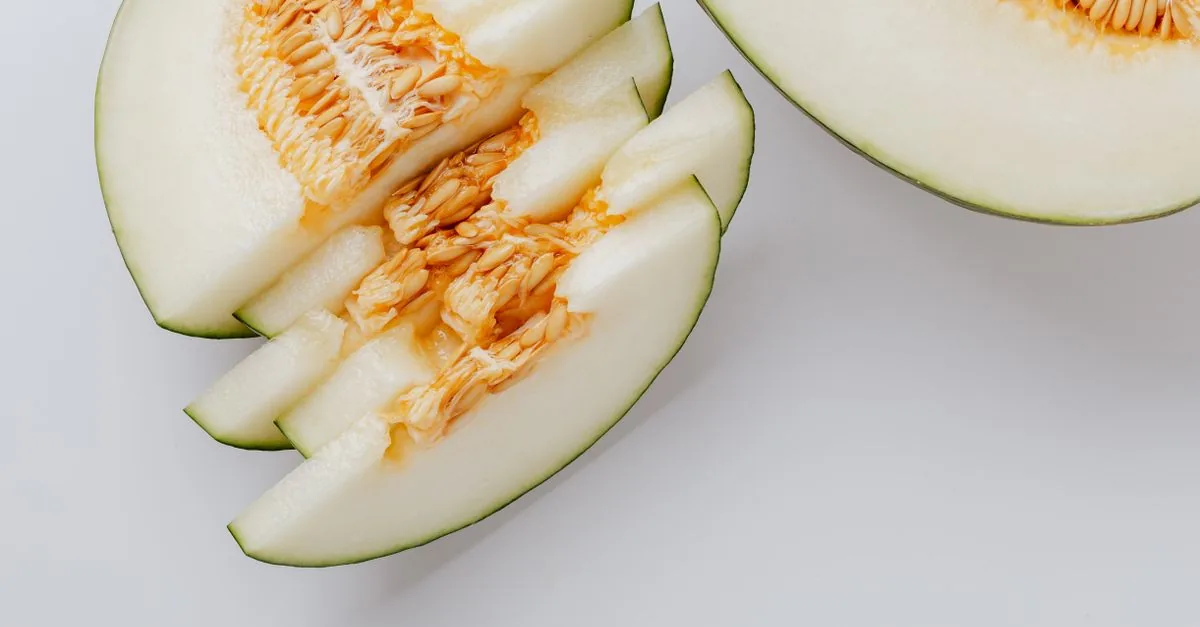
Yes, dogs can eat melon - the flesh is safe, tasty, and highly hydrating. Always remove the tough rind and seeds, which can cause digestive blockages or pose a choking risk. Serve in small pieces as an occasional treat, since melon contains natural sugars.
Hot day, panting dog, melon on the chopping board - a familiar summer scene. Go ahead and share a piece. The flesh of melon is safe for dogs, wonderfully hydrating, and most dogs love it. There are just a few rules to follow before handing any over.
What makes melon good for dogs?
Melon - particularly cantaloupe, the orange-fleshed variety - is nutritionally solid for an occasional treat. The AKC and PetMD both confirm that dogs can eat melon flesh safely. Here is what it brings to the bowl:
- hydration - melon is around 90% water, helping top up fluids especially on warm days
- vitamin A - crucial for eye health, skin, and immune function; cantaloupe is one of the richer fruit sources of beta-carotene
- vitamin C - supports immune function and acts as an antioxidant
- vitamin B6, folate, potassium - support muscle function, the nervous system, and cardiovascular health
- fibre - supports gut health and digestion
- low calorie count - cantaloupe runs about 34 kcal per 100 g; honeydew slightly higher at around 50 kcal per 100 g
Honeydew (the pale green-fleshed variety) is equally safe, though it contains a little more sugar than cantaloupe.
Rind and seeds - the parts to always remove
This is the most important section. Not every part of a melon is dog-friendly.
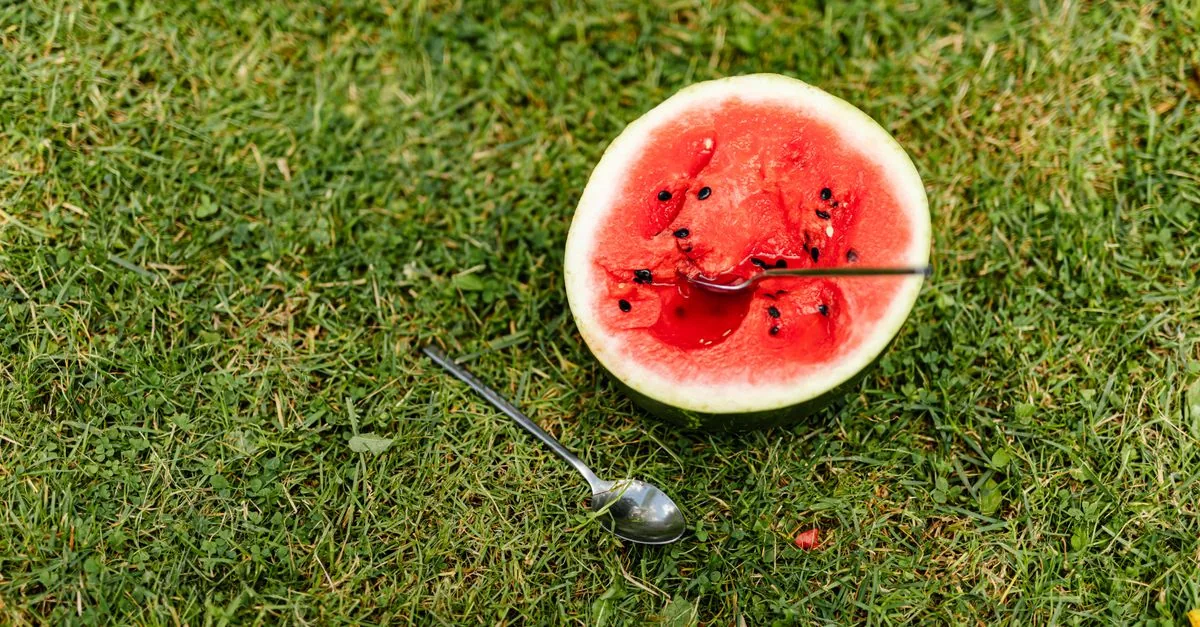
The rind is tough, fibrous, and hard for dogs to digest. It can cause stomach upset and, in worse cases, intestinal blockage - a serious condition that may require emergency veterinary care or surgery. Some rinds may also carry traces of pesticide residue from farming. Always cut away the rind completely before giving your dog any piece.
The seeds are not toxic to dogs, but they are a choking hazard and can be difficult to digest in larger amounts. Remove them before serving.
| Part of the melon | Serve it? | Note |
|---|---|---|
| Flesh (cantaloupe) | Yes | Safe, rich in vitamin A and C |
| Flesh (honeydew) | Yes | Safe, slightly higher sugar content |
| Seeds | No | Choking hazard |
| Rind | No | Hard to digest, risk of intestinal blockage |
How to prepare melon for your dog
Simple steps:
- Wash the whole melon under running water before cutting
- Slice open and scoop out all the seeds
- Cut the flesh away from the rind - do not serve any piece with rind attached
- Cut the flesh into small cubes - size appropriate for your dog
- Serve immediately, or chilled from the fridge
Chilled melon cubes are a fantastic summer treat - most dogs accept them enthusiastically on hot days.
How much melon is the right amount?
Melon is safe, but it does contain natural fruit sugar (fructose). Too much can cause an upset stomach, and regular overfeeding can contribute to weight gain. The 10% rule applies here as it does for all treats - snacks including fruit should not exceed one tenth of your dog's daily calorie needs.
Rough serving sizes by body weight:
- Small dog (under 10 kg): 1-2 cubes roughly 2x2 cm
- Medium dog (10-25 kg): 3-4 cubes
- Large dog (over 25 kg): 5-6 cubes
Frequency: no more than once or twice a week.
Which dogs should avoid melon?
Not every dog is a good candidate for melon as a treat. Be cautious - or skip it entirely - for:
- diabetic dogs - natural sugars can affect blood glucose levels
- overweight or obese dogs - extra sugar does not help with weight management
- dogs with pancreatic conditions - worth checking with your vet before introducing any sugary fruit
- dogs with sensitive stomachs or a tendency to loose stools - introduce any new food gradually and watch for reactions
If you have any doubt about your dog's diet, consult your vet before adding new foods.
Melon alongside other summer fruits
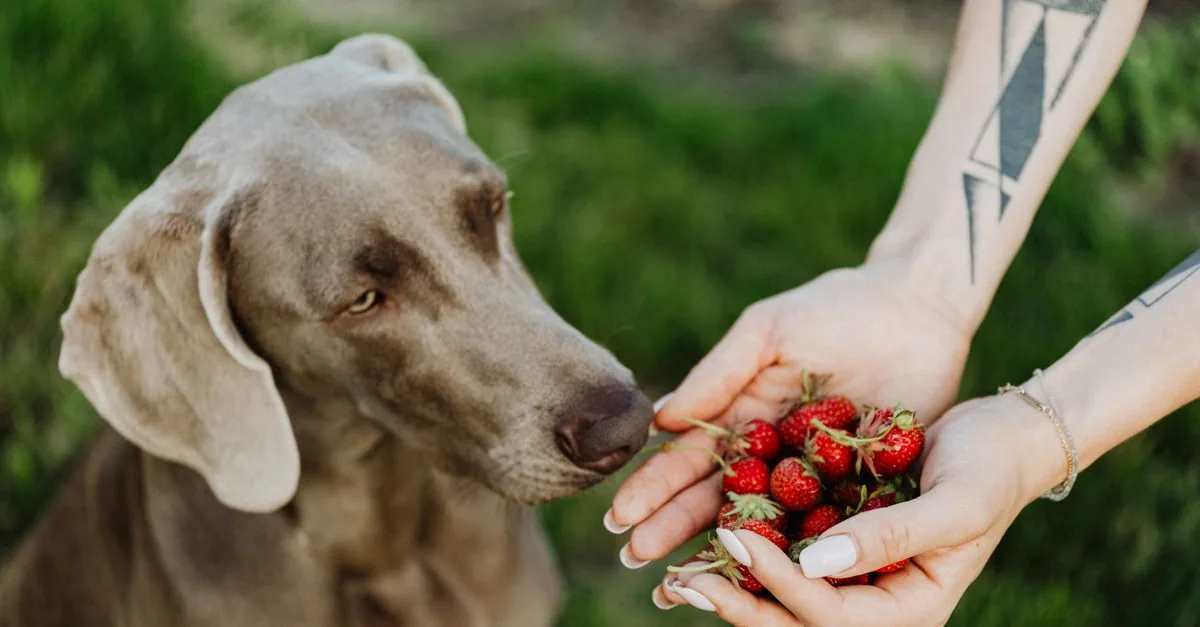
Melon pairs well with other safe summer fruits. Also check out the article on watermelon for dogs - a closely related fruit with very similar preparation rules - and strawberries, which many dogs go wild for. For a full overview of what dogs can and cannot eat safely, see what dogs can and cannot eat.
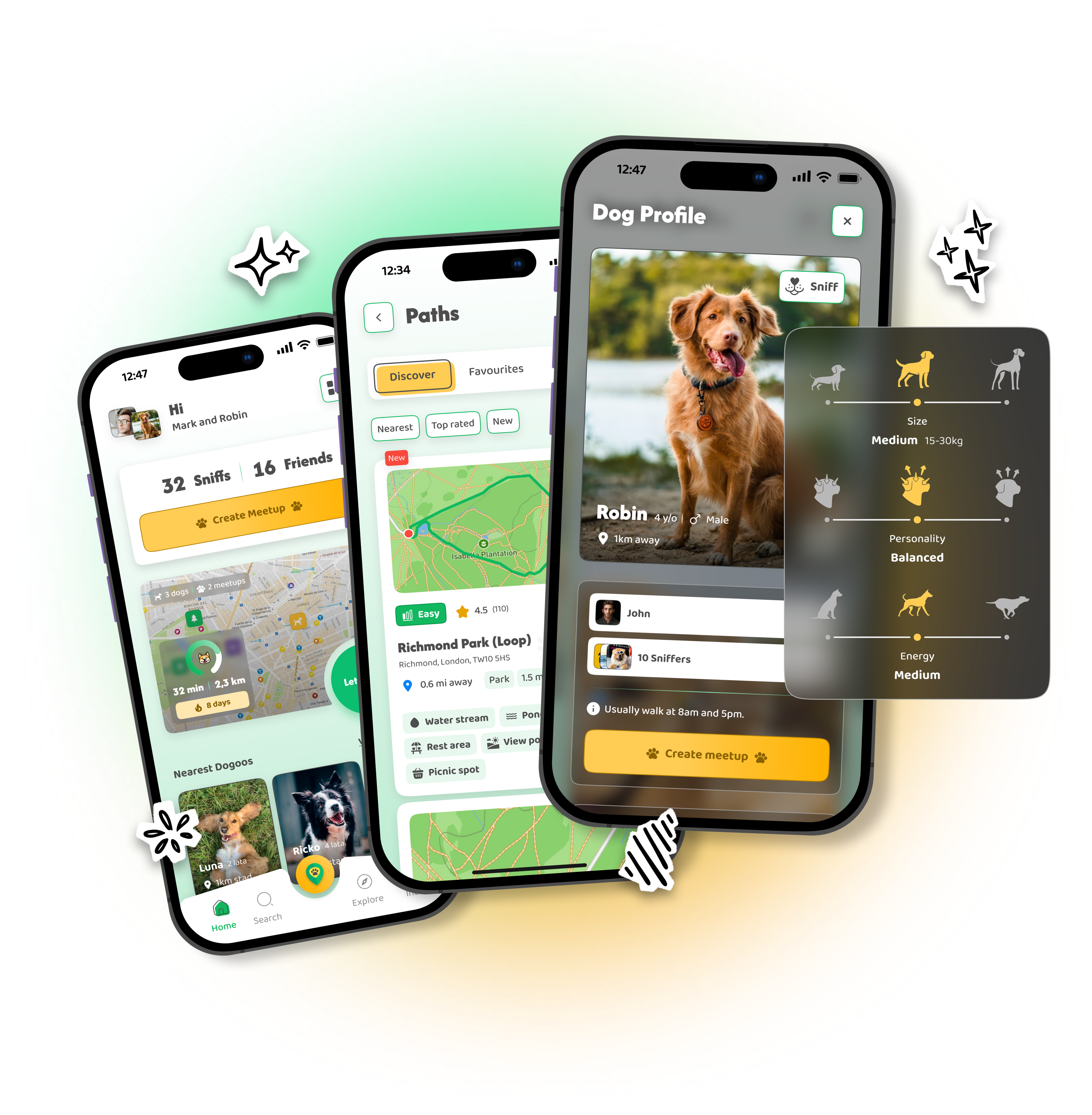
Melon shared, now get outside. Open DOGOUT to find parks, off-leash spots, and walking routes near you - the pack is waiting.
Sources
Frequently asked questions
- Is melon safe for dogs?
- Yes, the flesh of melon - both cantaloupe and honeydew - is safe for dogs in moderation. Always remove the rind and seeds before serving.
- Why is melon rind dangerous for dogs?
- Melon rind is tough and fibrous, making it hard to digest. It can cause stomach upset and, in more serious cases, intestinal blockage that may need veterinary attention. Always remove it completely.
- How much melon can I give my dog?
- For a small dog (under 10 kg) one or two small cubes are plenty. A medium dog (10-25 kg) can have three to four pieces. A large dog (over 25 kg) can manage five to six cubes. Offer melon no more than once or twice a week.
- Can a diabetic dog eat melon?
- No - or only with great caution and after consulting your vet. Melon contains significant natural sugars that can affect blood glucose levels.
- Are melon seeds toxic to dogs?
- Melon seeds are not toxic, but they are a choking hazard and can be difficult to digest in larger quantities. Always remove them before serving.
- Can melon help keep my dog cool in summer?
- Yes - melon is about 90% water, so it is excellent for hydration. Chilled cubes of melon flesh make a great warm-weather treat, as long as you follow the preparation rules.