Can Dogs Eat Chicken? Yes - But Only Cooked and Boneless

Yes, dogs can eat chicken - cooked, boneless, and unseasoned. It is a lean, easily digestible protein you can safely serve as a meal topper or a treat. Never give cooked bones (they can splinter and injure the gut), fatty skin, or chicken cooked with onion, garlic, or salt.
Your dog is staring up from the bowl while you poach a chicken breast. You can share. Chicken is one of the safest and most widely recommended meats for dogs - as long as you serve it sensibly. The whole thing comes down to three details: how you cook it, the bones, and the seasoning.
Is chicken good for dogs?
Yes, very. Chicken is a lean, highly digestible protein, and it is a core ingredient in most commercial dog foods. Vets often recommend it as part of a bland diet - for example after a mild stomach upset, paired with plain cooked white rice.
What plain cooked chicken breast gives a dog:
- lean protein - builds and repairs muscle
- low fat (breast, skin removed) - easy on the stomach
- amino acids - support coat, skin, and overall condition
- flavour - excellent as a training reward or to tempt a fussy eater
That is why chicken is the go-to when you want to add variety to the bowl without taking risks. But "safe" here means "cooked, boneless, and with nothing added".
How do you serve chicken to a dog safely?
Keep one rule in mind: less is more. Just the meat, nothing else.
- Cook it through - boil, bake, or grill without fat. The meat should be fully cooked, no pink left
- Remove every bone - all of them. Cooked bones splinter
- Take off the skin - it is too fatty
- No seasoning - zero salt, onion, garlic, butter, or sauces
- Cut into bite-size pieces - sized to your dog so they don't choke on a big chunk
- Serve cooled - hot meat straight from the pan can burn
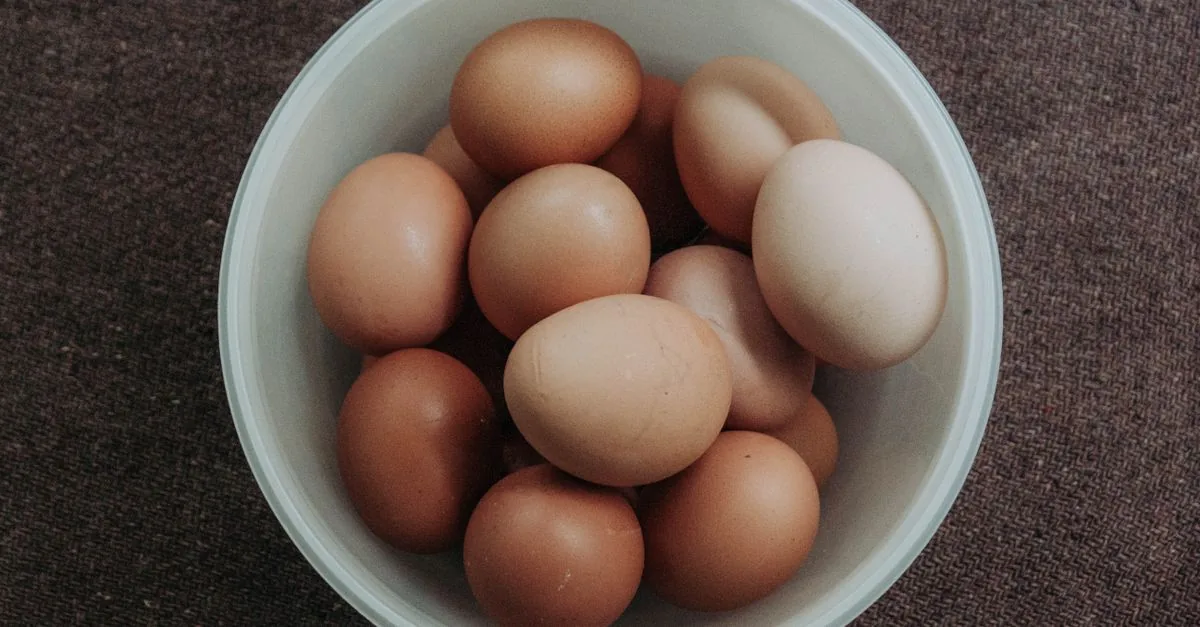
The simplest version is a poached breast, diced, served on its own or mixed into kibble. A cooked egg is just as safe as an extra protein boost.
What to avoid entirely with chicken
| Item | Safe? | Why |
|---|---|---|
| Cooked breast, boneless and skinless | Yes | Lean protein, easy to digest |
| Cooked bones | No | Splinter, risk of injury and blockage |
| Skin | No | Too fatty, taxes the pancreas |
| Fried / breaded chicken | No | Fat, breading, often salt and spices |
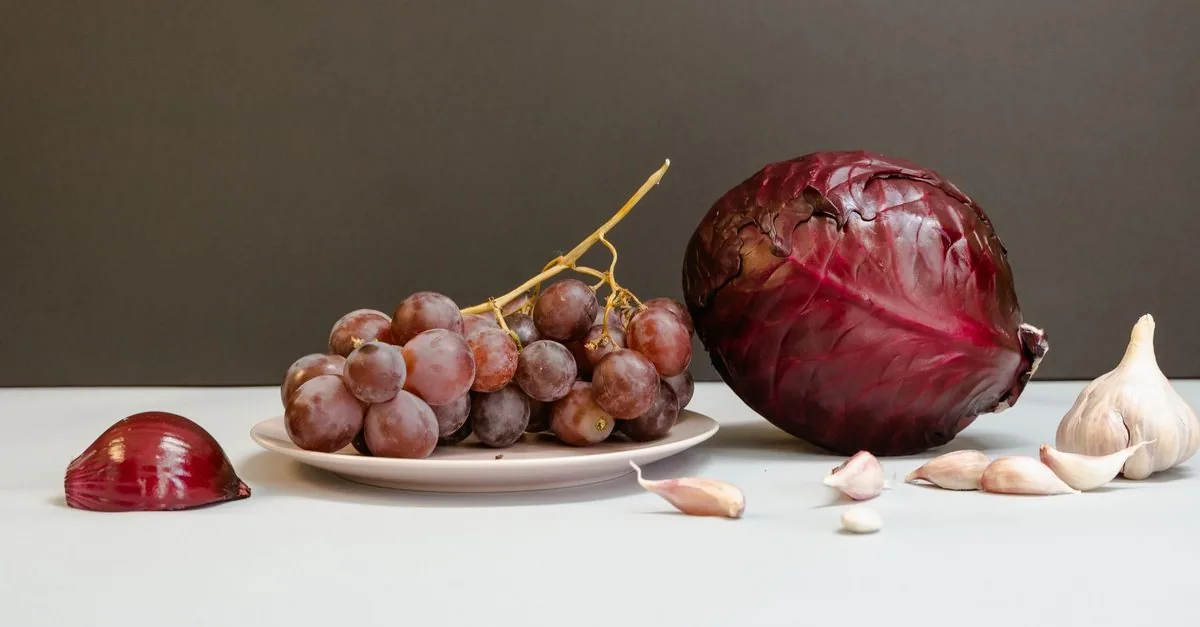
| Chicken with onion or garlic | No | The whole allium family is toxic to dogs |
| Raw chicken | Caution | Bacteria risk - only knowingly and with your vet |
| Deli meat and processed chicken | No | Very high in salt and preservatives |
The two biggest hazards are bones and seasoning. Chicken bones - especially cooked ones - break into sharp shards that can pierce or block the digestive tract. Onion and garlic (including powders, hidden in leftovers) damage your dog's red blood cells. So never hand your dog a piece off a roast, a stew, or any seasoned dish. There is more on the genuinely dangerous stuff in the guide to foods that are toxic to dogs.
How much chicken is the right portion?
The 10% rule applies here too - all treats and toppers combined should stay under one tenth of your dog's daily calorie needs. As rough guidance, as a treat:
- small dog (under 10 kg): a few bites
- medium dog (10-25 kg): a handful of cubes
- large dog (over 25 kg): a bigger portion, but still a topper, not the whole meal
If you want chicken to be a regular, main part of the diet, it is no longer a "treat" - that kind of feeding has to be balanced (calcium, vitamins, fats), so build it with your vet or a pet nutritionist. Plain meat alone, fed as the only food, does not cover all of a dog's needs.
When should you skip the chicken?
Check with your vet before feeding chicken regularly if your dog:
- has a known food allergy or intolerance (chicken is a common allergen)
- has pancreatic issues or a sensitive stomach
- is on a special elimination or prescription diet
Signs that should worry you after feeding chicken include persistent itching, vomiting, diarrhoea, or bloating. If that happens, stop the meat and contact your vet.
Bowl of chicken cleared, time to move. Open DOGOUT and see where dogs in your area are meeting up for a walk - find a buddy and join the pack before the block loop gets boring again.
Sources
Frequently asked questions
- Can dogs eat raw chicken?
- Raw chicken carries a risk of bacteria such as salmonella and campylobacter that can affect both your dog and your household. If you are considering a raw (BARF) diet, do it knowingly and with your vet. The simplest safe option is thoroughly cooked chicken.
- Why can't dogs eat chicken bones?
- Cooked bones splinter easily into sharp shards that can injure the mouth, throat, or intestines, or cause a blockage. It is one of the most common hazards. Always remove every bone before serving.
- Can dogs eat chicken skin?
- Best avoided. Skin is very fatty, and excess fat can cause stomach upset and, in sensitive dogs, even pancreatitis. Stick to plain lean meat.
- Can dogs be allergic to chicken?
- Yes. Chicken is one of the more common food allergens in dogs. If you see itching, diarrhoea, or vomiting after feeding it, stop the meat and talk to your vet.
- How much chicken can I give my dog?
- As a treat or topper, chicken should not exceed 10% of your dog's daily calorie needs. A few bites for a small dog, a larger handful for a big one. As a main, regular ingredient it needs to be balanced with your vet.