Can Dogs Eat Eggs? Cooked Is Safe - Raw Is a Different Story
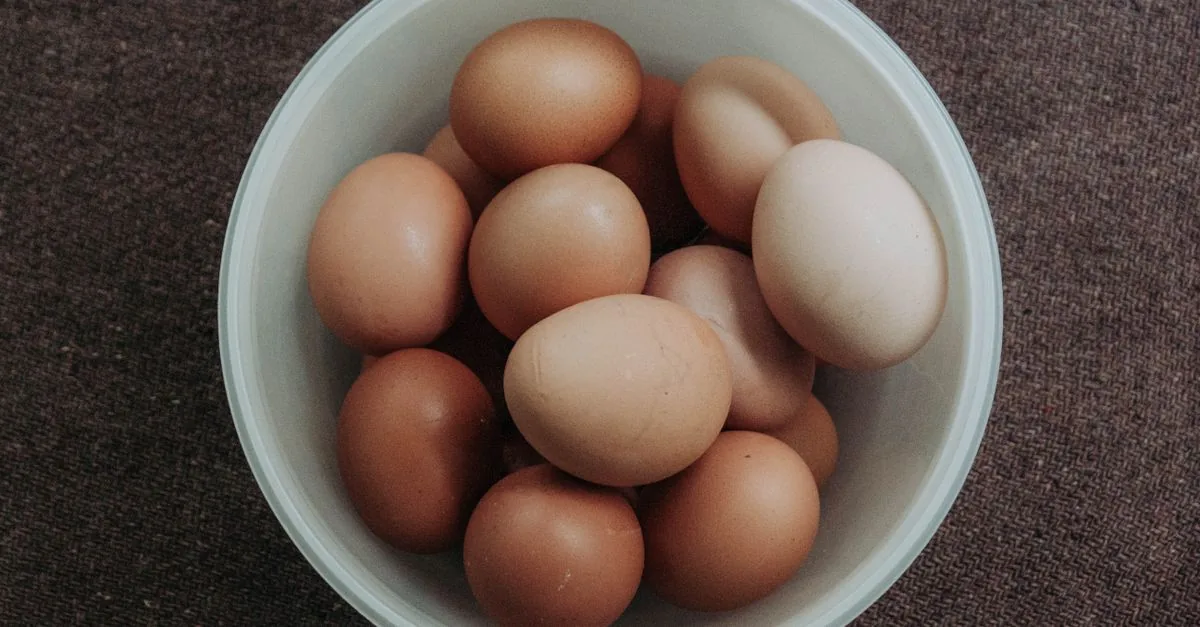
Dogs can eat cooked eggs - they are an excellent source of protein, healthy fats and amino acids. Raw eggs are a different matter: they carry a risk of salmonella infection and contain avidin, a protein that blocks biotin (vitamin B7) absorption. Always cook eggs fully before giving them to your dog. No added salt, butter or seasonings. Eggs are an occasional treat, not a daily staple.
Eggs are nutritious, dogs love them, and in most households there is always one in the fridge. So the question of whether to share is a natural one. The answer is straightforward: cooked eggs are excellent for dogs. Raw eggs are not. That gap matters more than it might seem - here is the full picture.
Cooked eggs - safe and genuinely nutritious
Fully cooked eggs are one of the best occasional treats you can give your dog. They are a compact package of high-quality nutrition:
- complete protein - eggs contain all essential amino acids that dogs need
- healthy fats - support skin, coat and energy levels
- vitamin A - supports eye health and immune function
- riboflavin (B2) and vitamin B12 - important for metabolism and nerve function
- selenium and iron - support immune function and red blood cell production
- choline - supports brain health and liver function
The protein quality in eggs is exceptionally high - egg protein is often used as the reference standard for measuring protein quality in other foods. For a dog that needs a protein boost after illness, exercise or during growth, a cooked egg is one of the most digestible options available.
Most dogs find eggs irresistible. The smell alone is usually enough to get full attention from across the room.
Raw eggs - why the risk is real
Raw eggs carry two separate problems that are worth understanding properly.
Salmonella
Raw eggs can be contaminated with Salmonella bacteria - the same risk that exists for humans. A dog that eats a contaminated raw egg can develop salmonellosis: vomiting, diarrhoea, fever and lethargy, sometimes severe enough to require veterinary treatment. Dogs are generally more resistant to some bacteria than humans, but salmonella is not one to dismiss.
There is also a secondary risk: a dog that has eaten contaminated raw egg can pass Salmonella through their faeces, creating an infection risk for humans in the household - especially children or immunocompromised adults.
Avidin and biotin deficiency
This one is spelled out by the Merck Veterinary Manual: raw egg whites contain avidin, a glycoprotein that binds biotin (vitamin B7) and prevents its absorption in the gastrointestinal tract. Merck also notes that naturally occurring biotin deficiency is very rare in dogs, so this is a mechanism to design around, not a reason to panic over one stolen egg. A single raw egg white is not going to cause a problem, but regular consumption of raw egg whites can deplete biotin over time, leading to:
- dull, dry coat
- flaky or irritated skin
- hair loss
- lethargy and muscle weakness
Cooking neutralises avidin completely - the heat denatures the protein, and cooked egg whites are perfectly safe. This is one case where cooking genuinely solves the problem rather than just reducing a risk.
Cooked vs raw - a direct comparison
| Cooked egg | Raw egg | |
|---|---|---|
| Salmonella risk | Eliminated by heat | Present |
| Avidin (biotin blocker) | Denatured by heat - safe | Active - blocks biotin absorption |
| Protein quality | Excellent | Excellent |
| Digestibility | High | Lower (raw protein is harder to digest) |
| Verdict | Yes - safe and nutritious | No - risks outweigh benefits |
The bottom line: cooking fixes both problems at once. There is no nutritional argument for raw eggs that justifies the risks.
Best ways to prepare eggs for dogs
Not all cooking methods are equal when it comes to dog safety.
Hard-boiled - the simplest option. Boil the egg fully, let it cool, peel it and serve. No added ingredients possible. Easy to portion. Suitable for training treats if broken into pieces.
Scrambled - safe as long as you cook it in a dry pan with no butter, oil or milk. Add nothing. Plain scrambled egg cooked this way is one of the gentlest foods for a dog with an upset stomach.
Fried - technically safe if cooked in a dry pan with no oil or butter, but realistically most people fry with fat. Skip this method for dogs.
Poached - fine as long as fully cooked through. No vinegar in the water.
One rule applies to all methods: no salt, no seasoning, no butter, no oil, no milk, no cheese mixed in. Plain egg only. The extras that make eggs delicious for humans are unnecessary calories and potential irritants for dogs.
How much egg is the right amount?
A single large egg contains roughly 70-80 kcal. For most dogs, that is a meaningful portion of their daily calorie budget - not something to ignore.
Suggested serving sizes:
- small dog (under 10 kg): half a small egg, two to three times per week
- medium dog (10-25 kg): one whole egg, two to three times per week
- large dog (over 25 kg): one egg daily is possible, but still treat it as a supplement not a staple
Factor egg calories into the dog's total daily intake. If you give an egg on a training day with lots of other treats, reduce the main meal slightly to compensate.
When to avoid eggs entirely
For most healthy dogs, cooked eggs are a safe occasional treat. However, speak to your vet before adding eggs if your dog:
- has known egg or protein allergies
- is prone to pancreatitis (eggs are relatively high in fat)
- has kidney disease (high-protein treats need careful management)
- is on a restricted diet prescribed by a vet
For a broader overview of safe and unsafe foods, see our guide to what dogs can and cannot eat. If you are building a healthy treat rotation, carrots and cheese are worth reading about too.
Scrambled eggs done, now what? On DOGOUT you will find group walks, dog-friendly spots and a community of owners who are just as food-obsessed about their dogs as you are. Come join the walk.
Sources
Frequently asked questions
- How often can I give my dog eggs?
- Eggs are a treat, not a daily meal component. One egg a few times a week is a reasonable maximum for a medium to large dog. For small dogs, half an egg is enough. Always factor the extra calories into their daily intake - one egg adds roughly 70-80 kcal.
- Can puppies eat eggs?
- Yes, cooked eggs are safe for puppies in small amounts. The protein and amino acids are genuinely beneficial during growth. Stick to scrambled or hard-boiled with no added ingredients, and keep portions small given the puppy's size.
- What happens if a dog eats a raw egg?
- A single raw egg is unlikely to cause serious harm in most healthy adult dogs, but the risks are real. Salmonella can cause vomiting, diarrhoea, fever and lethargy. Repeated raw egg white consumption depletes biotin over time, which can lead to skin and coat problems. If your dog ate a raw egg, watch them closely for 24-48 hours and contact your vet if you see symptoms.
- Can dogs eat the eggshell?
- Eggshells are a source of calcium and some vets recommend them ground into a fine powder as a supplement. Whole shells or large pieces are not suitable - they can splinter and irritate the mouth, throat or digestive tract. If you want to use shells, grind them finely first.
- Is scrambled egg safe for a sick dog?
- Plain scrambled egg - cooked in a dry non-stick pan with no butter, oil, salt or milk - is one of the most commonly recommended bland foods for dogs with upset stomachs. The protein is easy to digest and gentle on the gut. Always confirm with your vet if your dog has a medical condition.