Can Dogs Eat Nuts? Safe and Toxic Types Explained
Most nuts are risky or outright toxic for dogs. Macadamia nuts are strongly poisonous and absolutely off-limits. Black walnuts, pecans, and pistachios are also dangerous. Plain, unsalted, xylitol-free peanuts and cashews are generally tolerated by healthy dogs in very small amounts, but the high fat content of all nuts makes them a poor regular treat. When in doubt, consult your vet.
A bowl of mixed nuts on the coffee table, a dog with hopeful eyes - it is a familiar scene. Before you toss one over, it is worth knowing that the world of nuts and dogs is far more complicated than it looks. A few of those nuts could land your dog at the vet.
Why are nuts risky for dogs?
The biggest issue is high fat content. Most nuts are 50-70% fat by weight - one of the most calorie-dense foods around. A dog's digestive system is not built to handle that kind of fat load. Even a single large serving can cause acute pancreatitis - a serious, painful, and expensive condition. Beyond fat, some nuts are genuinely toxic to dogs, and others are a choking or obstruction risk, especially when whole or still in the shell.
Nuts that are absolutely off-limits - never feed these
Macadamia nuts - TOXIC
Macadamia nuts are one of the most well-documented canine food hazards. According to the ASPCA and the Merck Veterinary Manual, dogs can develop clinical signs at doses as low as 2.4 g/kg of body weight. The exact mechanism of toxicity is not yet known, but the symptoms are serious:
- weakness and loss of coordination in the hind legs
- vomiting and diarrhoea
- muscle tremors
- elevated body temperature
- lethargy and depression
Symptoms typically appear within 3-24 hours and usually resolve within 12-48 hours with supportive care - but your dog needs veterinary monitoring. Even a few nuts can poison a small dog. If your dog eats macadamia nuts, call your vet immediately.
Black walnuts - TOXIC
Black walnuts (common in North American nut mixes) contain juglone and are dangerous for dogs, causing vomiting and gastrointestinal upset. The most serious neurological signs - muscle tremors and, in severe cases, seizures - come mainly from mould-produced mycotoxins (walnuts mould very readily) rather than from juglone itself. Either way, keep them away from your dog.
Mouldy nuts of any variety - TOXIC
Nuts stored in a humid environment can grow mould that produces mycotoxins. These toxins cause vomiting and seizures in dogs and can be life-threatening. Never feed old, stale, or mouldy nuts of any kind.
Nuts to avoid - too risky to bother
| Nut | Main risk |
|---|---|
| English walnut | High fat, mould risk, may contain juglone; not worth the risk |
| Pecan | High fat, moulds readily (mycotoxins), contains juglone - causes vomiting and gastrointestinal distress |
| Pistachio | Not technically toxic, but very high in fat - pancreatitis risk |
| Almond | Not toxic but poorly digested; choking and obstruction risk |
| Pine nut | Extremely high in fat; only trace amounts acceptable, no real benefit |
Nuts that are relatively tolerated - occasional, tiny amounts only
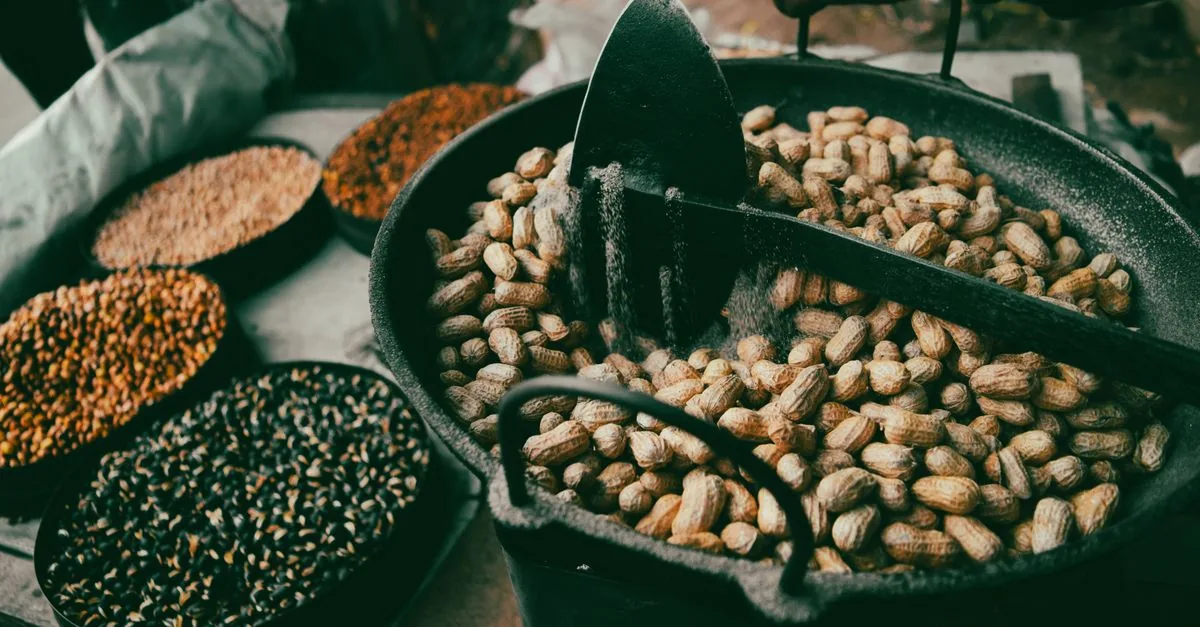
Peanuts (technically a legume, not a nut) - plain, unsalted, xylitol-free, and shelled - are generally tolerated by healthy dogs in very small amounts. This is the same plant used to make peanut butter. A few peanuts now and then will not harm most dogs, but they should not become a habit because of the fat content.
Roasted, unsalted cashews - not toxic, generally tolerated in very small amounts. A few pieces occasionally is fine for a healthy, average-sized dog. Raw cashews should be avoided.
Hazelnuts - not toxic in small quantities but are roughly 61% fat, so pancreatitis risk rises quickly with quantity. Shells are a choking and dental hazard - always remove them.
One key rule: the smaller the dog, the lower the fat tolerance and the higher the choking risk. A handful of peanuts a Labrador shrugs off can genuinely harm a small terrier.
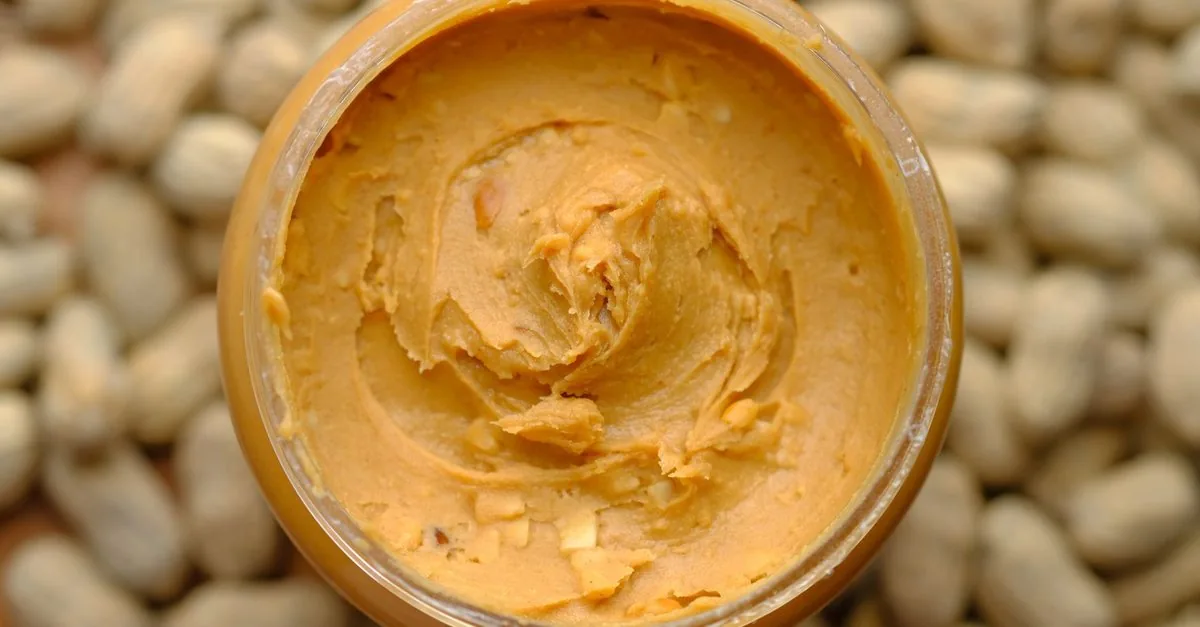
Peanut butter - check the label every single time
Peanut butter is a popular dog reward and a classic way to fill a Kong. It can be safe - but only if it meets these conditions:
- no xylitol (an artificial sweetener common in "sugar-free" and "light" products)
- no or minimal salt
- no added sugar or artificial flavourings
Xylitol is highly toxic to dogs. It triggers a rapid release of insulin, causing a dangerous drop in blood sugar that can begin within 10-60 minutes of ingestion. Read the label on every new jar you buy. For the full picture, see the article on peanut butter for dogs.
What to do if your dog eats nuts
A couple of plain unsalted peanuts or cashews - monitor for a few hours. If no vomiting or lethargy appears, your dog is likely fine.
Call your vet immediately if your dog ate:
- macadamia nuts - any amount
- black walnuts - any amount
- a large quantity of any nuts
- nuts containing xylitol, chocolate coating, or heavy salt
Do not wait for symptoms to appear before calling. Macadamia nut poisoning and xylitol toxicity both benefit from early intervention.
Safer snack alternatives
Your dog will happily trade the nut bowl for:
- crunchy carrot sticks - low-calorie and satisfying to chew
- sliced apple without seeds - fibre-rich, naturally sweet
- cucumber slices - hydrating and crunchy with almost zero calories
For a full overview of what dogs can and cannot eat, see foods toxic to dogs.
Skip the nut bowl and get outside instead. Open the DOGOUT map to find dog-friendly spots near you - new trails, new smells, new friends for the pack.
Sources
Frequently asked questions
- Which nuts are the most dangerous for dogs?
- Macadamia nuts are by far the most dangerous - even a small number can cause serious poisoning in dogs. Black walnuts (containing juglone) and any mouldy nuts of any variety (which can produce mycotoxins causing seizures) are also highly toxic.
- Can dogs eat peanuts?
- Plain, unsalted, xylitol-free, shelled peanuts are generally safe for healthy dogs in very small amounts. They are high in fat, so they should be an occasional treat only, not a dietary staple.
- My dog just ate a handful of nuts - what should I do?
- Check the type. If your dog ate macadamia nuts, black walnuts, or pecans - call your vet immediately. If it was a few plain unsalted peanuts or cashews, monitor for vomiting or lethargy. If the nuts contained xylitol or chocolate coatings - call your vet right away.
- Is peanut butter safe for dogs?
- Peanut butter can be safe if it contains no xylitol, no added salt, and no artificial sweeteners. Always read the label - xylitol is highly toxic to dogs and causes a rapid, dangerous drop in blood sugar. Choose plain, natural peanut butter with no additives.
- Why are nuts generally bad for dogs even if they are not toxic?
- Nuts are extremely high in fat - most contain 50-70% fat by weight. A dog's digestive system handles fat poorly compared to humans. Even a one-off large quantity can trigger acute pancreatitis, a serious and expensive condition to treat.
- Can dogs eat cashews?
- Roasted, unsalted cashews are not toxic to dogs and are generally tolerated in very small amounts - a few pieces occasionally. Raw cashews should be avoided. Because of their high fat content, cashews should never be a regular snack.