Can Dogs Eat Peanut Butter? Yes - If It Is Xylitol-Free
Yes, dogs can eat peanut butter, but only if it is xylitol-free - that sweetener is deadly toxic to dogs, so always check the ingredient label. Choose a plain, unsalted, unsweetened version and give it in small amounts, because it is fatty and calorie-dense. If your dog ate peanut butter containing xylitol, call your vet immediately.
Peanut butter is one of the most beloved dog treats on the planet, and for good reason - most dogs lose their minds over it. You can share it. But there is one condition you cannot skip: the ingredients. The wrong jar hides something that can kill a dog, so before you reach for the spoon, read on.
Xylitol - the one ingredient that decides everything
Let us lead with the part that matters most, because this is not a nuance, it is life or death. Xylitol is highly toxic to dogs, and there is no safe dose. It is a sweetener (sometimes listed as birch sugar) that is harmless to humans but triggers a rapid insulin release in dogs and a sharp crash in blood sugar. In larger amounts it causes liver damage.
Some manufacturers add xylitol to peanut butter specifically - especially in versions marketed as sugar-free, keto, or high-protein. So the rule is simple and non-negotiable: read the label every single time. If you see xylitol or birch sugar on the ingredient list, that jar never goes near your dog.
What to do if your dog ate peanut butter with xylitol
This is an emergency. Signs can appear fast, sometimes within 30 minutes:
- weakness, lethargy, trouble walking
- vomiting
- muscle tremors, loss of coordination
- collapse, seizures
Do not wait for the full set of symptoms. Call your vet or a 24-hour clinic immediately and head in. If you can, bring the product packaging - the ingredient list helps assess the risk. You will find the full list of foods that pose a real threat in our guide to foods toxic to dogs.
Which peanut butter is safe for dogs?
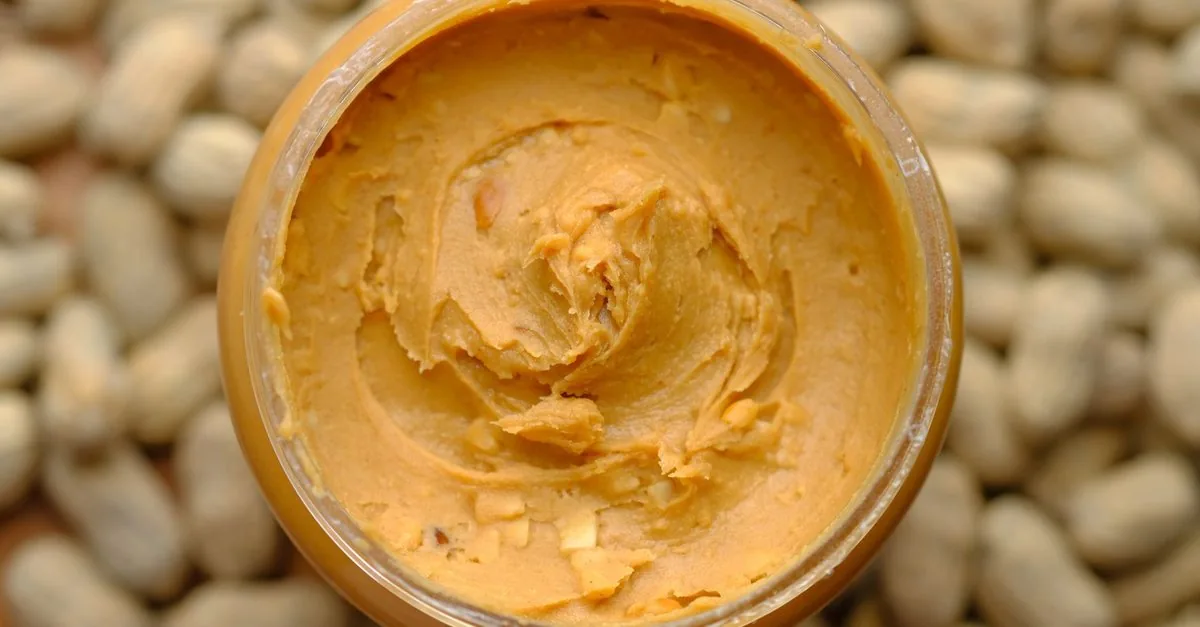
Good peanut butter for a dog is boring in the best possible way: a short ingredient list, just peanuts. The fewer add-ons, the better.
| Feature | Choose | Avoid |
|---|---|---|
| Sweetener | xylitol-free, no sugar | xylitol, birch sugar, lots of sugar |
| Salt | unsalted | heavily salted versions |
| Fats | natural, peanut only | added palm oil, hydrogenated fats |
| Ingredients | 1 ingredient (peanuts) | long list of additives, flavourings |
Simplest path: grab a plain, unsalted peanut butter with no sweeteners, ideally one where the only ingredient is peanuts. The same kind you would put on toast - just without that one forbidden sweetener.
Is peanut butter healthy for dogs?
In a sensible amount, it is a decent treat. Peanut butter offers protein, healthy fats, and vitamins E and B. Dogs adore it, which makes it brilliant as:
- a high-value training reward
- a way to hide a pill
- a filling for a chew toy like a Kong that keeps your dog busy and gives them a bit of brain work
That last use is genuinely worth it - a snuffle mat or a Kong smeared with a little peanut butter is a simple fix for a dull, rainy day. We gathered more of these enrichment ideas in the piece on snacks and fruit as training currency, where treats double as a reason to keep your dog engaged.
Why moderation matters with peanut butter
Even the best, purest peanut butter comes with one catch: it is fatty and calorie-dense. Large, regular portions encourage weight gain, and in predisposed dogs too much fat can stress the pancreas. That is no reason to panic over a smear on a toy - but it is a reason to keep amounts small.
Rough occasional portions:
- small dog (under 10 kg): about half a teaspoon
- medium dog (10-25 kg): 1 teaspoon
- large dog (over 25 kg): 1-2 teaspoons
The same 10 percent rule applies as with other treats: all snacks combined should not exceed one tenth of your dog's daily calorie needs. For the full picture of what to share and what to skip, see the guide to what dogs can and cannot eat.
When to skip peanut butter
Check with your vet before offering it if your dog:
- is overweight or on a calorie-restricted diet
- has had pancreatitis or is predisposed to it
- needs a low-fat diet for health reasons
- is food-sensitive or has had allergic reactions
In these cases, even safe xylitol-free peanut butter may not be a good idea - leave that call to your vet.
A Kong with a smear of peanut butter is a good start to the day, not the whole plan. Open DOGOUT, see where dogs in your area are actually running, and set up a walk before the same old block loop gets boring again.
Sources
Frequently asked questions
- What kind of peanut butter is safe for dogs?
- Natural peanut butter with a short ingredient list of just peanuts, no xylitol, no added salt, sugar, or palm oil. Always read the label before giving any to your dog.
- Why is xylitol so dangerous for dogs?
- Xylitol triggers a rapid insulin release and a sharp drop in blood sugar, and in larger doses it causes liver damage. There is no safe amount - signs can appear within 30 minutes. It is an emergency, so call your vet.
- How do I spot peanut butter with xylitol?
- Xylitol is sometimes listed as birch sugar and is common in products marketed as sugar-free, keto, or high-protein. Scan the ingredients and the sweetener list. If in doubt, do not give it.
- How much peanut butter can I give my dog?
- Very little. Around half a teaspoon for a small dog, one to two teaspoons for a larger dog, as an occasional treat. Snacks should not exceed 10 percent of daily calorie needs.
- Can peanut butter harm a dog even without xylitol?
- Yes, in excess. It is high in fat, so large portions encourage weight gain and may stress the pancreas in predisposed dogs. Dogs with pancreatitis or on a low-fat diet should only have it with vet approval.
- Can I use peanut butter to give my dog a pill?
- Yes, a small amount of safe peanut butter is a classic way to hide a tablet or fill a chew toy like a Kong. Just count that portion toward your dog's daily treat allowance.