Can Dogs Eat Pears? Yes - Ripe Flesh, No Seeds
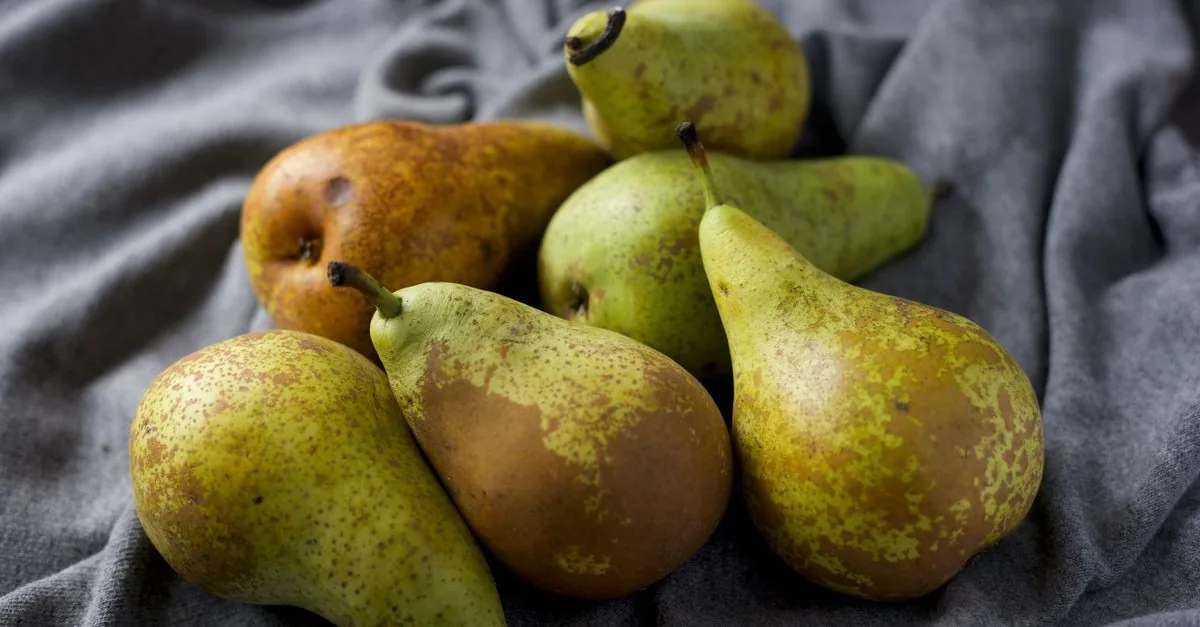
Yes, dogs can eat pears - ripe flesh is safe and provides fibre, vitamin C, and potassium. Always remove the core and seeds (which contain trace cyanide) plus the stem, and cut the fruit into pieces. Because of the sugar, serve pears in moderation as an occasional treat.
Pears sit in the fruit bowl in half the kitchens out there, and your dog eyes them the same way they eye everything that crunches. Good news - a piece of ripe pear is fine to share. Less good news - this is not a fruit you just toss over whole. Prep and portion are what matter here.
What does a pear offer a dog?
Ripe pear flesh is non-toxic and brings a few solid nutrients to the bowl. The AKC and PetMD confirm pears contain:
- fibre - supports digestion and gut function
- vitamin C - helps the immune system
- vitamin K - plays a role in blood clotting
- potassium - important for heart and muscle function
- plenty of water - good hydration, especially in summer
That is a strong list for a fruit. The catch is that pears are fairly sugary, so treat them as a snack, not a side dish for every meal.
Which parts of a pear are dangerous?
This is where the owner does the work. The flesh is safe - the rest needs attention.
| Part of the pear | Safe? | Why |
|---|---|---|
| Ripe flesh | Yes | Source of fibre and vitamins |
| Skin | Yes, washed | Contains fibre, rinse it well |
| Seeds | No | Trace amounts of cyanide |
| Core | No | Choking and blockage risk |
| Stem | No | Hard, can get stuck |
Pear seeds, like apple seeds, contain cyanogenic compounds that release trace amounts of cyanide when chewed. A single seed swallowed by accident is unlikely to harm a large dog, but there is no reason to gamble - always bin the core and seeds. The hard core and stem are also a genuine choking hazard and can cause an intestinal blockage, especially in small dogs. The same rule applies with apples - remove the core, serve the flesh.
How to serve pear to your dog
A simple step-by-step:
- Pick a ripe pear - a hard, unripe one digests poorly
- Wash it well - the skin is fine, but pesticide residue is not
- Cut out the core and seeds, and remove the stem
- Slice into small pieces - sized for your dog, never whole
- Offer a few pieces - start small, especially the first time
What to avoid with pears:
- canned pears and pears in syrup - loaded with added sugar, sometimes preservatives
- dried pears - concentrated sugar in a tiny package
- pear juice and pear products - to a dog, that is just sugar
- handing over a whole pear - a straight invitation to choke
How much pear is a safe portion?
The familiar 10% rule applies: all treats combined should stay under one tenth of your dog's daily calorie needs. Rough guidance:
- small dog (under 10 kg): 1-2 small pieces
- medium dog (10-25 kg): a few pieces, about a quarter of a pear
- large dog (over 25 kg): up to half a pear
A small portion a few times a week beats a big one every day. Too much pear - sugar and fibre at once - can end in an upset stomach and loose stools. If you see that, give the fruit a rest for a while.
Fun ways to serve pear
A plain piece is the classic, but you can make pear more interesting without breaking a single safety rule:
- frozen pieces - a cooling summer snack your dog has to work at a little longer
- stuffing for a snuffle mat or chew toy - mashed flesh works well in place of a fatty spread
- a training reward - one small piece while teaching a cue, within the daily treat limit
Just remember that every version is still sugar and calories - count it inside that 10% and take it off the rest of the day's treats. Cooked or baked pear with no additives is also safe, but it loses some of its vitamins along the way, so fresh, ripe fruit usually makes the most sense.
What if your dog eats the core or seeds?
If your dog swipes a piece of pear with the core, or swallows the stem, most of the time nothing serious happens - especially in a large dog and with a small amount. Still, keep an eye on them over the next few hours. Warning signs are vomiting, dry retching, belly pain, lethargy, loss of appetite, or constipation - these can point to a blockage. When in doubt, and particularly with a small dog or a puppy, call your vet and describe what happened.
When should you check with your vet?
Talk to your vet before offering pear if your dog:
- has diabetes or is overweight (fruit sugar counts)
- has a sensitive stomach or a tendency toward diarrhoea
- is a puppy or a very small dog (higher choking risk)
Pear is a nice, light addition to the diet, but it does not replace complete food or treat digestive problems. If you want the bigger picture on fruit and veg, see the piece on bananas, and you will find the full list of safe and unsafe foods in the guide on what dogs can and cannot eat.
A piece of pear to get them going, then out the door. Open DOGOUT, see where dogs in your area are walking today, join a walk, and turn that loop around the block into something worth doing.
Sources
Frequently asked questions
- Can dogs eat pears with the skin on?
- Yes, the skin of a ripe pear is safe and adds fibre. Wash the fruit well to remove any pesticide residue and cut it into small pieces.
- Are pear seeds toxic to dogs?
- Pear seeds and the core contain compounds that release trace amounts of cyanide, so always remove them. One accidentally swallowed seed rarely harms a dog, but the core is also a choking and blockage risk.
- How much pear can I give my dog?
- A few small pieces is plenty for a medium-sized dog. All treats combined should stay under 10% of daily calorie intake.
- Can dogs eat canned pears?
- Better not. Pears in syrup carry a lot of added sugar and can upset the stomach. Stick to fresh, ripe fruit instead.
- Is pear good for a dog with a sensitive stomach?
- The fibre in pears can gently support digestion, but too large a portion will cause upset on its own. Introduce it slowly, and see your vet if problems keep coming back.