Can Dogs Eat Broccoli? Yes - But Only in Small Amounts
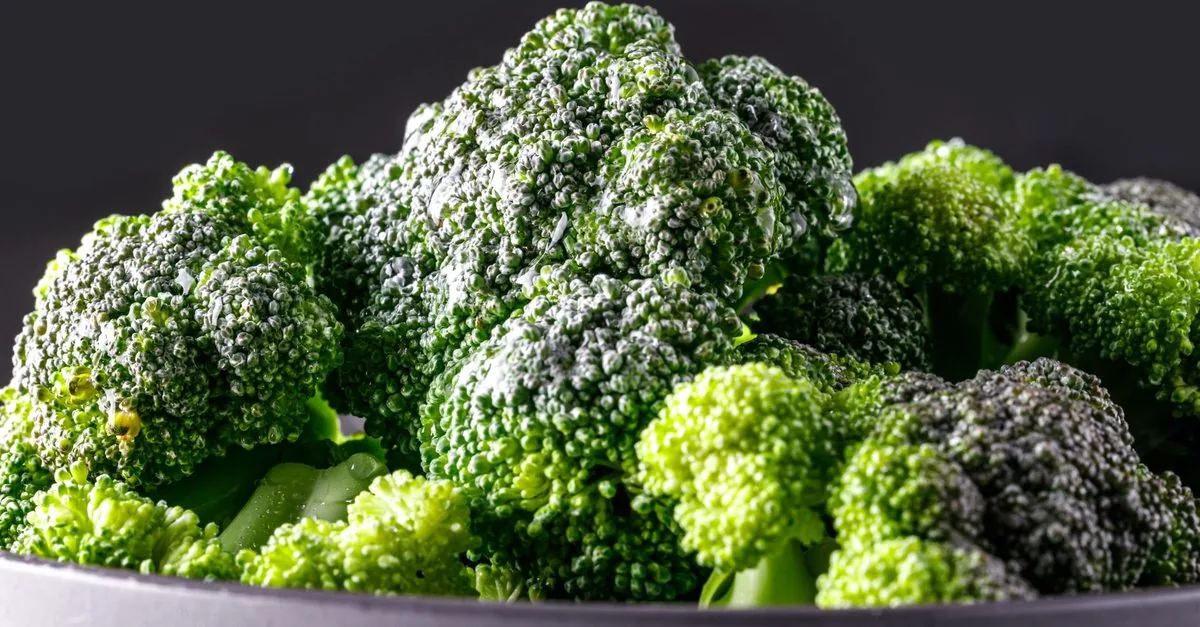
Yes, dogs can eat broccoli - it is a safe, low-fat vegetable rich in fibre and vitamin C. Give it in small amounts: VCA advises that treats and extras together stay within 10% of daily calories. Larger portions usually mean gas and loose stools, and the tough stalk is a choking or gastrointestinal blockage hazard, especially for small dogs. The safest way to serve it is cooked or steamed and cut into small pieces.
Broccoli is one of those vegetables that ends up under your dog's nose every time you cook dinner. Good news: a piece of broccoli will not hurt them. Less good news: this is not a vegetable you can pile into the bowl without limits. With broccoli, "moderation" is not a polite word - it actually matters.
What does broccoli offer a dog?
Broccoli is low in fat and packs decent nutrition. The ASPCA lists it among the vegetables that make good snack options for a pet. It provides:
- fibre - supports gut function and helps your dog feel full
- vitamin C - helps immune function
- vitamin K - plays a role in blood clotting
- antioxidants - help neutralise free radicals
- very few calories - a good option for a dog watching their weight
That is a solid list. Dogs do not need large amounts of vegetables to stay healthy, but broccoli as an occasional extra or a low-calorie treat makes sense.
Why only small amounts of broccoli?
This is the heart of it. It is not about toxicity - broccoli is not poisonous to dogs. It is about proportion, and about the gut.
First, calories. VCA gives no separate limit for broccoli, only the general rule that covers every extra: 90% of daily calories should come from a complete and balanced food, and at most 10% from treats and snacks. Broccoli belongs inside that 10%, not alongside it. In other words, it is safe as long as it stays an extra, not a meal. For a small dog that threshold is literally a couple of small florets.
Second, gas and bloating. Just like in people, broccoli ferments in the gut thanks to its fibre. A small portion rarely matters, but a full bowl ends in a rumbling stomach and unpleasant company. VCA also notes that any change of diet can cause GI upset, which is why new vegetables go in one at a time. In a dog with a sensitive gut even a few florets can loosen the stool - keep the first portion minimal and watch how they cope over the next day.
The broccoli stalk - watch for choking
The most overlooked risk: the tough stalk. It is fibrous and stiff, and fed whole or in large chunks it can be a choking or esophageal obstruction hazard - especially in small dogs. If you want to offer the stalk, chop it into very small pieces and cook it first so it softens. The florets are safer, but they should still be small.
How to serve broccoli to your dog
A few simple rules:
- Wash the broccoli and cut it into small, bite-sized pieces
- Cook or steam it - cooked broccoli is softer, breaks down more easily, and is gentler on the gut than raw
- Do not add anything - no salt, oil, butter, sauces, or seasoning
- Keep the portion small - start with one or two pieces and watch the reaction
Raw broccoli is acceptable too, but it is harder and tougher to digest - for a sensitive dog, cooking it is the better call.
What to avoid entirely:
- broccoli with garlic or onion - the onion family is toxic to dogs and damages red blood cells
- broccoli with butter, cheese, or sauce - unnecessary fat and salt
- big portions "because they love it" - the fastest route to an irritated gut
How much broccoli is the right portion?
The same 10% rule applies as with all treats - snacks together should not exceed one tenth of daily calorie needs. Rough guidance:
- small dog (under 10 kg): 1-2 small florets
- medium dog (10-25 kg): a few small florets
- large dog (over 25 kg): a handful of finely chopped pieces
Serve broccoli occasionally, not daily, and always watch how your dog handles it. Test with a small amount the first time.
When to skip the broccoli
Check with your vet before offering broccoli if your dog:
- has a sensitive stomach or a tendency to diarrhoea
- is on a prescription diet with a defined ingredient list
- has a history of obstruction or trouble swallowing
If broccoli triggers vomiting, diarrhoea, or clear discomfort, drop it - and for recurring symptoms, contact your vet.
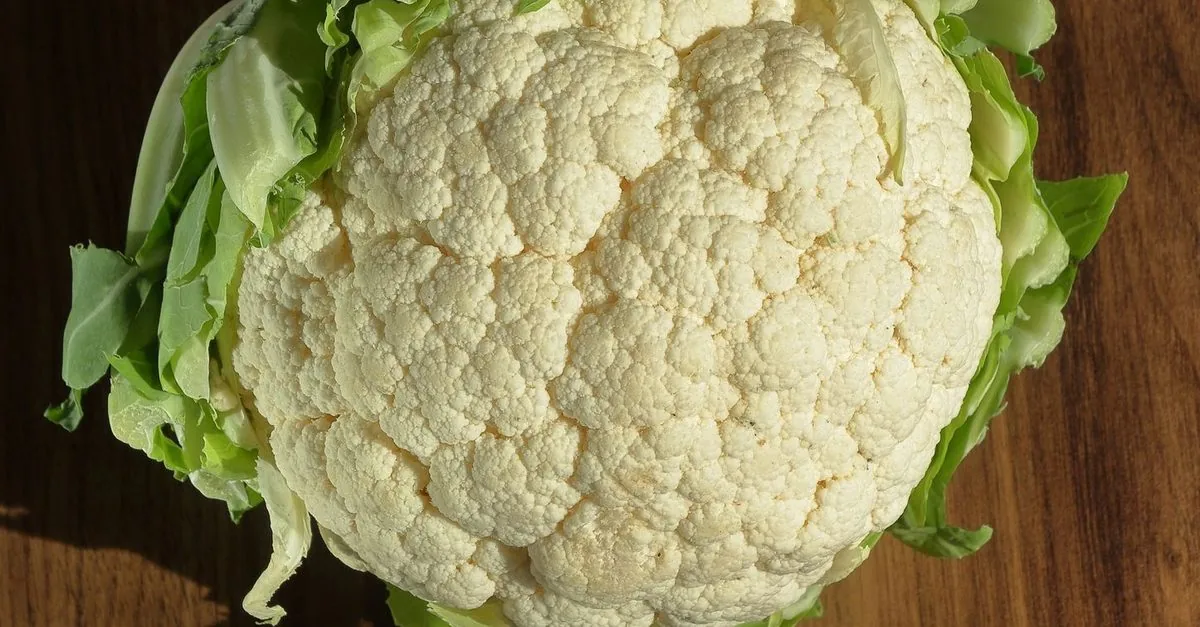
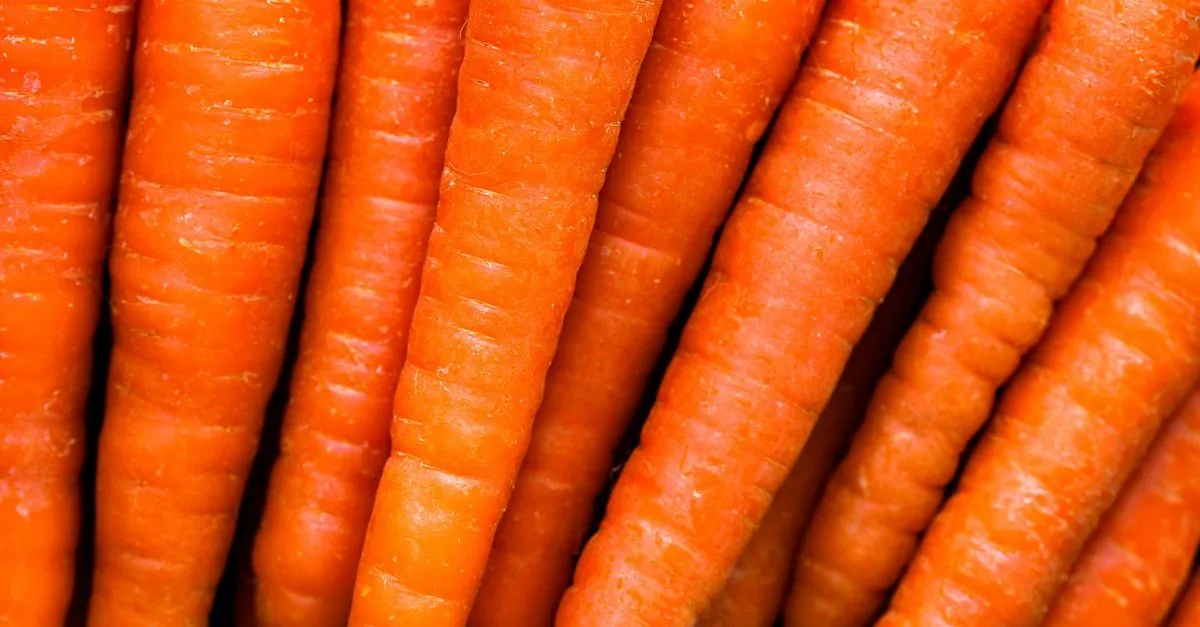
Looking for other safe vegetables for your dog? See carrots, great for crunching, and cauliflower, which works on the same principles as broccoli. For a full guide to what is fine and what is not, visit what dogs can and cannot eat.
One small floret as a snack, then get moving. Open DOGOUT and see where dogs in your area are walking today - join a walk before the loop around the block gets dull again.
Sources
Frequently asked questions
- Is broccoli safe for dogs?
- Yes, broccoli is safe for dogs in small amounts. VCA sets no separate limit for broccoli - the general treat rule applies: 90% of calories from a complete and balanced food, at most 10% from treats and snacks. Broccoli counts inside that 10%, not alongside it.
- Why does broccoli give my dog gas?
- Broccoli is high in fibre, which ferments in the gut - in dogs just as in people. Smaller, less frequent portions keep the risk of discomfort low. VCA advises introducing new vegetables one at a time, precisely so you know what disagreed with your dog.
- Can dogs eat the broccoli stalk?
- The stalk is tough and can be a choking or esophageal obstruction hazard, especially for small dogs. If you do offer it, chop it into very small pieces and ideally cook it until soft.
- Should broccoli be cooked or raw for dogs?
- Both are acceptable, but cooked or steamed broccoli is softer, easier to digest, and gentler on the gut. Never add salt, oil, butter, garlic, or onion.
- How much broccoli can I give my dog?
- Stick to the 10% rule: broccoli plus any other treats should not exceed one tenth of your dog's daily calorie needs. For a small dog that is literally a couple of small florets; a large dog can have a little more.
- What should I never serve with broccoli?
- Do not serve broccoli with sauces, cheese, butter, seasoning, or anything from the onion family (onion, garlic, leek), which are toxic to dogs. Plain, unseasoned broccoli is the only safe form.