Can Dogs Eat Chocolate? No - It Is Poison, Not a Treat
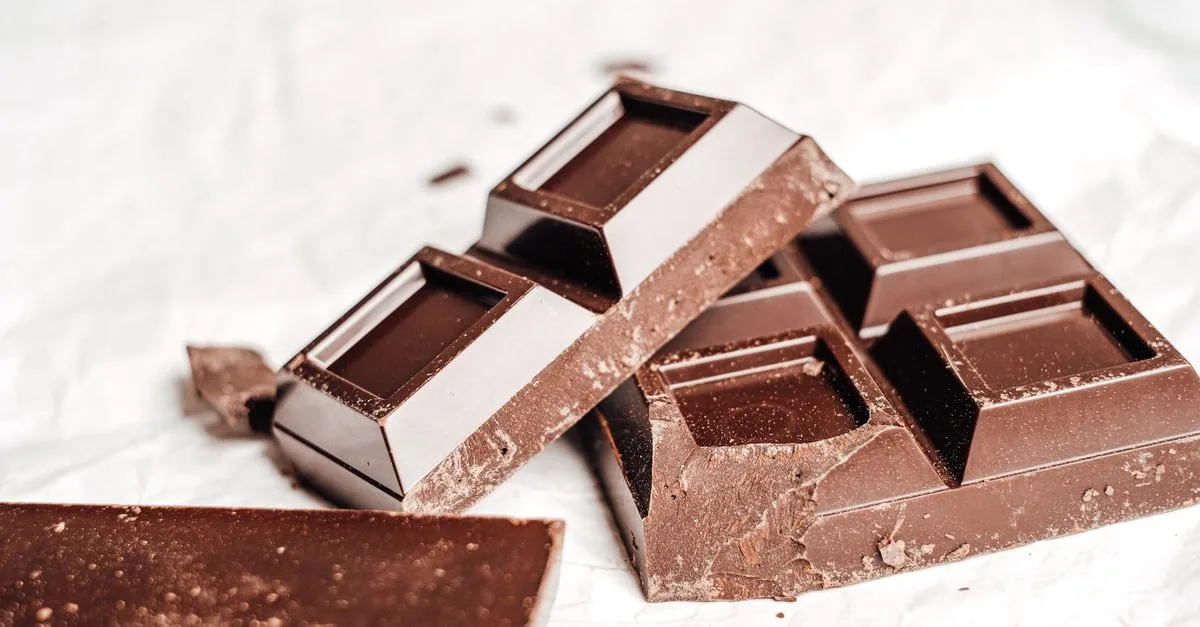
No, dogs cannot eat chocolate. It contains theobromine and caffeine, which dogs do not break down the way people do - so they build up and poison the body. The darker the chocolate, the higher the danger (dark, baking chocolate, and cocoa powder are the worst). The risk depends on the amount and your dog's weight, so do not guess a dose - if your dog ate chocolate, call your vet or an emergency clinic right away.
A dog will walk up to a chocolate bar with the same enthusiasm it brings to anything that smells like food. The problem is that chocolate is not a treat for a dog - it is poison. This is not an urban myth or a scare tactic. Theobromine and caffeine, which barely affect us, behave completely differently inside a dog.
Why is chocolate toxic to dogs?
Chocolate contains two methylxanthines: theobromine and caffeine. In people, both are broken down and cleared quickly. Dogs metabolise them far more slowly, so instead of clearing out, they accumulate and reach levels that strain the heart and nervous system.
The more cocoa solids a product contains, the more theobromine it carries - which is why dark chocolate, baking chocolate, and cocoa powder are far more dangerous than milk chocolate. White chocolate has only trace theobromine, but it is loaded with fat and sugar, so it is no good for a dog either.
This is one item on our wider list of foods toxic to dogs, alongside grapes, onion, and xylitol.
Which chocolate is the most dangerous?
The core rule: risk tracks theobromine concentration, and that rises with the cocoa content.
| Type of chocolate | Theobromine content | Risk level |
|---|---|---|
| Cocoa powder | Very high | Highest |
| Baking chocolate | Very high | Highest |
| Dark chocolate | High | High |
| Milk chocolate | Low | Moderate |
| White chocolate | Trace | Low (but fat and sugar) |
So the same portion means a completely different threat depending on the product. A square of dark chocolate is a far bigger problem than a square of milk chocolate. Baking cocoa or a chocolate glaze is the worst-case scenario.
What decides whether poisoning happens?
There is no single "safe" or "lethal" number, because poisoning depends on several factors at once:
- Type of chocolate - the darker it is, the more theobromine.
- Amount - a bigger portion means a bigger dose of the toxin.
- Your dog's weight - the same square is far more dangerous for a small dog than a large one.
- Health status - dogs with heart conditions and senior dogs are more sensitive.
This is exactly why it is not worth calculating a dose yourself or waiting to see "if anything happens". Your vet will judge the risk from the specifics - the type of chocolate, the amount, and your dog's weight - and decide what to do.
What are the symptoms of chocolate poisoning?
Signs usually show up within 6 to 12 hours of eating chocolate and can last a long time, because theobromine is cleared slowly. Watch for:
- vomiting and diarrhoea
- increased thirst and more frequent urination
- restlessness, agitation, excessive panting
- a fast heart rate
In more serious cases you may see muscle tremors, an irregular heartbeat, stiffness, seizures, and at very high doses a life-threatening state. The sooner your dog is under veterinary care, the better - treatment works best before the toxin is absorbed.
What to do if your dog ate chocolate
Act immediately, even if your dog looks normal:
- Call right away - your vet or a 24-hour emergency clinic. Do not wait for symptoms.
- Give the key facts: what type of chocolate it was (milk, dark, baking, cocoa), the rough amount, the time your dog ate it, and how much it weighs.
- Keep the wrapper - the cocoa percentage and ingredients help assess the risk.
- Do not induce vomiting on your own - only do so on your vet's clear instruction.
If you can, check whether your dog also got into other sweets - chewing gum or "sugar-free" candy may contain xylitol, which is even more dangerous. The way methylxanthines work is similar to the mechanism we cover for grapes and other high-risk foods.
How to keep your dog away from chocolate
Prevention is simple and effective:
- keep chocolate, cocoa, and baked goods out of reach, including in bags and backpacks
- be extra careful over the holidays - chocolate Santas, bunnies, and ornaments are classic traps
- tell kids and guests not to share "just a little" with the dog
- save the number for your nearest 24-hour clinic before you ever need it
For a full guide to what is fine and what is off-limits, see what dogs can and cannot eat.
Leave the chocolate on the shelf, out of reach, and spend that energy where it counts - outside. Open DOGOUT, see where dogs in your area are walking today, and join a route before things get boring.
Sources
Frequently asked questions
- My dog ate a piece of chocolate - what do I do?
- Call your vet or an emergency clinic immediately, even if your dog seems fine. Tell them the type of chocolate, the rough amount, when it happened, and your dog's weight. Do not wait for symptoms and do not induce vomiting on your own.
- Is milk chocolate as dangerous as dark chocolate?
- No - milk chocolate has far less theobromine than dark, baking chocolate, or cocoa. But no chocolate is safe. Only the amount that triggers poisoning differs, and even a small portion can harm a small dog.
- What are the symptoms of chocolate poisoning in dogs?
- Most commonly vomiting, diarrhoea, increased thirst and urination, restlessness and agitation, and a fast heart rate. In more serious cases, muscle tremors, an irregular heartbeat, and seizures. Signs usually appear within 6 to 12 hours.
- Is white chocolate safe for dogs?
- White chocolate has only trace theobromine, so the risk of methylxanthine poisoning is low. It is still a bad idea - it is a heavy dose of fat and sugar that can cause an upset stomach or even pancreatitis.
- How much chocolate does a dog have to eat to get poisoned?
- There is no single number - it depends on the type of chocolate and your dog's weight. The same square is more dangerous for a small dog than a large one, and dark is worse than milk. Do not calculate a dose yourself; call your vet.