Can Dogs Eat Mango? Yes - Ripe Flesh, No Pit
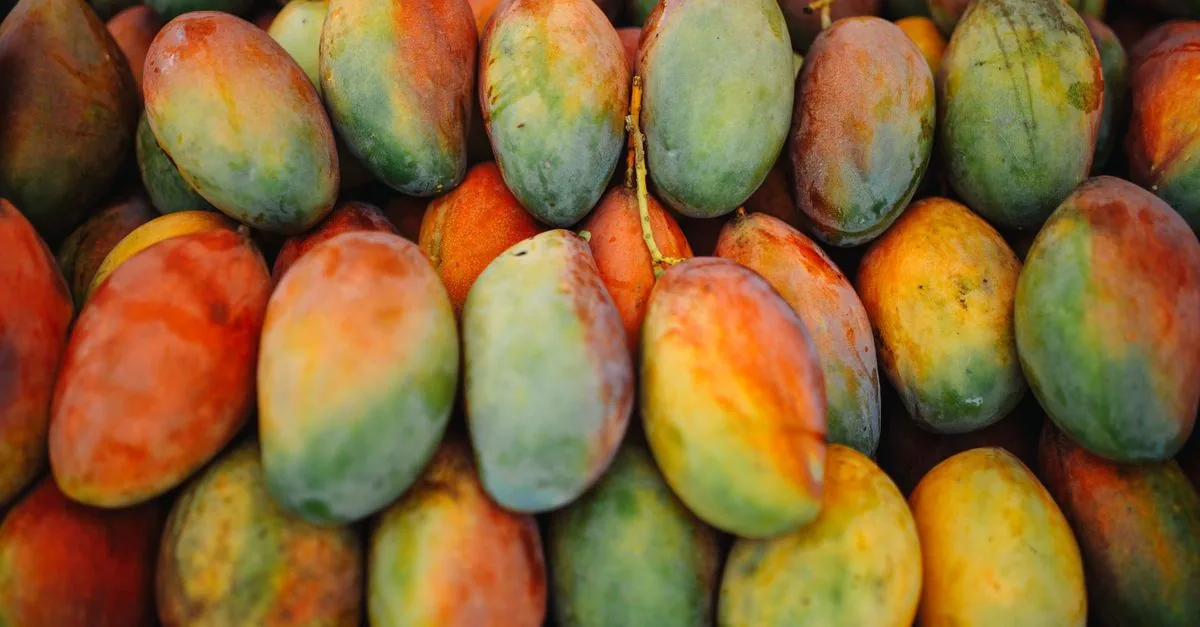
Yes, dogs can eat ripe mango flesh - it is a safe snack rich in vitamins A and C and fibre. Always remove the pit (it is large and hard, so it is a choking and blockage hazard) and peel off the skin. Because of the high sugar content, feed mango in moderation, in small pieces.
Mango smells like summer, and a dog who sees you slicing something will always hope for a piece. Good news: you can share ripe mango flesh. Less good news: this is not a fruit you toss across the floor whole. The pit and skin are a real problem, and there is a fair bit of sugar in there. Here is the practical version - what is safe, what to skip, and how much to give.
What does mango offer a dog?
Mango has a strong nutritional profile. The AKC and other vet sources confirm that ripe flesh provides:
- vitamin A - supports vision and skin
- vitamin C - helps immune function
- vitamins B6 and E - for metabolism and skin condition
- fibre - supports digestion
- beta-carotene - a natural antioxidant
That is a solid list. The catch is that along with those vitamins, mango brings a lot of natural sugar, which is why it is not an everyday snack.
Why are the mango pit and skin a problem?
This is the most important part of the article, so no shortcuts.
The pit is large, hard, and fibrous. Unlike plum, cherry or peach stones it carries no cyanogenic compounds - mango is not a Prunus, and it appears nowhere on Merck's list of cyanogenic plants. The real danger is mechanical: choking and intestinal blockage. The pit easily lodges in the gut, especially in smaller dogs. If your dog swallows a whole pit, watch for vomiting, loss of appetite, belly pain, and constipation, and call your vet.
The skin is not classically toxic, but it is tough to digest and may contain urushiol - the same compound that causes irritation in poison ivy. In a dog it can irritate the mouth and stomach. Just peel it off.
How to serve mango to your dog
A few simple steps:
- Pick a ripe fruit - hard, unripe mango is harder to digest
- Peel off all the skin
- Remove the pit - this one is not negotiable
- Cut the flesh into small pieces sized for your dog
- Serve fresh or chilled - frozen cubes make a great cooling summer treat
What to avoid entirely:
- dried mango - concentrated and often added sugar
- mango in syrup or canned mango - sugar and preservatives
- ready-made desserts, ice creams, and flavoured yoghurts - they may contain xylitol or chocolate, both toxic to dogs
How much mango is the right portion?
The familiar 10% rule applies: all treats together should not exceed one tenth of your dog's daily calorie needs. Mango is sweeter than it looks, so stick to small portions.
| Fruit (per 100 g) | Sugar | Calories |
|---|---|---|
| Strawberries | 7 g | 32 kcal |
| Watermelon | 6 g | 30 kcal |
| Banana | 12 g | 89 kcal |
| Mango | 14 g | 60 kcal |
Mango is high in sugar for a fruit - for a dog watching their weight, that is a cue to stick to 2-3 small pieces rather than a whole slice.
Rough guidance:
- small dog (under 10 kg): 1-2 small pieces
- medium dog (10-25 kg): a few small pieces
- large dog (over 25 kg): a handful of pieces, a few times a week
When to skip mango
Check with your vet before offering mango if your dog:
- has diabetes
- is overweight or on a calorie-restricted diet
- has a sensitive stomach or a tendency toward loose stools
The first time, offer a really small amount and see how your dog reacts. Introduce fruit one item at a time.
Looking for other fruit options? See the articles on bananas and apples. For a full guide to safe and unsafe foods, visit what dogs can and cannot eat.
Mango shared, time to move. Open DOGOUT and see where dogs in your area are walking today - line up a walking buddy before the loop around the block gets dull again.
Sources
Frequently asked questions
- Is the mango pit dangerous for dogs?
- Yes. The mango pit is a choking and intestinal blockage risk because it is large and hard. Always remove it, and if your dog swallows a whole pit, contact your vet.
- Can dogs eat mango skin?
- Better not. Mango skin is hard to digest and may contain urushiol - the same compound found in poison ivy - which can irritate the mouth and gut. Peel the mango before serving.
- How much mango can I give my dog?
- A few small pieces of ripe flesh is enough. Treats together should not exceed 10% of your dog's daily calorie intake. Mango is high in sugar, so keep it an occasional snack.
- Is dried mango good for dogs?
- Not recommended. Dried mango has concentrated sugar and often added sugar or preservatives. A small amount of fresh, ripe flesh is the better choice.
- Can a puppy eat mango?
- Introduce fruit to a puppy's diet carefully, in very small amounts, and watch their reaction. If you have any doubts about a young dog's diet, check with your vet.