Can Dogs Eat Plums? Flesh Yes - Pit Never
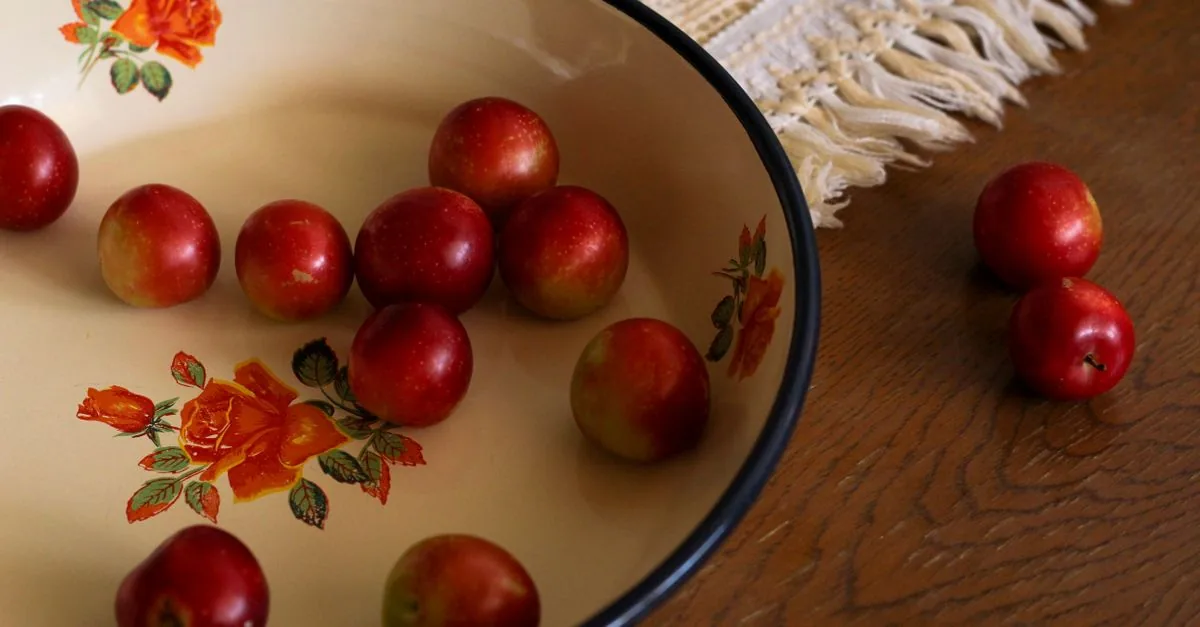
Dogs can eat a small amount of ripe plum flesh once the pit, stem, and leaves are completely removed. The main hazard from the pit is choking and intestinal blockage - Pet Poison Helpline notes that dogs do not chew thoroughly, so cyanide poisoning after eating a pit is unlikely. Either way, call your vet. Plums are also high in sugar, so even the flesh should be given rarely and in small portions.
Plum season arrives and there they are - ripe, fragrant fruit on the counter and a dog with hopeful eyes. Before you share a slice, read this. Plums are one of those fruits where the difference between flesh and pit is literally a matter of your dog's safety.
Is plum flesh safe for dogs?
Ripe plum flesh is not toxic to dogs. According to PetMD, given occasionally and in a small amount - with the pit fully removed - it is an acceptable treat. Plum flesh provides:
- vitamin C - supports immune function
- vitamin A - important for vision and skin health
- vitamin K - involved in blood clotting
- fibre - supports digestion
- potassium - supports muscle and heart function
However, plums are relatively high in sugar. A single 60-gram plum contains around 6 grams of sugar - more than strawberries or watermelon. That makes plums an occasional snack at most, not a daily one.
The plum pit - a serious danger
There is no grey area here. The plum pit must never be swallowed or chewed by a dog.
The pit's inner kernel, along with the stem and leaves, contains amygdalin - a cyanogenic glycoside. When chewed or broken down chemically, amygdalin releases hydrogen cyanide (HCN), a potent poison that blocks cells from using oxygen.
Two dangers at once - but they are not equally likely:
- Intestinal blockage - the real and far more common risk. A pit swallowed whole can block the digestive tract, especially in smaller dogs. This is a life-threatening condition that may require surgery. It is exactly why VCA advises removing pits, seeds and cores from any fruit you give a dog.
- Cyanide poisoning - possible, but less likely than the internet suggests. Pet Poison Helpline, writing about peach pits (the same mechanism), puts it plainly: releasing free cyanide requires the pit to be thoroughly chewed, and because cats and dogs do not thoroughly chew their food, cyanide poisoning following a pit ingestion is unlikely. What a pit can do to a small dog is cause an obstruction.
Symptoms to watch for - act immediately
If a pit was crushed, signs of cyanide poisoning can appear within minutes to an hour after ingestion:
- laboured or rapid, shallow breathing
- bright cherry-red gums
- dilated pupils
- excessive drooling or salivation
- weakness, unsteady gait
- seizures or loss of consciousness
If you notice any of these after your dog has eaten a plum - do not wait. Go to a vet immediately.
Which parts of a plum are safe?
| Part of the plum | Give to the dog? | Note |
|---|---|---|
| Flesh (ripe) | Yes - rarely, small pieces | Safe, but high in sugar |
| Skin | Yes - washed | Safe, contains fibre |
| Pit (whole) | No | Risk of intestinal blockage |
| Pit kernel (inside) | Absolutely not | Contains amygdalin - releases cyanide |
| Stem | No | Choking risk, contains toxins |
| Leaves or branches | Absolutely not | Contain amygdalin |
| Prunes (dried plums) | Not recommended | Very high sugar, pit equally dangerous |
How to prepare a plum for your dog
If you want to share a piece:
- Choose a fully ripe, soft plum
- Wash it thoroughly under running water
- Cut it open and remove the pit completely - check that no fragments remain
- Remove the stem
- Cut the flesh (with or without skin) into small pieces
- Offer a few pieces - not the whole fruit
Keep the pit out of reach. A pit tossed in the bin is still a plum pit your dog might go looking for.
Plums and other stone fruits
Plums are not the only stone fruit that raises safety concerns. Cherries, apricots, peaches, and nectarines share the same structure - their pits also contain amygdalin. The rule is consistent: flesh is fine in small amounts, pit is non-negotiable off the menu.
For a broader picture of what dogs can and cannot safely eat, read our guide to foods that are toxic to dogs and the full overview of what dogs can and cannot eat. You should also check the article on grapes - one of the most dangerous fruits for dogs, with no safe amount at all.
Pit removed, pack happy - time to get outside. Open the DOGOUT map to find dog-friendly spots nearby where your dog can run, sniff out new territory, and make some four-legged friends.
Sources
Frequently asked questions
- Are plums poisonous to dogs?
- The flesh of a ripe plum is not toxic and dogs can eat it in small amounts. However, the pit, stem, and leaves contain amygdalin, which releases hydrogen cyanide - a substance that is toxic to dogs. Chewing or swallowing the pit can cause serious poisoning.
- What should I do if my dog swallowed a plum pit?
- Call your vet or an emergency animal hospital immediately - do not wait for symptoms to appear. The biggest risk is an intestinal blockage, especially in a small dog. A crushed kernel can additionally release hydrogen cyanide, although Pet Poison Helpline considers such poisoning unlikely in a dog because dogs do not chew thoroughly. Describe what happened and follow the vet's instructions.
- What are the symptoms of cyanide poisoning in dogs?
- Symptoms can appear within minutes to an hour after ingestion. They include difficulty breathing, bright red (cherry-coloured) gums, dilated pupils, excessive drooling, weakness, seizures, and collapse. This is a veterinary emergency - get to a clinic as fast as possible.
- Can dogs eat prunes (dried plums)?
- Prunes are not recommended for dogs. They contain significantly more sugar than fresh plums, can cause diarrhoea and digestive upset, and any prune with a pit carries the same cyanide risk. If your dog accidentally eats one pitless prune, it will likely be fine - but prunes should not be a regular treat.
- How much plum can a dog eat?
- If you do share plum, keep portions small: PetMD suggests 2-4 small pieces for small dogs, 5-6 for medium dogs, and up to 8 pieces for large dogs - and only occasionally. Always remove the pit first.
- Can plums cause diarrhoea in dogs?
- Yes. Plums are high in fibre and natural sugars. Even pitless flesh can cause loose stools or diarrhoea, especially in dogs with sensitive digestion or if a larger amount is eaten. If it happens, withhold food for a few hours and offer fresh water. Persistent diarrhoea - see a vet.