Can Dogs Eat Salmon? Yes - Cooked, Never Raw
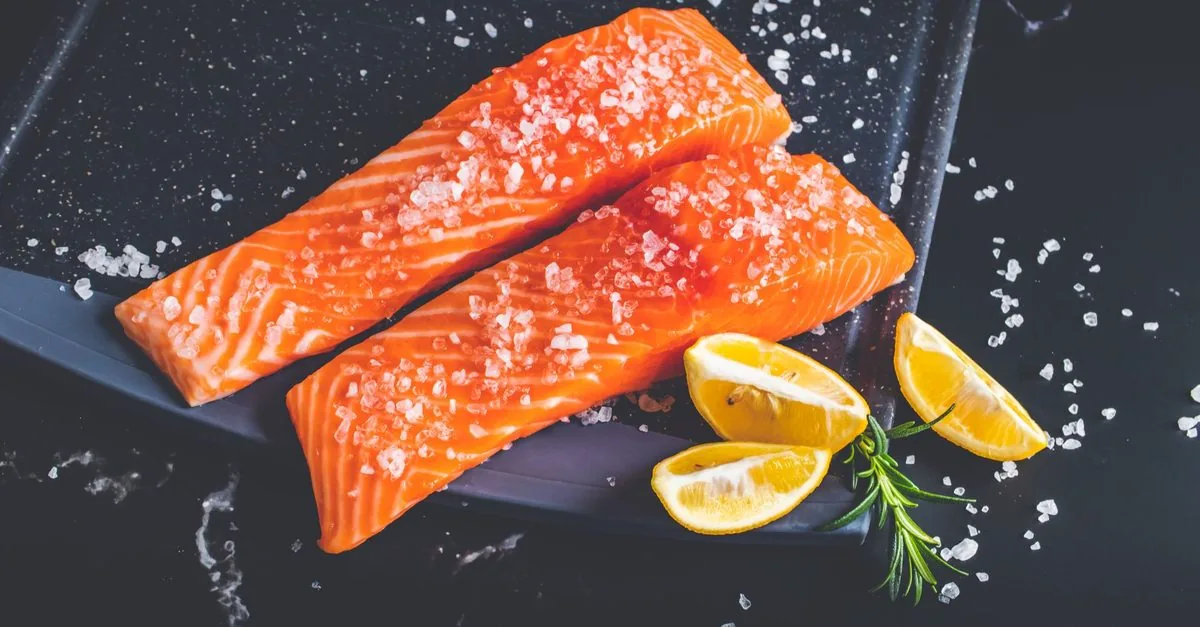
Yes, dogs can eat salmon, but only when it is thoroughly cooked and free of bones. Never feed raw salmon - it can carry parasites (Anisakis roundworms, tapeworms) and bacteria such as Salmonella and Listeria. Cooked salmon, on the other hand, is a great source of omega-3 fatty acids that support skin, coat, and joints. Serve it in moderation, with no salt or seasoning.
Salmon sounds like a luxury reward for a dog - rich, fragrant, packed with omega-3. And it genuinely can be one, but only under one hard condition: it has to be thoroughly cooked. A raw piece straight off the cutting board is not a treat, it is a risk. Here is the no-nonsense version: why cooking is non-negotiable, what salmon actually gives your dog, and how to serve it sensibly.
Why is raw salmon dangerous?
This is the most important point in the whole article, so no hedging: never feed your dog raw salmon. Raw fish means parasites (Anisakis roundworms, tapeworms) and bacteria: Salmonella and Listeria, which threaten the person preparing the meal as much as the dog.
Salmon poisoning disease is a separate matter - an infection with a bacterium carried by a fluke that lives in salmonid fish, fatal in up to 90 percent of untreated dogs. It occurs only in the Pacific Northwest of the United States. We mention it because every English-language guide to raw salmon does, but outside that region the real hazards are parasites and bacteria, and those are reason enough not to serve raw fish.
Signs usually show up several days after eating infected fish and include:
- loss of appetite and weakness
- vomiting and diarrhoea (sometimes with blood)
- fever
- swollen lymph nodes
- discharge from the eyes or nose
If your dog has eaten raw fish and you notice any of these, contact your vet without delay. The earlier treatment starts, the better the outcome.
Important: smoking, curing, and salting do not reliably remove this risk. Smoked salmon is also heavily salted, and excess salt is bad for dogs. Only one method is dependable: thorough cooking. High heat destroys both the parasites and the bacteria.
What does cooked salmon offer a dog?
Once salmon is cooked, it goes from hazard to genuinely valuable extra. It is one of the better natural sources of omega-3 fatty acids (EPA and DHA), which:
- support healthy, hydrated skin
- help maintain a shiny coat
- have anti-inflammatory effects that can benefit the joints
- support the nervous system
On top of that, salmon delivers high-quality protein. That is exactly why it shows up in many good dog foods. The crucial difference: in commercial food it is processed and safe, while at home that responsibility is yours.
Raw versus cooked - a quick comparison
| Form of salmon | Safe for dogs? | Why |
|---|---|---|
| Thoroughly cooked, boneless | Yes, in moderation | High heat destroys parasites and bacteria |
| Raw | No | Parasites and bacteria (Salmonella, Listeria) |
| Smoked / salted | No | Does not reliably remove parasites + very high salt |
| Fried in fat / seasoned | No | Excess fat and toxic add-ins (salt, onion, garlic) |
| Bones | No | Choking and gut injury risk |
How to prepare salmon for your dog
The rules are simple, but every one matters:
- Steam, poach, or bake it with no added fat, until the flesh is no longer translucent inside
- Remove every bone - even small ones can lodge or cause choking
- Add nothing - no salt, butter, onion, garlic, or seasoning; onion and garlic are toxic to dogs
- Let it cool before serving, and cut it into pieces sized to your dog
- Serve it as a topper on their bowl or a standalone reward, not the whole meal
The same rules - cooked, boneless, unseasoned - apply to other meats. If you want a lean everyday protein, see our guide to chicken for dogs. Eggs are another excellent, simpler protein option.
How much salmon is a reasonable portion?
Salmon is fairly fatty, which is why it belongs as an extra, not a staple. The 10% rule applies: all treats and add-ons together should stay under one tenth of your dog's daily calorie needs. As rough guidance:
- small dog (under 10 kg): a small bite, a few times a month
- medium dog (10-25 kg): a piece roughly the size of two or three dice
- large dog (over 25 kg): a slightly bigger portion, still occasional
Too much oily fish at once can cause an upset stomach, and regular excess fat raises the risk of pancreatitis. Less, but good quality, works best. If you are unsure whether salmon fits your dog's diet - especially with pancreatic issues or excess weight - check with your vet.
Want the full picture of what goes in the bowl? See our guide to what dogs can and cannot eat.
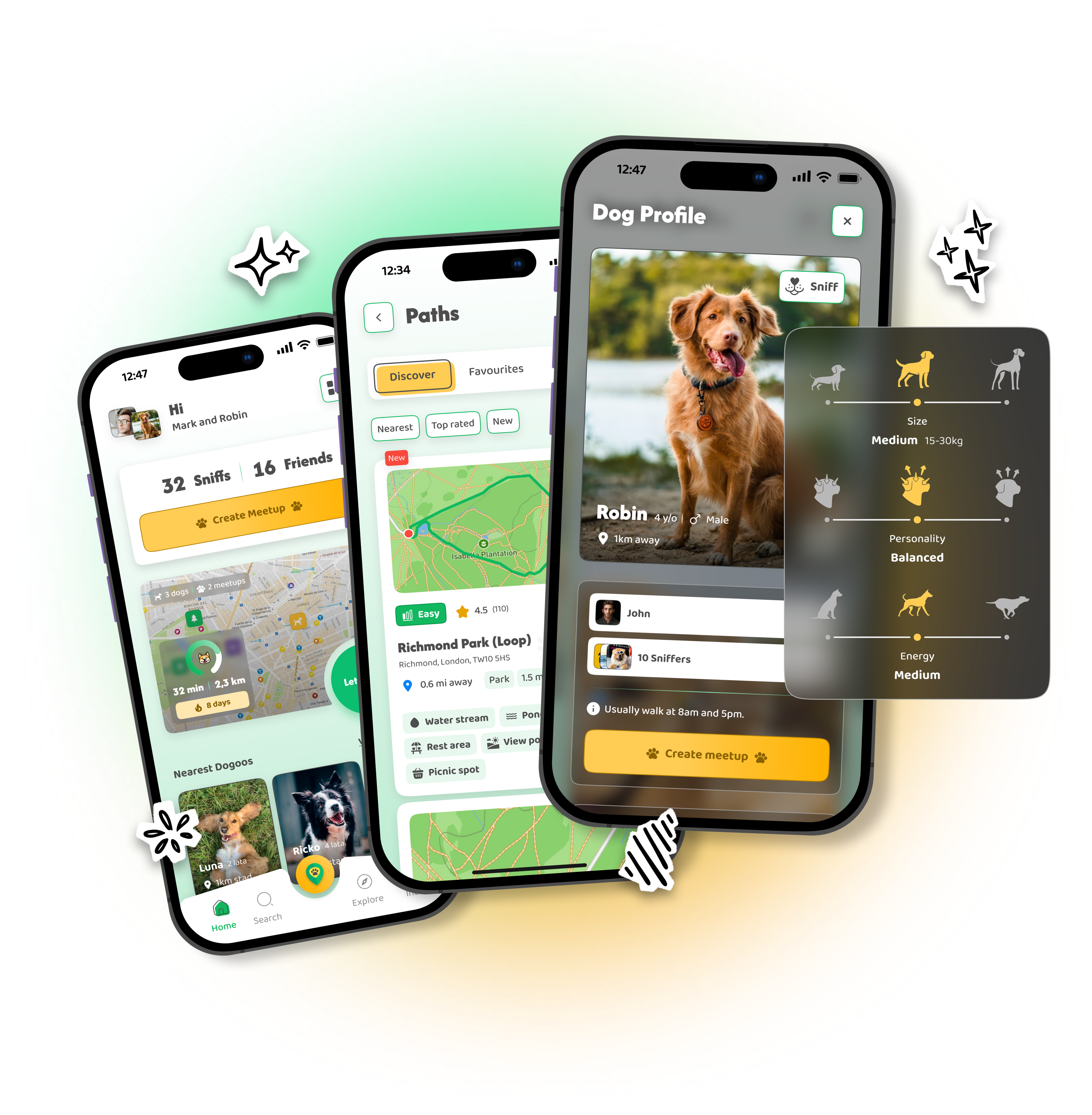
A piece of well-cooked salmon, then the part that really counts - movement. Open DOGOUT to see where dogs in your area are walking today, join a walk, or add your favourite spot to the map.
Sources
- Salmon Poisoning Disease and Elokomin Fluke Fever in Dogs - Merck Veterinary Manual
- Salmon Poisoning Disease in Dogs - Merck Veterinary Manual
- Get the Facts! Raw Pet Food Diets can be Dangerous to You and Your Pet - U.S. Food and Drug Administration
- People Foods to Avoid Feeding Your Pets - ASPCA Animal Poison Control
Frequently asked questions
- Can dogs eat raw salmon?
- No. Raw salmon can carry parasites and bacteria that are dangerous to your dog and to whoever handles the food. Always serve salmon thoroughly cooked and boneless.
- Is smoked salmon safe for dogs?
- No. Smoking, curing, or salting does not reliably remove parasites, and smoked salmon is very high in salt. Too much salt is harmful to dogs, so skip this form altogether.
- What are the benefits of salmon for dogs?
- Salmon is a good source of omega-3 fatty acids, which support healthy skin, a shiny coat, and joint mobility. It also provides high-quality protein. The form matters though - only cooked salmon delivers these benefits safely.
- How much salmon can I give my dog?
- Treat salmon as an occasional addition, not a dietary staple. All treats and extras combined should stay under 10% of daily calorie needs. Match the portion to your dog's size.
- What should I do if my dog ate raw fish?
- Watch them closely and contact your vet, especially if you see vomiting, diarrhoea, fever, weakness, or loss of appetite. Signs of salmon poisoning usually appear after several days, so do not wait to get advice.