Can Dogs Eat Cabbage? Yes - With One Big Caveat About Gas
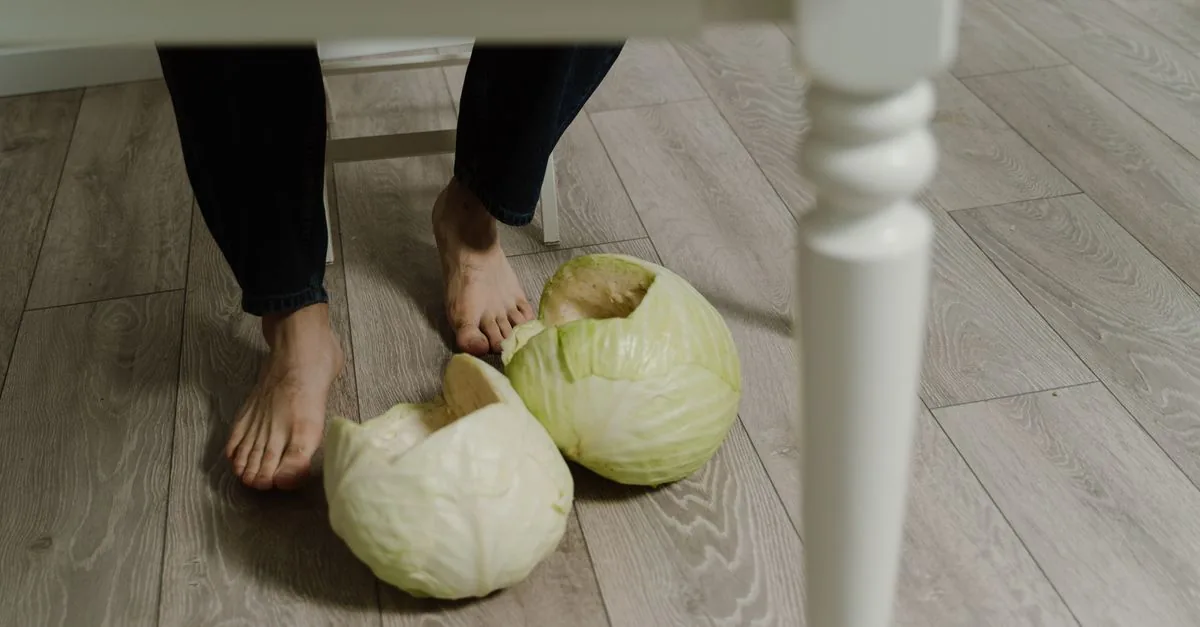
Yes, dogs can eat cabbage - it is not toxic and provides vitamins C, K, fibre, and antioxidants. Serve only small amounts of cooked, unseasoned cabbage, because raw cabbage causes significant gas. Dogs prone to bloat or with thyroid conditions should avoid it - check with your vet.
A pot of cabbage on the stove, a dog with a hopeful look - sound familiar? If you want to share a bit with the pack, go right ahead. Cabbage is one of the vegetables dogs can safely eat. There is just one thing you need to know before you hand over that leaf.
What makes cabbage good for dogs?
Cabbage is nutritious and low in calories. Both the AKC and PetMD confirm it is safe for dogs in reasonable amounts and delivers:
- vitamin C - supports immune function
- vitamin K - important for blood clotting and bone health
- fibre - promotes healthy digestion and bowel regularity
- beta-carotene - an antioxidant supporting vision and immunity
- magnesium - supports muscle and nerve function
Red cabbage contains slightly more antioxidants than green cabbage - both are safe. For dogs watching their weight, cabbage makes a great low-calorie, filling snack.
The real risk: gas and bloating
This is the reason cabbage should reach the dog's bowl only occasionally and in small amounts. Cabbage is a cruciferous vegetable (in the same family as broccoli and cauliflower) and produces a significant amount of gas during digestion. Too much cabbage causes noticeable bloating, abdominal discomfort, and - in breeds already predisposed to gastric dilatation-volvulus (GDV) - could contribute to serious complications. Breeds such as German Shepherds, Great Danes, and Labradors are among those at higher risk.
Cooked or steamed cabbage is far gentler on the digestive system than raw. If your dog is prone to gas or bloating, talk to your vet before introducing cabbage.
Cabbage and the thyroid
This one is worth setting straight. The Merck Veterinary Manual does list cabbage among goitrogenic plants - ones that can interfere with iodine metabolism - but it describes the problem in livestock (pigs, lambs, calves, foals) and notes their goitrogens are less potent than those in soybeans. Merck does not apply that mechanism to dogs. It also adds a practical detail: cooking or heating destroys the goitrogenic substance in these plants.
For balance: when Merck describes hypothyroidism in dogs, it reports that more than 95% of clinical cases come from destruction of the thyroid gland itself, most often lymphocytic thyroiditis or idiopathic atrophy. Diet is not among the listed causes. In other words, a small portion of cooked cabbage is not a threat to your dog's thyroid. If your dog is being treated for a thyroid condition, any regular addition to the diet is the treating vet's call anyway.
What about sauerkraut?
Fermented cabbage is popular and genuinely probiotic - but most store-bought sauerkraut contains 1.5-2.5% salt, which is far too much for dogs. Excess sodium stresses the kidneys, raises blood pressure, and disrupts electrolyte balance.
If you want to share the probiotic benefit, choose homemade sauerkraut made without salt, or rinse a small amount of shop-bought sauerkraut very thoroughly under cold running water. Keep the portion to a teaspoon at most.
| Form of cabbage | Safe to feed? | Notes |
|---|---|---|
| Cooked / steamed | Yes | Safest option - easy to digest, low gas |
| Raw | With caution | Significant gas, harder to digest |
| Sauerkraut - homemade, no salt | Tiny amounts only | Probiotic benefit, verify salt content |
| Sauerkraut - store-bought | No | Too much salt |
| Cabbage with onion, garlic, or spices | No | Onion and garlic are toxic to dogs |
| Fried in butter or with sauce | No | Fat and additives are harmful |
How to prepare cabbage for your dog
Three rules:
- Steam or boil - no salt, sugar, onion, garlic, or other seasoning.
- Remove the core - it is tough and hard to digest.
- Chop into small pieces - large leaf fragments are a choking risk.
Serve at room temperature as a side treat, never as the main dish.
How much is a safe serving?
All treats combined should not exceed 10% of a dog's daily calorie intake. Because of the gas risk, start even smaller than that when introducing cabbage for the first time:
| Dog size | Safe single serving |
|---|---|
| Small (up to 10 kg / 22 lb) | 1 teaspoon of cooked cabbage |
| Medium (10-25 kg / 22-55 lb) | 1 tablespoon |
| Large (over 25 kg / 55 lb) | 1-2 tablespoons |
Feed no more than 2-3 times per week. After the first serving, watch for gas, bloating, or loose stools. If they appear, cabbage is not a good fit for your dog.
Other cruciferous vegetables
Curious about the rest of the brassica family? See the articles on broccoli and cauliflower - similar nutritional profile, similar caveats. For a full overview of what is safe and what to avoid, the what dogs can and cannot eat guide covers the whole spectrum.
Cabbage shared, energy to burn. Open DOGOUT to find off-leash areas and dog-friendly spots near you - get out there and let the pack explore something new.
Sources
Frequently asked questions
- Can dogs eat raw cabbage?
- Raw cabbage is not toxic, but it produces considerably more gas than cooked cabbage and is harder to digest. If you do serve raw cabbage, keep the amount very small and watch for signs of stomach upset. Steamed or boiled is a better choice for most dogs.
- Can dogs eat sauerkraut?
- Store-bought sauerkraut is not recommended for dogs because of its high salt content - typically 1.5-2.5%, which can strain the kidneys and upset electrolyte balance. Homemade sauerkraut prepared without added salt, or shop-bought rinsed thoroughly under cold water, can be offered in tiny amounts. It is not a necessary part of a dog's diet.
- Does cabbage actually affect a dog's thyroid?
- Merck lists cabbage among goitrogenic plants, but describes the effect in livestock rather than dogs, and notes that cooking destroys the goitrogenic substance. More than 95% of canine hypothyroidism cases come from destruction of the thyroid gland itself, not from diet. A small portion of cooked cabbage is not a thyroid threat to a healthy dog.
- How much cabbage can I give my dog?
- Small dogs (up to 10 kg / 22 lb): 1 teaspoon of cooked cabbage. Medium dogs (10-25 kg / 22-55 lb): 1 tablespoon. Large dogs (over 25 kg / 55 lb): 1-2 tablespoons. Feed no more than 2-3 times per week. Cabbage should not exceed 10% of daily calorie intake.
- Which types of cabbage are safe for dogs?
- Green, red, savoy, napa cabbage, and bok choy are all considered safe in moderation. Red cabbage has a slightly higher antioxidant content. All varieties should be cooked plain - no salt, butter, onion, or garlic.
- How do I prepare cabbage for my dog?
- Steam or boil without salt, sugar, or any seasoning. Remove the tough core. Chop into small pieces suited to your dog's size. Serve cooled, as a side treat - never as a main meal. No butter, oil, or sauce.