Can Dogs Eat Bread? Plain Is OK, But Raw Dough Is a Vet Emergency
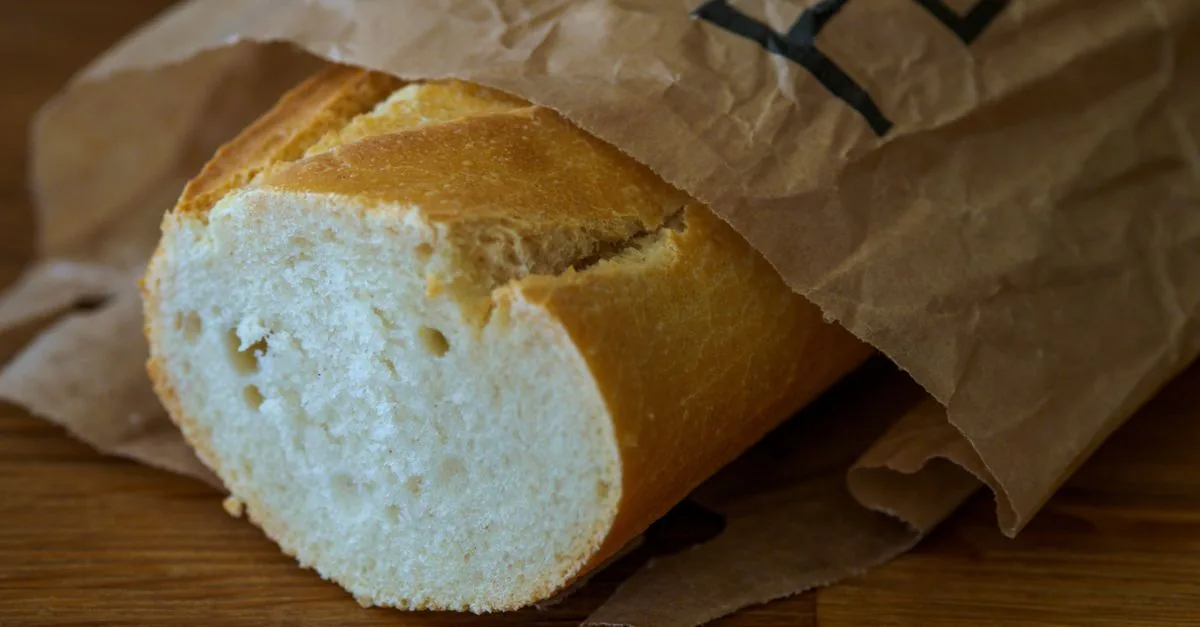
Plain white or wheat bread is not toxic to dogs, but it has no nutritional value and should only be given in small amounts as an occasional treat. Raw yeast dough is extremely dangerous - yeast continues to rise in the stomach, causing bloat, and releases ethanol, which can cause alcohol poisoning. Raisin bread is also toxic. Always check ingredients before sharing.
You are making toast and your dog is already there, chin on the counter, eyes wide. Can you hand over a corner? For plain bread - yes, in a small amount. For raw dough from the bowl on the counter - no, and act fast if they got into it.
Here is the full breakdown.
Plain bread: not toxic, but not useful either
Plain white or wheat bread does not contain anything that is poisonous to dogs. If your dog grabs a slice, you do not need to panic. However, there is an important distinction between "not harmful" and "worth giving."
Bread offers dogs essentially nothing. It is mostly refined carbohydrates with very little protein, fibre, or micronutrients. It adds calories quickly without adding nutrition. For dogs that are overweight or diabetic, even occasional bread treats can nudge the numbers in the wrong direction.
The practical rule: small piece, infrequent, plain. Think of it as neutral filler, not a healthy snack. If your dog has a sensitive stomach, skip it - bread can trigger loose stools simply because of the extra carbohydrates.
Raw yeast dough: a genuine emergency
This is the part that cannot be said gently enough. Raw yeast bread dough is extremely dangerous for dogs, and the risk is not theoretical.
When a dog eats raw yeast dough, two things happen simultaneously inside the warm stomach:
The dough continues to rise. The yeast is still alive and active. The dough expands in the stomach exactly as it would in a warm bowl, causing painful bloating and potentially dangerous pressure on surrounding organs.
Fermentation releases ethanol. As yeast consumes sugar, it produces alcohol as a by-product. That alcohol is absorbed into the bloodstream. Dogs are far more sensitive to alcohol than humans - a relatively small amount can cause alcohol poisoning.
Signs of yeast dough ingestion include:
- bloated, distended abdomen
- retching or repeated attempts to vomit without success
- weakness and disorientation
- staggering or uncoordinated movement
- rapid breathing
- collapse in severe cases
Do not wait to see if it improves. If your dog ate raw yeast dough, call your vet immediately. Time matters. The dough keeps rising until it is removed, and the alcohol keeps being absorbed.
Dangerous breads: the hidden ingredient problem
Beyond raw dough, the real risk with bread is what goes into it. Many loaves that seem perfectly normal contain ingredients that are toxic to dogs.
| Bread type | Safe? | Reason |
|---|---|---|
| Plain white or wheat bread | Small amounts only | Not toxic but no nutritional value |
| Plain wholegrain bread | Small amounts only | Not toxic; higher fibre may upset stomach |
| Plain sourdough | Small amounts only | Not toxic; acidity may upset sensitive stomachs |
| Raw yeast dough | Never | Bloat + alcohol poisoning - vet emergency |
| Raisin bread / fruit loaf | Never | Raisins are highly toxic to dogs |
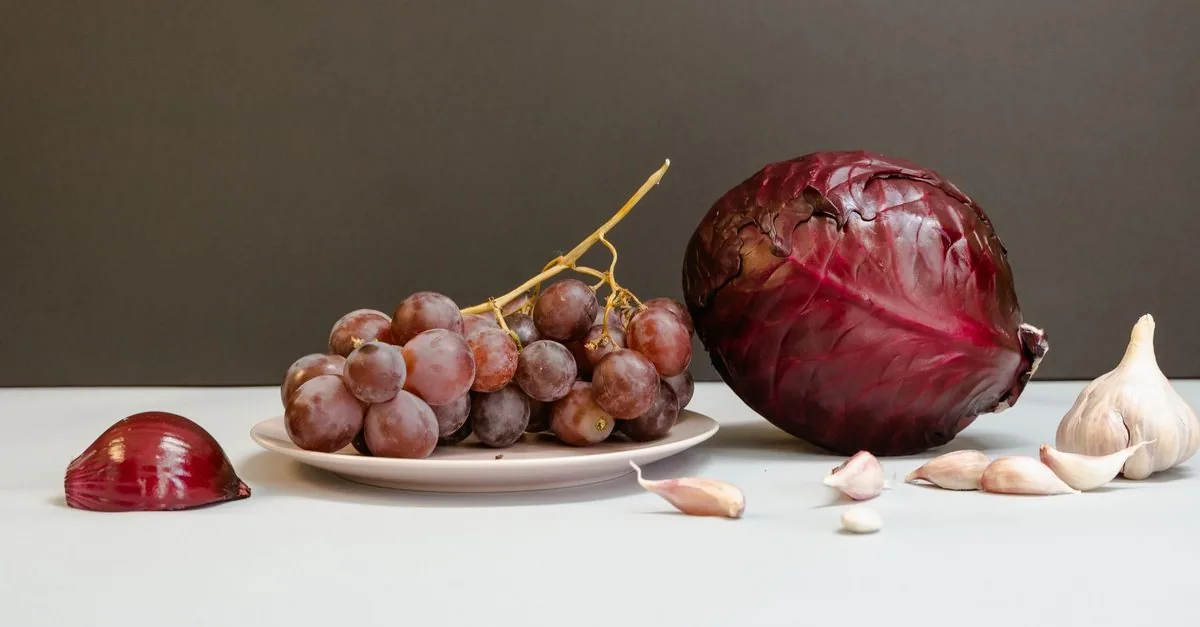
| Bread with onion or garlic | Never | Both are toxic to dogs |
| Bread with xylitol | Never | Xylitol is highly toxic - check sugar-free loaves |
| Bread with seeds (poppy, etc.) | Avoid | Some seeds are harmful in larger quantities |
| Garlic bread | Never | Garlic is toxic to dogs |
| Banana bread (homemade, no xylitol) | Tiny amount only | Not toxic if plain; high sugar content |
Xylitol deserves special attention. It is an artificial sweetener used in some commercially produced breads and baked goods marketed as "low sugar" or "diet." It is highly toxic to dogs even in small amounts - it causes a rapid drop in blood sugar and can cause liver failure. Always check the ingredient list on any specialty or commercial bread before sharing.
What if there is no plain bread around?
There usually is not a pressing reason to give a dog bread. If you want to give a treat, there are options with actual nutritional value - plain cooked chicken, a piece of carrot, a few blueberries. Bread as a food group does not add much to a dog's diet.
If your dog has eaten bread regularly and you want to cut back, the adjustment is simple: replace bread treats with something more useful. Your dog will not notice the absence.
For a complete overview of which foods are safe and which are genuinely dangerous, see our guide to what dogs can and cannot eat and the full foods toxic to dogs reference. If you share your snacks with your dog, cheese is another common one worth knowing about.
While you figure out what your dog can and cannot eat, DOGOUT can help you find the best spots to take them out after - dog-friendly parks, cafes, and walks mapped across Poland.
Sources
Frequently asked questions
- How much bread can I give my dog?
- A small piece as an occasional treat is fine for most healthy dogs. Bread is mostly empty calories - it offers little nutritional value and adds carbohydrates quickly. Treats of all kinds should stay under 10% of daily calorie intake.
- Can dogs eat wholegrain or sourdough bread?
- Plain wholegrain bread is not toxic, but the higher fibre content can cause stomach upset if given in large amounts. Plain sourdough is also not toxic, though the slight acidity and fermented nature can upset sensitive stomachs. The most important thing is to check there are no dangerous additives like raisins, onion, garlic, or xylitol.
- My dog stole raw dough - what do I do?
- This is a vet emergency. Do not wait for symptoms to appear. Call your vet immediately. Raw yeast dough expands in the warm stomach environment and releases ethanol as it ferments - both cause serious harm and can be life-threatening without prompt treatment.
- Is bread a good remedy for a dog that swallowed something sharp?
- The idea that bread can coat or cushion sharp objects in the stomach is a myth. If your dog swallowed something sharp, contact your vet immediately - bread will not protect the digestive tract and delaying treatment causes harm.
- Can puppies eat bread?
- Plain bread is not toxic to puppies, but puppies should be eating a complete, balanced puppy diet. There is no benefit to adding bread, and the extra carbohydrates are not helpful at that life stage. If you want to give a treat, there are much better options.