Can Dogs Eat Bell Peppers? Yes - Sweet Ones, Never Hot Ones
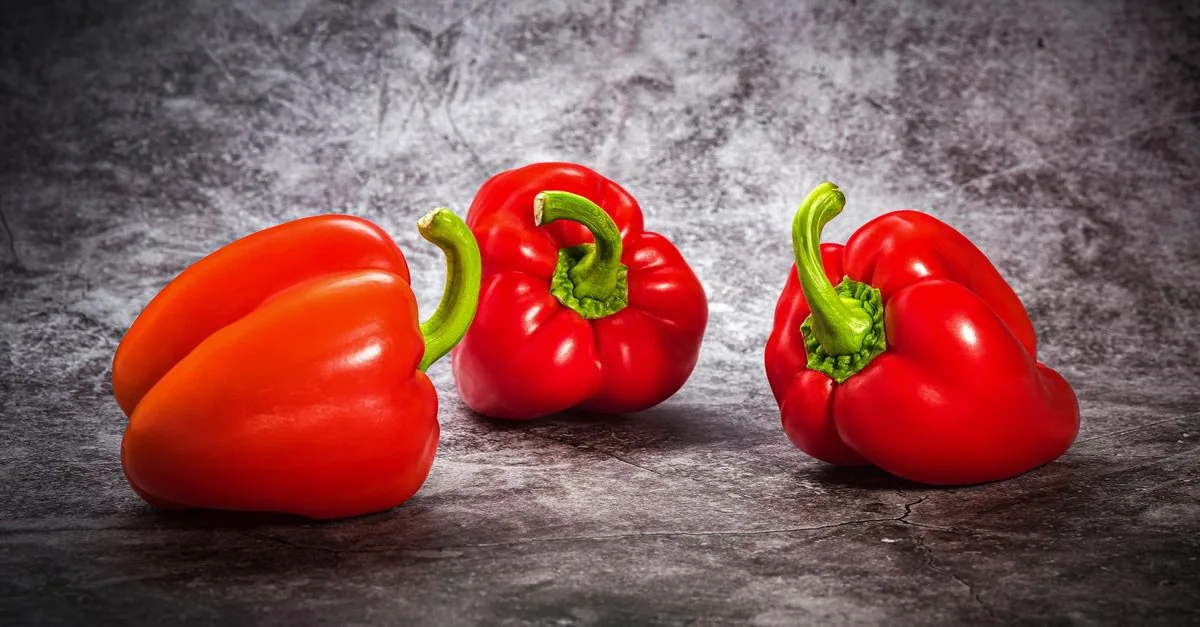
Yes, dogs can eat sweet bell peppers - red, yellow, or green - raw or cooked, in moderation. Remove the seeds, core, and stem first. Red is the most nutritious. Never give hot or chili peppers (jalapeno, cayenne) - the capsaicin irritates a dog's digestive tract.
Bell peppers live in just about every fridge, so the question comes up fast - can your dog have a piece? It can, but only if it is a sweet bell pepper. With hot peppers it is the exact opposite: not a snack, a problem. Here is the whole difference broken down properly.
Can dogs eat sweet bell peppers?
Yes. Sweet bell peppers - red, yellow, orange, and green - are safe for dogs in sensible amounts. They contain no capsaicin, the compound behind heat and burn, so they will not irritate the gut. It is a low-calorie veg with a solid hit of vitamins that can liven up the bowl or work as a crunchy reward on a walk.
What bell pepper actually gives your dog:
- vitamin C - supports the immune system and acts as an antioxidant
- vitamin A and beta-carotene - good for eyes and skin
- vitamin E and B6 - support metabolism and the nervous system
- fibre - supports digestion
- water - peppers are mostly water, so they help with hydration too
Which colour of bell pepper is best?
All the sweet colours are safe, but they are not equal in value. A bell pepper changes colour as it ripens - green is the least ripe, red the most - and that ripeness is what drives the nutrient content.
| Pepper colour | Nutritional value | Notes |
|---|---|---|
| Red | Highest - most beta-carotene, vitamins A and C | Best choice for your dog |
| Orange | High | Good alternative to red |
| Yellow | Medium | Fine in moderation |
| Green | Lowest, slightly bitter | Safe, but the least nutritious |
If you have the choice, reach for red. It gives your dog the most for the same portion.
How to serve bell pepper to your dog
Prep takes a minute and genuinely matters:
- Wash the pepper thoroughly under running water
- Remove the stem, core, and seeds - they are not toxic, but the stem is tough and hard to digest, and the seeds are bitter and usually unappealing to dogs
- Cut into small pieces sized to your dog to reduce any choking risk
- Serve raw or steam it - raw keeps the most vitamins, but cooked or steamed pepper is softer and easier to chew for a dog with a sensitive stomach
- Add nothing - no salt, oil, onion, garlic, or seasoning; those are harmful to dogs and some are outright toxic
Serve the pepper on its own, not as part of a seasoned dish off your plate. Fried peppers from the pan, peppers in sauce, or in a stew are no longer a safe snack.
Why are hot peppers off-limits?
This is the part that matters most. Never give your dog hot peppers - chili, jalapeno, cayenne, habanero, or any other spicy variety. The culprit is capsaicin, the same compound that makes your mouth burn. Your dog feels that fire the same way you do, and its digestive system reacts far more sharply.
Capsaicin irritates the entire digestive tract - esophagus, stomach, and intestines - and can trigger:
- excessive drooling and pawing at the mouth
- vomiting and diarrhea
- intense thirst
- abdominal pain and general discomfort
After an especially hot pepper, like a habanero, symptoms can drag on for a day or more. Spicy dishes also often contain onion and garlic, which are toxic to dogs. If your dog accidentally eats a hot pepper and is vomiting heavily, has blood in the stool, or is clearly distressed - contact your vet. For the full list of what to avoid, see the guide to what dogs can and cannot eat.
How much bell pepper is a safe portion?
The 10% rule applies: all treats together should stay under one tenth of your dog's daily calorie needs. For bell pepper, as a rough guide:
- small dog (under 10 kg): less than a quarter of a pepper
- medium dog (10-25 kg): about a quarter to a third of a pepper
- large dog (over 25 kg): less than half a pepper
Too large a portion, even of sweet pepper, can end in an upset stomach, vomiting, or diarrhea. Introduce it gradually and watch how your dog reacts. Looking for other crunchy, low-calorie vegetables? See the articles on cucumber and carrots - both make great walk-time snacks.
Pepper sliced, snack sorted - now move. Open DOGOUT and see where dogs in your area are walking today, and join someone before the loop around the block gets boring again.
Sources
Frequently asked questions
- Which peppers are safe for dogs?
- Only sweet bell peppers - red, yellow, orange, or green. They contain no capsaicin, so they do not irritate the stomach. Hot peppers (chili, jalapeno, cayenne) are off-limits.
- Can dogs eat red bell peppers?
- Yes, and red is the best choice. Red bell peppers have the most beta-carotene and vitamins A and C of all the colours, because they are the ripest.
- Are hot peppers dangerous for dogs?
- Yes. The capsaicin in hot peppers irritates the esophagus, stomach, and intestines, causing drooling, vomiting, diarrhea, and intense thirst. Keep your dog away from chili, jalapeno, and cayenne.
- Should bell peppers be raw or cooked for dogs?
- Both are safe. Raw keeps the most vitamins, but for a dog with a sensitive stomach or trouble chewing, lightly cooked or steamed pepper is gentler because the skin softens.
- How much bell pepper can a dog eat?
- A small dog can have less than a quarter of a pepper and a large dog less than half, as an occasional snack. Larger amounts can cause an upset stomach, vomiting, or diarrhea. Treats should stay under 10% of daily calories.