Can Dogs Eat Pineapple? Yes - Fresh and in Moderation
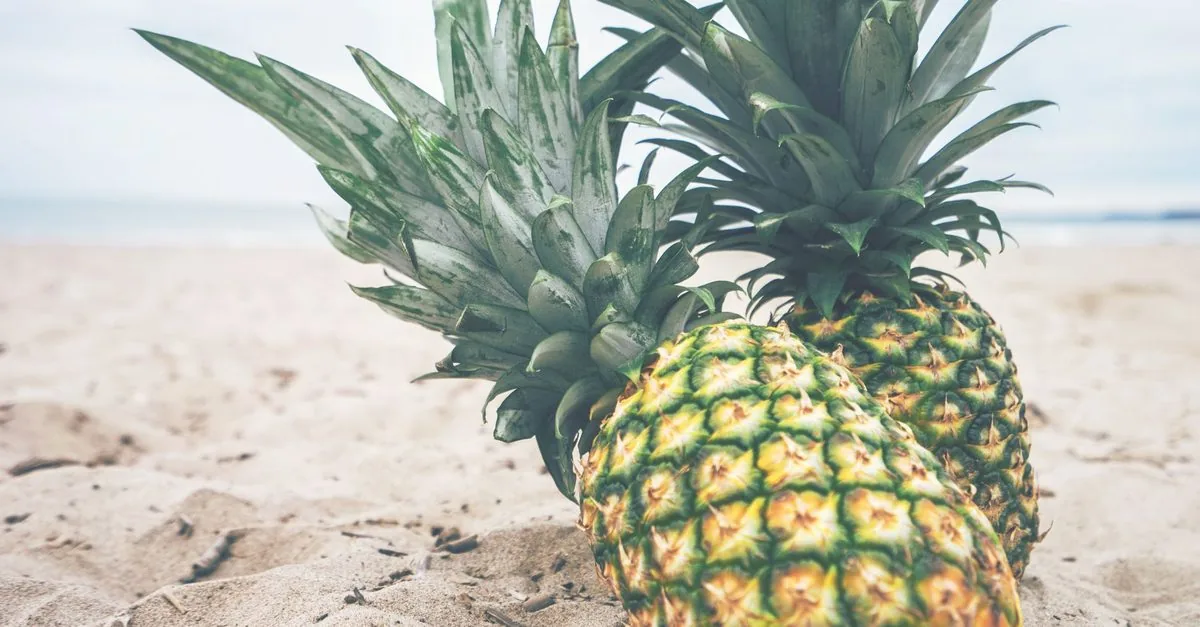
Yes, dogs can eat fresh pineapple in small amounts. Give only the soft yellow flesh - remove the spiky skin and the tough core, which are choking and blockage risks. Pineapple is high in sugar, so keep it an occasional treat. Skip canned pineapple packed in sweet syrup.
Pineapple smells like summer, and your dog will be right there the second you start cutting one. The good news: a piece of fresh, ripe pineapple will not hurt them. The catch: this is not a fruit you hand out by the bowlful. With pineapple, what matters is which part you give and how much.
What does pineapple offer a dog?
Fresh pineapple is more than a sweet snack. In a sensible amount it adds a few useful things:
- vitamin C - supports the immune system
- manganese - plays a role in metabolism and muscle function
- fibre - may gently support digestion
- water - pineapple is mostly water, so it helps with hydration on a hot day
- bromelain - a protein-digesting enzyme that, in theory, aids digestion
It reads well. The trouble is that those upsides come with one thing you have to keep in mind: sugar.
Why moderation is the key word
Pineapple is fairly high in natural sugar for a fruit - around 10 g per 100 g of flesh - and it is on the acidic side too. Too big a portion usually ends in loose stools, gas, or a sore stomach, and regularly stacking on sugar feeds weight gain.
Here is how pineapple stacks up against other fruits you might share:
| Fruit (per 100 g) | Sugar | Calories |
|---|---|---|
| Watermelon | 6 g | 30 kcal |
| Strawberries | 7 g | 32 kcal |
| Pineapple | 10 g | 50 kcal |
| Mango | 14 g | 60 kcal |
Pineapple is not the worst pick, but it clearly belongs in the "rarely and small" group. For a dog watching their weight or with a touchy stomach, treat it as a now-and-then dessert, not a daily snack.
Which parts of a pineapple can't a dog eat?
This is the most important rule with this fruit. Only the soft yellow flesh is safe. The rest is off the table:
- the spiky skin - tough, inedible, can cut the mouth and lodge in the gut
- the tough core - too hard to digest, a choking and intestinal blockage risk
- the leafy crown - fibrous and sharp, nothing there worth trying
Before you share any pineapple, peel it properly and cut out the core - the same way you prep it for yourself, just with no shortcuts.
How to serve pineapple to your dog
A few simple steps:
- Pick a ripe, fresh pineapple - an unripe one is more acidic and harder
- Peel off the skin and cut out the tough core
- Cut the flesh into small cubes sized for your dog
- Serve fresh or frozen - frozen chunks are a great cooler in summer
- Start with one piece and watch for loose stools or gas
What to avoid entirely:
- canned pineapple in syrup - that is concentrated sugar your dog does not need
- pineapple juice and drinks - usually sweetened
- pineapple cakes, desserts, and ice cream - may contain xylitol or chocolate, both toxic to dogs
- dried pineapple - sugar in a very concentrated form
How much pineapple is the right portion?
The familiar 10% rule applies - all treats combined should top out at one tenth of your dog's daily calorie needs. Rough guidance:
- small dog (under 10 kg): 1-2 small cubes
- medium dog (10-25 kg): 2-3 cubes
- large dog (over 25 kg): a few cubes
Better to give a little a few times a week than a whole bowl at once. If your dog has diabetes, is overweight, or has a sensitive stomach, clear pineapple with your vet first.
Does pineapple really stop dogs eating poop?
There is a popular tip that pineapple breaks the poop-eating habit because its bromelain changes the taste of stool. It sounds clever, but the available research does not back it up - one study found no effect at all. Eating poop usually has another root: boredom, gaps in the diet, habit, or a medical issue. Instead of betting on a fruit, look for the cause and, if needed, talk to your vet or a behaviorist.
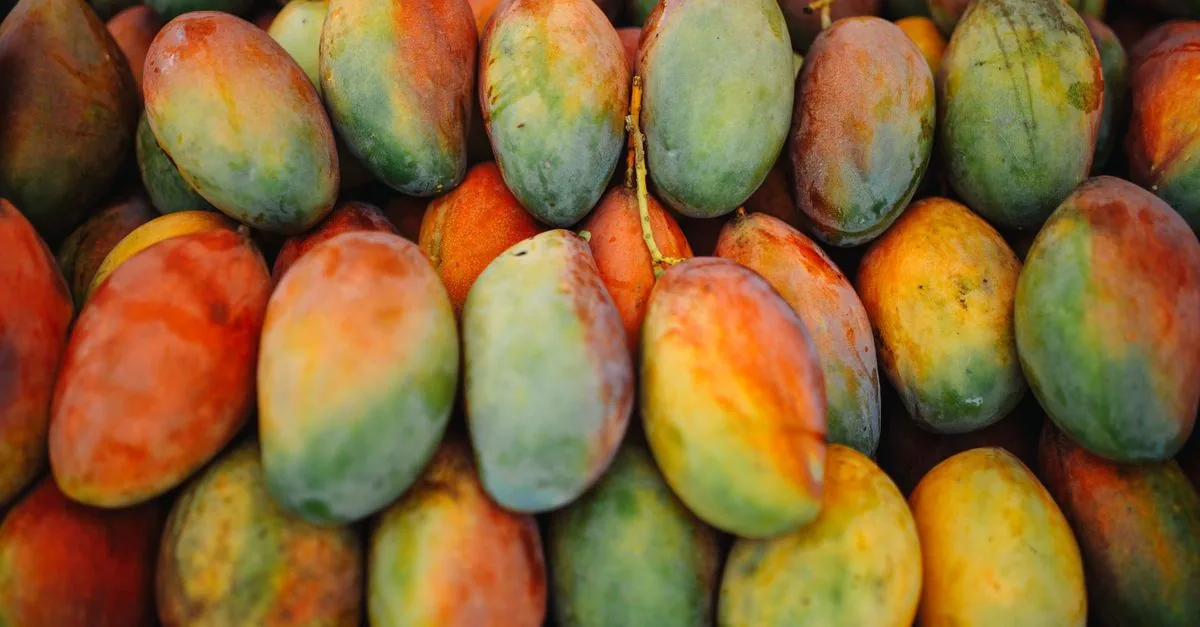
Looking for other sweet fruits to try? See the guide on mango, which like pineapple needs its hard part removed, and on bananas. For a full rundown of safe and unsafe foods, visit what dogs can and cannot eat.
One cube of pineapple to get them going, then get out there. Open DOGOUT, see where dogs in your area are exploring today, and join a walk before the route gets boring.
Sources
Frequently asked questions
- How much pineapple can a dog eat?
- A few small pieces of soft flesh are plenty. All treats combined should stay under 10% of your dog's daily calorie needs - that means 1-2 cubes for a small dog and a few for a large one.
- Can dogs eat pineapple skin and core?
- No. The spiky skin and tough core are inedible, hard to digest, and pose a choking and intestinal blockage risk. Only ever offer the soft yellow flesh.
- Can dogs eat canned pineapple?
- Better not. Canned pineapple usually sits in sweet syrup that piles on unnecessary sugar. If you do use canned, choose the kind packed in juice, not syrup, and give only a tiny portion.
- Does pineapple stop dogs eating poop?
- That is a popular myth. The bromelain in pineapple is said to change the taste of stool, but studies do not back this up. If your dog eats poop, look for the cause and talk to your vet or a behaviorist.
- Is frozen pineapple safe for dogs?
- Yes - frozen chunks of fresh pineapple (skin and core removed) make a good cooling summer treat. Avoid pre-made pineapple desserts and ice cream that may contain sweeteners or xylitol.