Can Dogs Eat Sweet Potato? Yes - Cooked and Plain
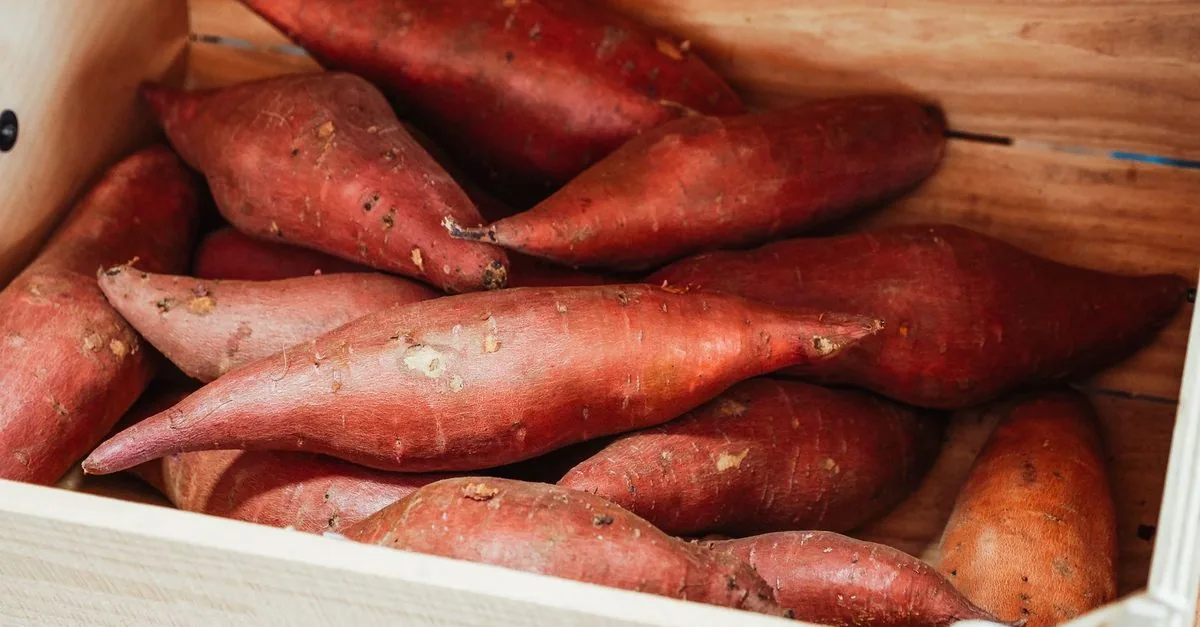
Yes, dogs can eat sweet potato, but only cooked and served plain - no sugar, butter, salt, or seasoning. It is a good source of fibre and vitamin A. Never feed raw sweet potato - it is hard to digest and poses a choking and blockage risk. Because of the carbs, treat it as an occasional addition, not a daily snack.
Sweet potato shows up in more and more dog bowls and dog foods, and for good reason - it is one of the better vegetable extras you can offer your dog. There is one important catch: it has to be cooked. Skip raw sweet potato entirely. Below is the practical rundown: what it gives your dog, how to serve it, and when to ease off.
What does sweet potato offer a dog?
Sweet potato is not empty filler. Vets and the AKC list it as a worthwhile addition to a dog's diet because it provides:
- fibre - one of the best vegetable sources, supporting digestion and regular bowel movements
- vitamin A - important for vision, skin and coat, and immune health
- vitamin C - supports the immune system
- potassium and calcium - for muscle and heart function
- antioxidants - from the beta-carotene that gives sweet potato its orange colour
That is a solid list. Sweet potato also tends to be gentler on the stomach than fatty treats, which is why some vets suggest a little plain sweet potato mash for mild digestive upsets. Remember, though - it is an extra, not a medicine.
Why you should never feed raw sweet potato
This is the key rule. Raw sweet potato is hard and genuinely difficult to digest because its starch has not been gelatinised. Only cooking or baking converts that starch into a form a dog's gut can break down. A raw chunk is not just an upset-stomach risk - it is a real choking and intestinal blockage hazard.
The rule is simple: always cooked or baked, cooled, and with nothing added.
How to serve sweet potato to your dog
A few simple steps:
- Boil or bake the sweet potato with no fat - peeled, or with the skin scrubbed clean and checked
- Add nothing - no salt, butter, sugar, honey, cinnamon, or seasoning
- Cool it and cut into pieces sized for your dog, or mash it
- Start with a small amount, especially the first time, and watch how your dog reacts
What to avoid entirely:
- sweet potato fries - deep-fried, salted, often seasoned
- sweet potato with butter, honey, or maple syrup (a common human-table topping)
- anything with garlic or onion - both are toxic to dogs and often end up on roasted veg
How much sweet potato is a sensible portion?
The 10% rule applies as with all treats - snacks and extras combined should not exceed one tenth of your dog's daily calorie needs. Rough guidance:
| Dog size | Body weight | Sweet potato (mash) |
|---|---|---|
| Small | under 10 kg | 1-2 teaspoons |
| Medium | 10-25 kg | 1-2 tablespoons |
| Large | over 25 kg | 2-3 tablespoons |
These are ballpark figures - the exact amount depends on the rest of the diet and how active your dog is. Better to give less and watch for loose stools or gas.
How to introduce sweet potato and what to watch for
Bring any new food in gradually. Even a safe vegetable can upset a dog's stomach if you serve a big portion straight away, especially for a dog used to eating only kibble. Give a little first and wait a day. If there are no loose stools, no gas, and no vomiting, you can offer a bit more next time.
Keep an eye out for:
- stool consistency - a large dose of fibre can loosen things up
- bloating and gas - a sign the portion was too big
- itchy or red skin - rare, but food allergies do happen in dogs
If anything worries you, stop the sweet potato and check with your vet.
Sweet potato in dog food - is that a good sign?
Sweet potato turns up in plenty of commercial dog foods, especially grain-free recipes, as a carbohydrate source. That is not a problem in itself - properly cooked sweet potato is digestible and nutritious. Just remember that complete food is already balanced, so if your dog is getting sweet potato from the bowl too, all the more reason to treat a separate piece as an occasional extra rather than another daily helping of carbs. The best diet for your dog is a conversation to have with your vet.
When should you ease off on sweet potato?
Sweet potato is safe, but it is still carbohydrate. Be cautious and talk to your vet if your dog:
- has diabetes - sweet potato raises blood sugar and needs careful portioning
- is overweight or on a weight-loss diet - it is extra calories
- gets sweet potato very often - too much vitamin A over time can become a problem, so keep it as an occasional extra
If you are after other vegetable extras, see our post on pumpkin for dogs, which, like sweet potato, supports digestion, and on carrots - a low-calorie, crunchy snack. For the full list of safe and unsafe foods, head to what dogs can and cannot eat.
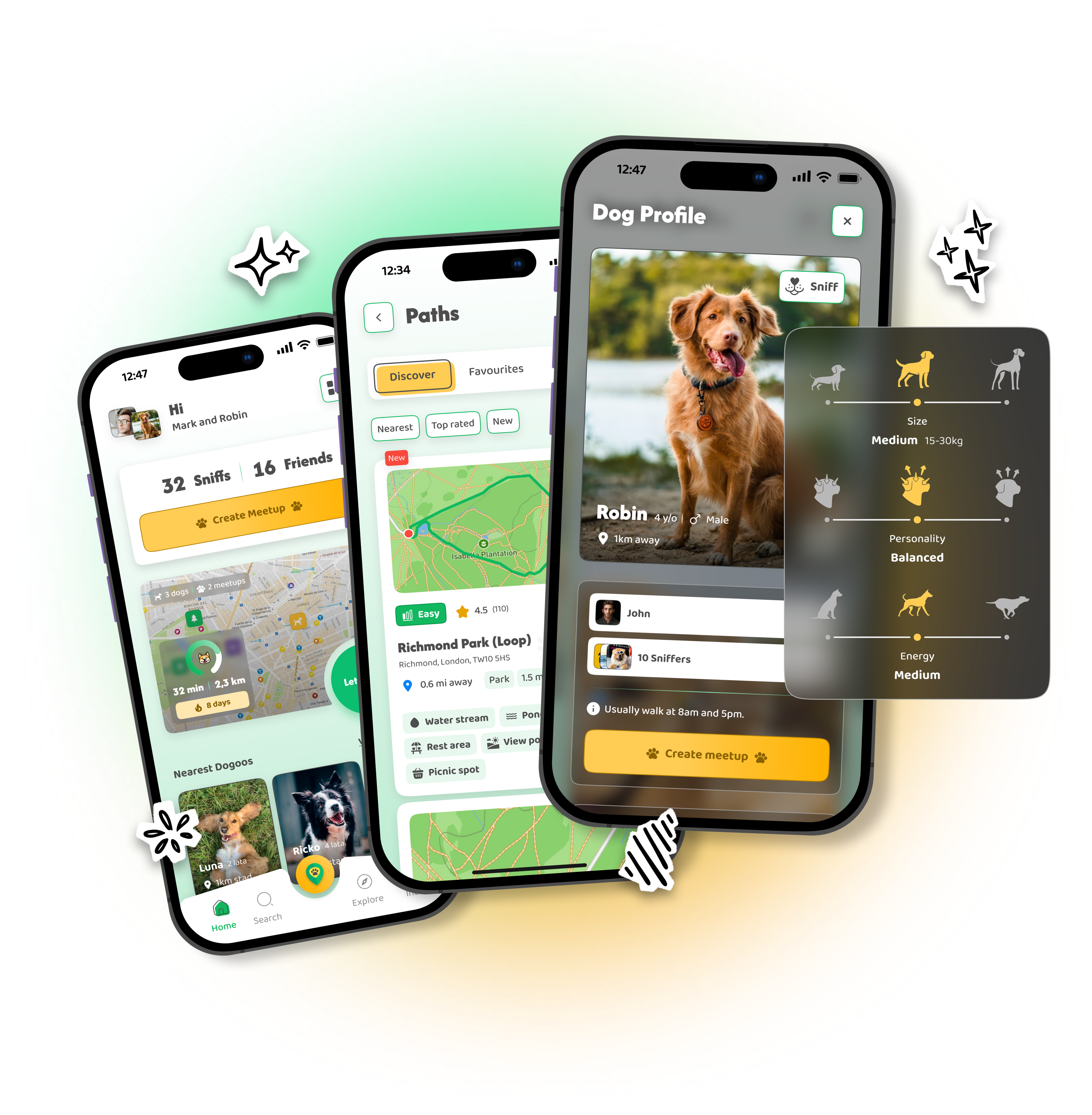
Sweet potato done, bowl empty - time to move. Open DOGOUT, see where dogs in your area are walking today, and set up a shared walk before the loop around the block gets dull again.
Sources
Frequently asked questions
- Can dogs eat raw sweet potato?
- No. Raw sweet potato is hard and difficult to digest because its starch has not been gelatinised by cooking. It is also a choking and intestinal blockage risk. Always serve sweet potato cooked or baked and cooled.
- How much sweet potato can I give my dog?
- A small amount as an extra - roughly a tablespoon of mash per 10 kg of body weight. All treats and extras combined should not exceed 10% of your dog's daily calorie intake.
- Is sweet potato good for dogs?
- In reasonable amounts, yes - it provides fibre that supports digestion, plus vitamin A, vitamin C, and antioxidants. It is still a carbohydrate extra, though, not a diet staple.
- Can a diabetic dog eat sweet potato?
- Sweet potato is high in carbohydrates, so approach it with caution for a diabetic or overweight dog. Check with your vet before adding it to the diet.
- Are sweet potato fries good for dogs?
- No. Fries are deep-fried, salted, and often seasoned, which makes them unhealthy and sometimes unsafe. Only serve plain, cooked sweet potato with no fat or seasoning.