Can Dogs Eat Honey? Yes - With a Few Important Rules
Yes, healthy adult dogs can eat honey in very small amounts. Honey is high in sugar and calories, so treat it as an occasional reward, not a daily snack. Puppies, diabetic dogs, and overweight dogs should not have it at all. When in doubt, check with your vet first.
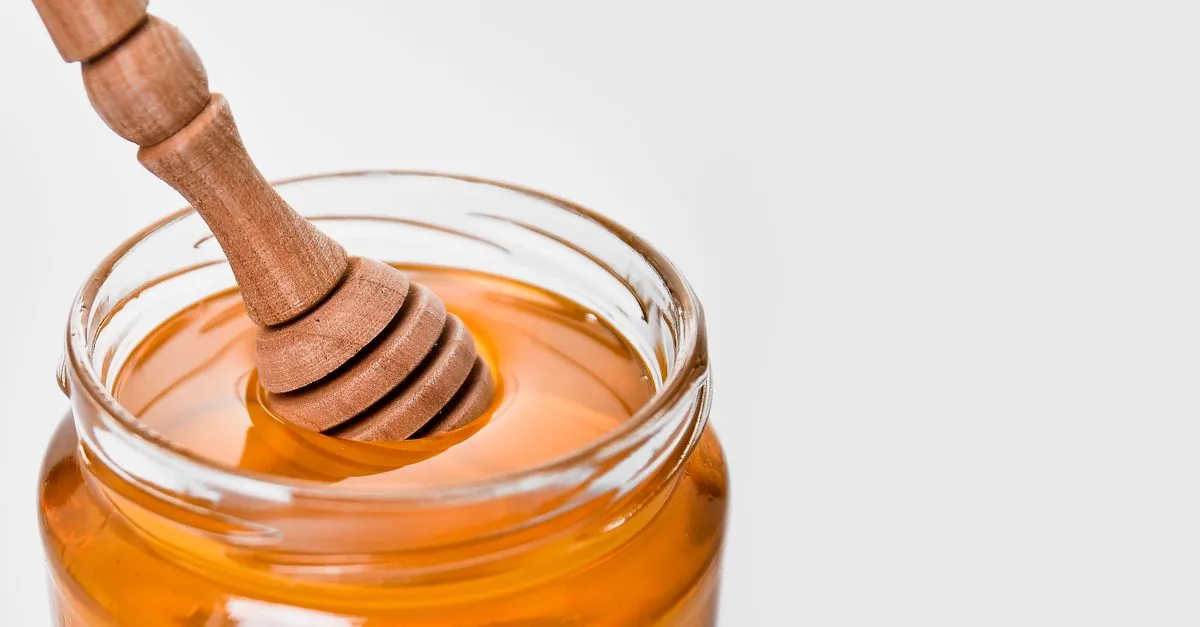
A jar of honey on the counter, the pack watching with hopeful eyes - can you share a spoonful? Yes, but honey is not a neutral snack. It is very sweet, calorie-dense, and comes with a few rules worth knowing before you hand it over.
Does honey have nutritional value for dogs?
Honey contains natural sugars (glucose and fructose), trace amounts of B vitamins, vitamin C, and minerals including calcium, magnesium, potassium, and zinc. It also carries antioxidant and antibacterial properties - especially manuka honey.
That sounds impressive, but there is a catch: the portion size safe for a dog is so small that honey will not meaningfully contribute any of those nutrients to their diet. Think of honey as an occasional pleasure, not a supplement.
When is honey off the table?
Not every dog can eat honey. Here is a clear breakdown:
| Dog | Can they have honey? | Reason |
|---|---|---|
| Healthy adult dog (over 12 months) | Yes - in small amounts | No health contraindications |
| Puppy under 12 months | No | Pure sugar with no benefit - the bowl belongs to real food |
| Dog with diabetes | No | High sugar content disrupts blood glucose |
| Overweight dog | No | Too calorie-dense |
| Dog with a compromised immune system | Ask your vet | Every extra is the treating vet's call |
Honey and puppies - where the warning actually comes from
The "no honey for little ones" warning is real, but it is a human one. The WHO advises against giving honey to infants under one year old, because Clostridium botulinum spores can germinate in an infant gut. In older children and adults, natural intestinal defences prevent that.
We found no veterinary source that transfers this warning to puppies. Merck, describing botulism in dogs, is talking about something else entirely: preformed toxin eaten along with decaying carcasses or plant material, not spores germinating in the gut. Honey does not appear in that description at all.
The practical conclusion is the same, just for an honest reason: a puppy does not need honey. It is pure sugar with no documented benefit for a dog, and a puppy's bowl belongs to food that covers the demands of growing. Skip it.
How much honey is safe for a dog?
Honey is calorie-dense (around 300 kcal per 100 g), so portions must stay small. The same 10% rule applies here as with any treat - all extras combined should not exceed one tenth of the dog's daily calorie needs.
Rough serving guide for healthy adult dogs (no more than 2-3 times per week):
- Dogs under 5 kg - up to 1/4 teaspoon
- Dogs 5-20 kg - up to 1/2 teaspoon
- Dogs over 20 kg - up to 1 teaspoon
These figures are based on guidance from PetMD and the AKC. Always ask your vet if your dog has any ongoing health conditions before adding something new.
Watch out for xylitol in honey products
Pure bee honey does not contain xylitol. However, some commercial products - honey-flavoured syrups, energy bars, flavoured spreads - may be sweetened with xylitol. Xylitol is highly toxic to dogs and can cause a rapid, dangerous drop in blood sugar as well as liver damage. Before sharing any packaged honey product with your dog, check the ingredients list carefully. Plain honey from a jar or a beekeeper carries none of this risk.
For a full list of substances that are dangerous for dogs, see foods toxic to dogs.
How to serve honey to your dog
Simple options:
- Straight from a teaspoon - most dogs will happily lick it clean
- Spread on a safe fruit or vegetable - a slice of apple (seeds removed) or a carrot stick works well
- Stirred into water as a lightly sweetened drink - useful when a dog has a mildly sore throat
Do not heat honey - high temperatures break down some of its natural properties. Serve it at room temperature, straight from the jar.
Honey for allergies and kennel cough - what does science say?
Honey is often suggested as a natural remedy for seasonal allergies or mild kennel cough. The honest answer is that the scientific evidence is weak. There are not enough well-designed studies to confirm that eaten honey relieves allergies in dogs.
Manuka honey has solid evidence for topical wound care - it genuinely inhibits bacterial growth on wounds - but for eaten allergy relief, the research simply is not there yet. If you suspect your dog has allergies, a vet visit is the right next step, not a jar of honey.
For a broader picture of what dogs can safely enjoy, see what dogs can and cannot eat and the companion piece on apples for dogs.
Can honey be harmful to dogs?
Yes - if given too often or in too large a quantity. Potential effects of too much honey include:
- Weight gain and obesity
- Tooth decay (wipe your dog's teeth gently after giving honey)
- Digestive upset - diarrhoea, vomiting, reduced appetite
- Blood sugar instability - especially risky for dogs predisposed to diabetes
If you notice any unusual symptoms after giving your dog honey, contact your vet.
Honey tasted, now get out there. Open DOGOUT to discover dog-friendly spots near you - parks, meadows, and off-leash areas where the pack can burn off energy and make new friends.
Sources
Frequently asked questions
- Is honey safe for dogs?
- Yes, for a healthy adult dog a small amount of honey is safe. It is high in sugar, so keep portions small and don't offer it every day. Dogs with diabetes, obesity, or a compromised immune system should not have honey at all.
- How much honey can I give my dog?
- A rough guide per serving: dogs under 5 kg - up to 1/4 teaspoon; dogs 5-20 kg - up to 1/2 teaspoon; dogs over 20 kg - up to 1 teaspoon. Limit to 2-3 times per week at most.
- Why can't puppies eat raw honey?
- The botulism-spore warning attached to honey comes from human infant guidance (WHO), and we found no veterinary source that transfers it to puppies - Merck describes canine botulism as poisoning by preformed toxin from carrion, not from honey. The reason to skip it is simpler: honey is pure sugar with no documented benefit for a dog, and a puppy needs food in the bowl, not sweets.
- Is manuka honey safe for dogs?
- Yes, manuka honey is safe for healthy adult dogs in the same small doses as regular honey. It has well-documented antibacterial properties and is used topically on wounds. There is no solid scientific evidence it relieves allergies when eaten, however.
- Can honey help with kennel cough in dogs?
- Honey is sometimes suggested as a home remedy to soothe a mildly irritated throat during kennel cough. It may provide temporary relief, but it is not a treatment - see a vet if the cough lasts more than a few days or is severe.
- Could a honey product contain xylitol?
- Pure bee honey does not contain xylitol. However, some commercial honey-flavoured syrups, energy bars, and spreads may be sweetened with xylitol, which is highly toxic to dogs. Always check the ingredient label before sharing any processed honey product with your dog.